

Différences entre les versions USB PD : Guide d’approvisionnement B2B 3.1 vs 3.0 vs 2.0
Différences entre les versions USB PD : Guide d’approvisionnement B2B 3.1 vs 3.0 vs 2.0
Pour les acheteurs B2B, il est essentiel de vérifier le comportement de la répartition de la puissance des chargeurs multiports. Un « chargeur multiport de 100 W » peut ne fournir que 100 W lorsqu'un seul appareil est connecté, et sa puissance chuter à 65 W + 30 W ou 45 W + 45 W lorsque plusieurs ports sont utilisés. Ce même principe s'applique à batteries externes USB-C haute puissance, où la production totale doit être intelligemment répartie entre les appareils connectés.
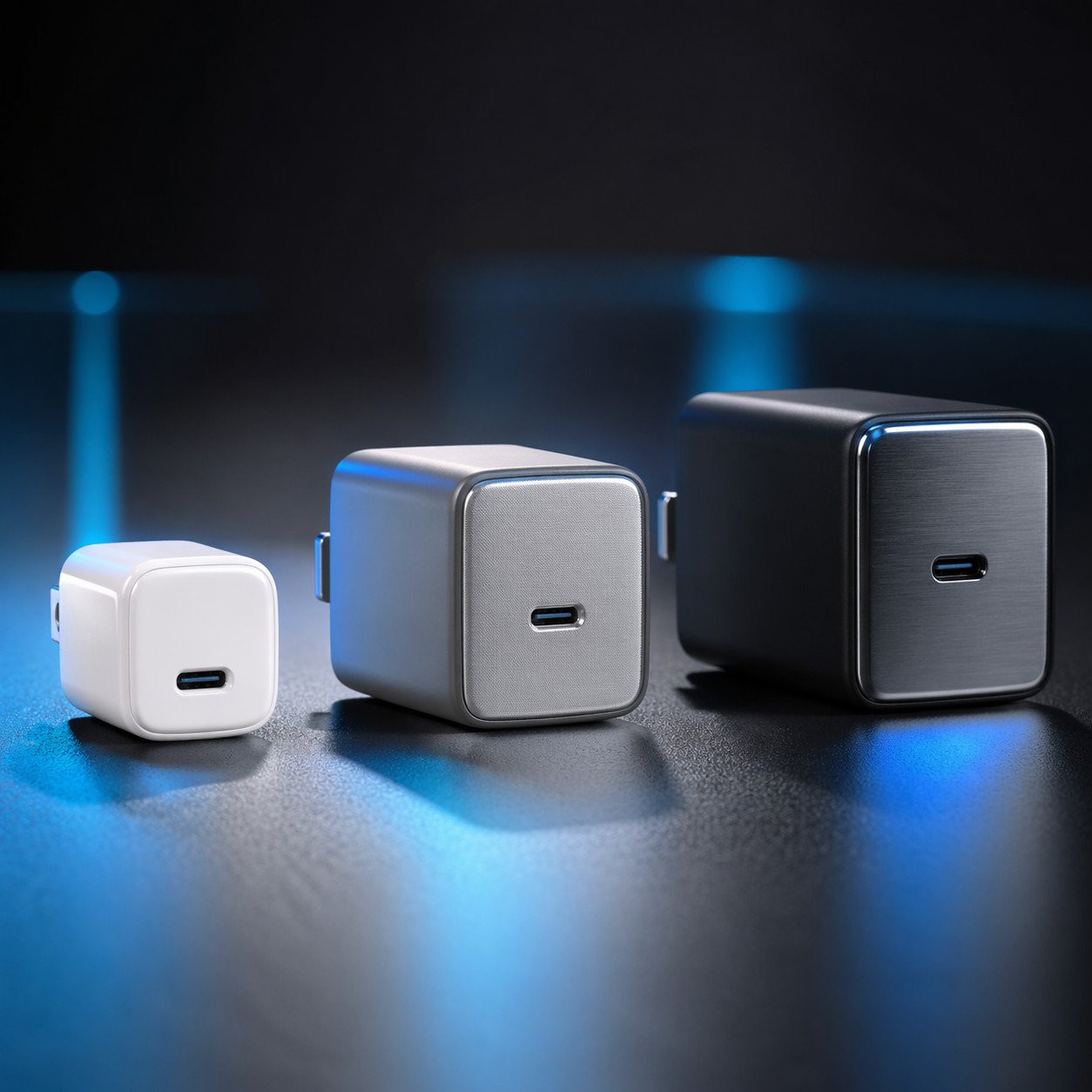
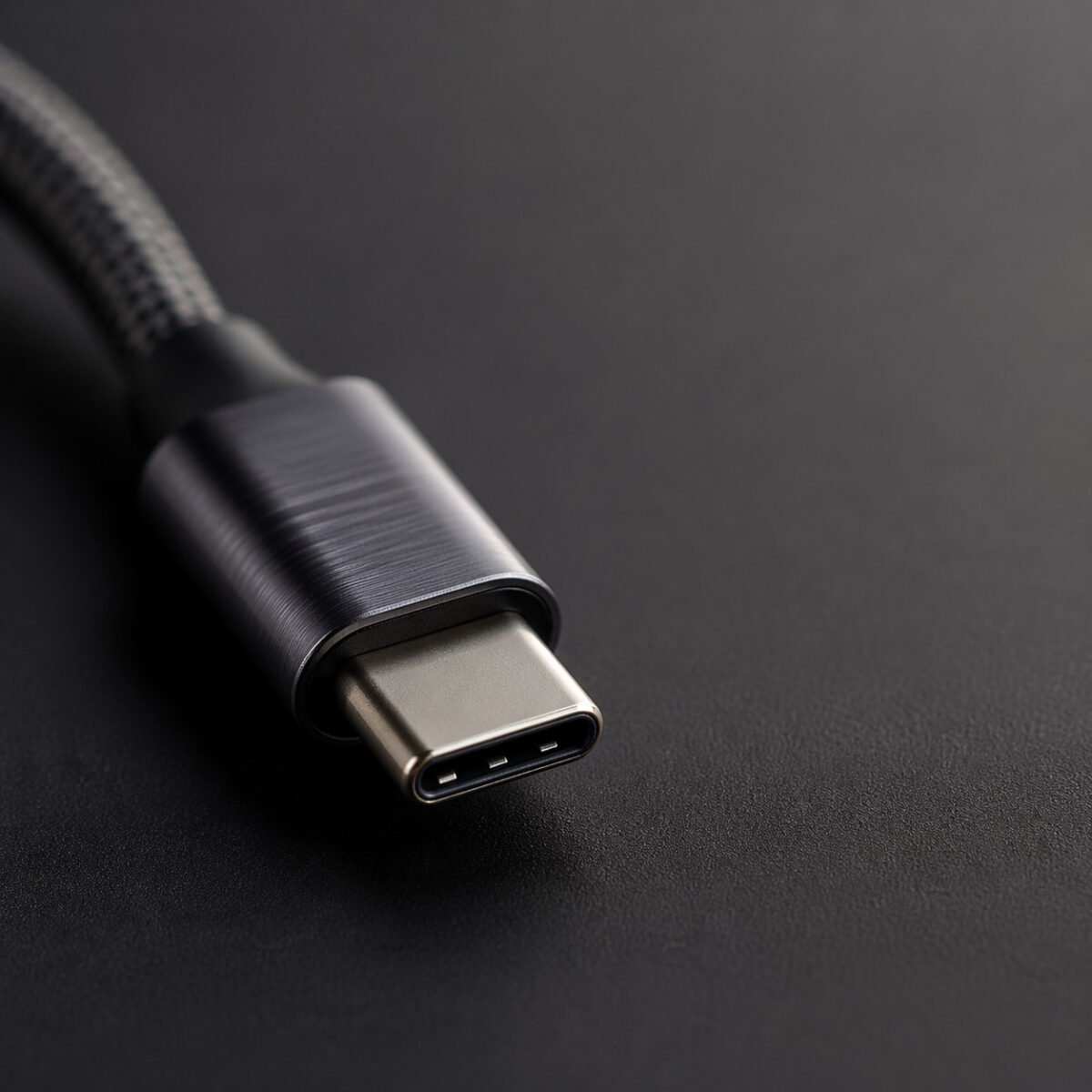
De gauche à droite : PD 2.0 (100 W fixe), PD 3.0 (100 W + PPS) et PD 3.1 (240 W EPR) — chaque génération étendant les capacités de charge USB-C.
Compréhension Différences entre les versions USB PD La compréhension des normes est essentielle pour des décisions d'approvisionnement B2B rentables. Pour les importateurs et les distributeurs évaluant les chargeurs et les câbles, les différences entre les normes PD 2.0, PD 3.0 et PD 3.1 déterminent directement le positionnement des produits. Elles définissent également les segments de marché cibles et créent un avantage concurrentiel. Ce guide complet détaille chaque distinction technique. Il aborde les limites de puissance et la régulation de tension. Il explique les exigences relatives aux câbles et leurs performances réelles. Enfin, il propose des cadres d'approvisionnement opérationnels pour les marchés mondiaux.
Table des matières
- Qu’est-ce que l’USB Power Delivery ? Comprendre les différences entre les versions d’USB PD
- USB PD 2.0 : Les fondements (2014)
- USB PD 3.0 : Recharge plus intelligente avec PPS (2015-2017)
- USB PD 3.1 : Franchir la barrière des 100 W (2021)
- PPS vs AVS : Comprendre les technologies de tension variable
- SPR vs EPR : Plages de puissance standard et étendues
- Comparaison complète des fonctionnalités : Tableau des différences entre les versions USB PD
- Performances de charge réelles par catégorie d'appareil
- Exigences relatives aux câbles : tous les câbles USB-C ne prennent pas en charge une puissance de 240 W.
- Guide d'approvisionnement B2B : Achats par type de produit
- Comment vérifier la version PD et la prise en charge PPS/EPR
- Perspectives d'avenir : PD 3.2 et tendances du secteur
- Résumé et soutien à l'approvisionnement WJWSY
1. Qu’est-ce que l’USB Power Delivery ? Comprendre les différences entre les versions d’USB PD
L'USB Power Delivery (USB PD) est un protocole de charge rapide universel. Développé par l'USB Implementers Forum (USB-IF), il fonctionne exclusivement via le connecteur USB Type-C. Contrairement aux normes plus anciennes limitées à 7,5 W, l'USB PD prend en charge différentes combinaisons de tension et de courant, négociées dynamiquement entre le chargeur et l'appareil.
1.1 Principes architecturaux fondamentaux de l'USB PD
- Augmentation de la puissance de sortieDe 0,5 W pour les petits accessoires jusqu'à 240 W pour les ordinateurs portables hautes performances
- capacité de flux de puissance bidirectionnelLes appareils peuvent échanger leurs rôles de manière dynamique : un ordinateur portable peut recharger un smartphone.
- Compatibilité universelle entre les différentes catégories d'appareilsUn seul câble permet de recharger téléphones, tablettes, ordinateurs portables et écrans.
- Négociation dynamique de puissance via la broche CCLe canal de configuration transporte la communication USB PD
- technologies de tension programmables en option: PPS et AVS permettent un réglage de la tension en temps réel
1.2 Pourquoi la version PD est importante pour les décisions d'achat B2B
Pour les importateurs et les distributeurs, les différences entre les versions USB PD déterminent directement le positionnement des produits. Elles définissent également les segments de marché cibles et créent un avantage concurrentiel. En outreLe numéro de version seul est insuffisant. Les fonctionnalités optionnelles telles que le PPS doivent être explicitement confirmées. La compatibilité EPR doit être vérifiée par des tests. Pour une compréhension plus approfondie des spécifications des câbles prenant en charge ces niveaux de puissance, veuillez consulter notre documentation. Guide des câbles USB-C vers USB-C.
Positionnement de PD 2.0 sur le marché
Cette technologie ancienne, présente dans les chargeurs d'entrée de gamme, ne prend pas en charge la charge rapide optimale des smartphones Android haut de gamme récents. Elle est dépourvue de la technologie PPS.
Positionnement de PD 3.0 sur le marché
Norme actuelle dominante. La norme PD 3.0 avec PPS est essentielle pour la charge rapide sous Android. Elle offre une efficacité supérieure entre 18 W et 100 W.
PD 3.1 Position sur le marché
Modèle haut de gamme permettant une charge de 140 à 240 W. Il est destiné aux ordinateurs portables de jeu et aux stations de travail. Son prix est plus élevé.
2. USB PD 2.0 : Les fondements (2014)
Avant tout,, pour comprendre Différences entre les versions USB PDPour commencer, il faut aborder les fondements. La norme PD 2.0 a posé ces fondements en 2014. Lancée en août de la même année en même temps que l'USB Type-C, elle a représenté une avancée majeure pour la charge USB. Avant PD 2.0, la charge USB était limitée à 5 V et 1,5 A, soit seulement 7,5 W. C'était suffisant pour les smartphones, mais totalement insuffisant pour les tablettes et les ordinateurs portables. Pour une comparaison plus détaillée des interfaces USB, consultez notre [lien vers la page d'information]. Guide d'approvisionnement B2B USB-A vs USB-C.
2.1 Spécifications techniques et capacités
- Puissance Maximale De LivraisonPuissance de 100 W atteinte avec une configuration de 20 V et 5 A
- Profils de tension fixeQuatre niveaux prédéterminés : 5 V, 9 V, 15 V et 20 V.
- Courant maximalJusqu'à 5 A, selon les capacités du câble.
- Normalisation des connecteurs: A établi l'USB Type-C comme interface exclusive
- Inversion des rôles de pouvoirLes appareils peuvent alterner entre les rôles de source et de consommateur d'énergie.
À sa sortie, la charge rapide 100 W était révolutionnaire. Elle permettait de recharger les ordinateurs portables via USB-C, remplaçant ainsi les connecteurs cylindriques propriétaires encombrants.
2.2 Limites et lacunes de PD 2.0
Malgré sa puissance maximale révolutionnaire, la norme PD 2.0 présentait des limitations importantes. La plus conséquente était la fixation des profils d'alimentation. Les appareils ne pouvaient demander que 5 V, 9 V, 15 V ou 20 V. Un ordinateur portable nécessitant 12 V n'avait pas cette possibilité et était contraint d'utiliser 15 V, ce qui entraînait des pertes de conversion et un dégagement de chaleur. En plusPD 2.0 manquait de fonctionnalités de sécurité. Il n'y avait pas d'authentification des appareils.
2.3 Pertinence B2B actuelle et considérations relatives aux stocks
À compter de 2025-2026, les produits PD 2.0 seront considérés comme obsolètes. Ils ne prennent pas en charge le PPS. Par conséquent, ils ne peuvent pas assurer une charge rapide optimale sur les appareils Samsung ou Google Pixel.
3. USB PD 3.0 : Chargement plus intelligent avec PPS (2015-2017)
S'appuyant sur les fondements posés par le PD 2.0La norme USB PD 3.0 a été initialement introduite en novembre 2015. Cependant, la fonctionnalité révolutionnaire d'alimentation programmable (PPS) n'est apparue qu'en février 2017. Alors que La puissance maximale reste fixée à 100 W, mais la norme PD 3.0 modifie fondamentalement la distribution de l'énergie. Elle passe d'une tension statique à un ajustement dynamique, permettant ainsi une adaptation aux besoins changeants de la batterie tout au long du cycle de charge.
3.1 Principales améliorations par rapport à PD 2.0
- Alimentation programmable (PPS)Réglage continu de la tension par incréments de 20 mV entre 3,3 V et 21 V
- Rapport amélioré sur l'état de la batterieCommunication plus détaillée des caractéristiques de la batterie
- Certificats numériques et authentification: Vérification de l'identité du dispositif cryptographique
- Capacité de mise à jour du firmwareLes appareils peuvent recevoir des mises à jour via le canal PD.
- Messages d'état étendusÉchange d'informations plus riche sur les capacités
Important, PD 3.0 a conservé une compatibilité ascendante totale avec les appareils PD 2.0.
3.2 Comment PPS transforme l'efficacité de la recharge
Le système PPS permet un paradigme de recharge fondamentalement différent. Plutôt que Grâce à sa technologie de conversion interne de tension fixe, le chargeur fournit précisément à la batterie la tension dont elle a besoin. Prenons l'exemple d'un smartphone chargé à 40 %. Avec la norme PD 2.0, le chargeur délivre 9 V. Le téléphone convertit cette tension en interne à environ 4,2 V, ce qui génère une perte d'énergie sous forme de chaleur et ralentit la charge pour limiter la dissipation thermique. Avec la norme PD 3.0 et la technologie PPS, le chargeur délivre directement 8,8 V, réduisant ainsi considérablement les pertes de conversion. Par conséquentL'appareil reste plus froid et se recharge plus rapidement.
- Vitesses de charge globales plus rapidesTension optimale tout au long du cycle
- Réduction de la production de chaleurUn appariement précis de la tension minimise la chaleur dissipée
- Durée de vie de la batterie prolongéeUn profil plus doux réduit les contraintes électrochimiques
3.3 Adoption du PPS dans les principaux écosystèmes d'appareils
La charge ultra-rapide 45 W de Samsung repose sur la technologie PPS. Les appareils Google Pixel utilisent également PPS pour une vitesse optimale. Xiaomi, Oppo et Motorola ont aussi adopté PPS. Les iPhone d'Apple bénéficient de PPS, mais cette technologie n'est pas indispensable pour une vitesse de charge maximale.
4. USB PD 3.1 : Franchir la barrière des 100 W (2021)
Plus significativementLa norme USB PD 3.1 a été lancée en mai 2021. Elle représente la plus importante augmentation de puissance jamais enregistrée pour la norme USB Power Delivery. La puissance de sortie maximale est passée de 100 W à 240 W, ouvrant ainsi la recharge USB-C à de toutes nouvelles catégories d'appareils. Auparavant, il était impossible d'alimenter ces appareils via USB. Pour découvrir la qualité de fabrication interne d'un câble haut de gamme, consultez notre site web. Rapport de démontage du câble Thunderbolt 3.
4.1 Architecture SPR et EPR
- Plage de puissance standard (SPR): Conserve une compatibilité descendante totale avec PD 3.0, jusqu'à 100 W
- Plage de puissance étendue (EPR)Ajoute des niveaux de tension de 28 V, 36 V et 48 V, permettant une puissance jusqu'à 240 W.
- Alimentation à tension réglable (AVS)Tension variable par paliers de 100 mV pour la gamme EPR
Le mode EPR requiert des câbles et des chargeurs certifiés. Ces derniers doivent présenter une isolation renforcée et nécessiter une programmation E-Marker spécifique.
4.2 Catégories d'appareils compatibles avec l'EPR de 240 W
- Ordinateurs portables de jeu haute performanceModèles de 16 pouces nécessitant une puissance de 140 W à 240 W
- postes de travail mobilesOrdinateurs portables professionnels avec cartes graphiques dédiées
- Moniteurs 4K et 8K: Écrans avec hubs USB intégrés
- Stations d'accueil haut de gammeStations d'accueil multiports avec alimentation complète
- Équipement professionnelOutils électriques, imprimantes 3D et vélos électriques
4.3 Exigences et certification des câbles EPR
Les câbles USB-C standard ne sont pas certifiés pour la résistance électrique externe (EPR). Même les câbles de 100 W empêchent le mode EPR. SpécifiquementLes câbles certifiés EPR nécessitent des puces E-Marker programmées pour une capacité de 48 V/5 A. Ils requièrent également une isolation électrique renforcée.
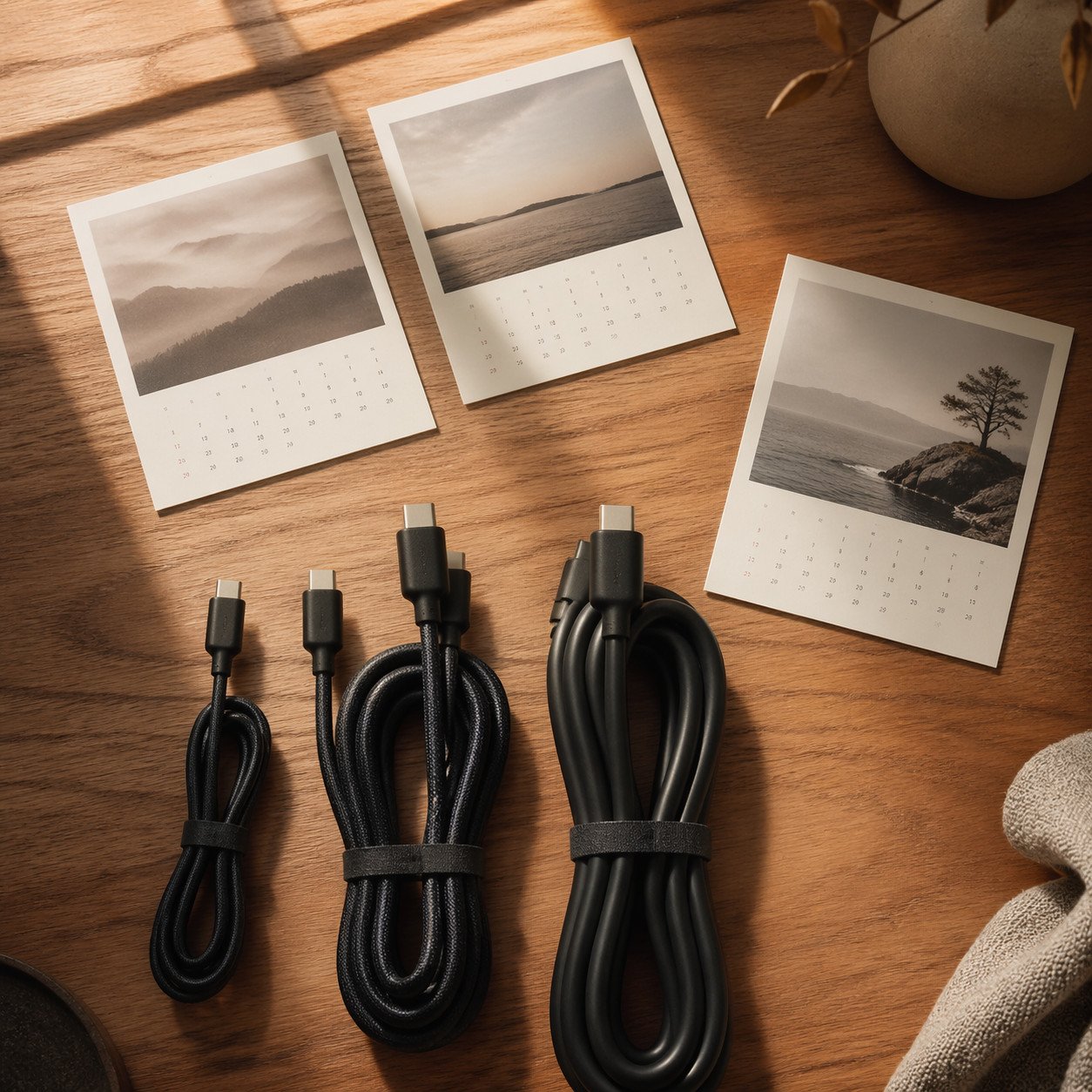
Évolution de l'USB PD : PD 2.0 (2014) a établi la base de 100 W ; PD 3.0 (2017) a ajouté le PPS ; PD 3.1 (2021) s'est étendu à 240 W.
5. PPS vs AVS : Comprendre les technologies de tension variable
Alors que Les systèmes PPS et AVS permettent tous deux un fonctionnement à tension variable et couvrent différentes plages de puissance. DoncIl est donc essentiel de comprendre leurs différences. PPS signifie « alimentation programmable ». AVS signifie « alimentation à tension réglable ». Chacune est destinée à des catégories d'appareils et des niveaux de puissance spécifiques. Pour en savoir plus sur les raisons pour lesquelles le Type-C est devenu la norme universelle, consultez notre article. Guide des avantages du câble USB Type-C.
Alimentation programmable (PPS)
- Introduit avec: PD 3.0 (2017)
- Plage de tension: 3,3 V à 21 V
- Précision de réglage: incréments de 20 mV
- Applications principalesSmartphones et tablettes
AVS (Alimentation en tension réglable)
- Introduit avec: PD 3.1 (2021)
- Plage de tension: 15V à 48V
- Précision de réglage: incréments de 100 mV
- Applications principalesOrdinateurs portables et stations de travail pour le jeu
5.1 La distinction technique : pourquoi des pas de tailles différentes ?
Le PPS utilise des incréments de 20 mV pour une charge précise des batteries à basse tension. L'AVS utilise des incréments de 100 mV pour un fonctionnement à haute tension. Les deux systèmes offrent une précision proportionnellement similaire dans leurs domaines respectifs.
5.2 Implications pratiques de la recharge selon le type d'appareil
| Catégorie De Périphérique | Technologie requise | Sans cette technologie |
|---|---|---|
| Samsung Galaxy S24 Ultra | PPS | Charge à 15-18 W au lieu de 45 W |
| Google Pixel 9 Pro | PPS | N'atteint pas la puissance nominale de 27 à 30 W. |
| MacBook Pro 16" (M3 Max) | PD 3.1 EPR | Charge limitée à 100 W |
6. SPR vs EPR : Explication des plages de puissance standard et étendue
En plus de L'augmentation de puissance, introduite par PD 3.1, repose sur une modification architecturale fondamentale : la distribution de puissance est divisée en deux plages distinctes.
| Caractéristiques | SPR (Plage de puissance standard) | EPR (plage de puissance étendue) |
|---|---|---|
| Puissance maximale | 100 W (20 V à 5 A) | 240 W (48 V à 5 A) |
| Niveaux de tension fixes | 5 V, 9 V, 15 V, 20 V | Niveaux SPR plus 28 V, 36 V, 48 V |
| Exigences en matière de câblage | USB-C standard | câble certifié EPR |
| Les applications typiques | Téléphones, tablettes, ultrabooks | ordinateurs portables de jeu, stations de travail |
6.1 Fonctionnement de la négociation de mode
La négociation initiale s'effectue en mode SPR. Si le chargeur et l'appareil prennent en charge l'EPR et qu'un câble EPR est détecté, le système bascule en mode EPR. Sinon, il reste en mode SPR avec une puissance maximale de 100 W.
6.2 Le problème du goulot d'étranglement des câbles
Un problème fréquent est celui du « goulot d'étranglement du câble ». Un client achète un chargeur de 140 W. Il utilise son câble haut de gamme de 100 W. La charge est alors limitée à 100 W. Ce câble ne possède pas la programmation E-Marker spécifique à l'EPR. Par conséquentLe système ne peut pas passer en mode EPR.
7. Comparaison complète des fonctionnalités : Tableau des différences entre les versions USB PD
| Fonctionnalité | PD 2.0 | PD 3.0 | PD 3.1 |
|---|---|---|---|
| Année de sortie | 2014 | 2015 (PPS : 2017) | 2021 |
| Puissance maximale | 100 W | 100 W | 240 W (EPR) |
| Niveaux de tension fixes | 5 V, 9 V, 15 V, 20 V | Identique à la version 2.0 | SPR : identique ; EPR : +28 V, 36 V, 48 V |
| Tension variable | Aucun | PPS : 3,3-21 V, par incréments de 20 mV | PPS + AVS : 15-48 V, par incréments de 100 mV |
| Authentification de l'appareil | Basique | Certificats numériques | Hérite de l'authentification par câble 3.0 + EPR |
| position actuelle sur le marché | Héritage/budget | Volume courant | Premium/professionnel |
| Recommandation B2B | Élimination progressive | Inventaire de base | Référence produit Premium |
8. Performances de charge réelles par catégorie d'appareil
Bien que Les spécifications constituent la base, mais les performances réelles varient considérablement. Les contraintes thermiques, la qualité des câbles et la mise en œuvre des dispositifs sont des facteurs importants.
8.1 Performances de charge rapide des smartphones
| Appareil | Chargeur PD 2.0 | PD 3.0 avec PPS | Temps de 0 à 50 % (PPS) |
|---|---|---|---|
| Samsung Galaxy S24 Ultra | 15W (lent) | 45W Super Rapide | ~20 minutes |
| Google Pixel 9 Pro | 15W | 27W-30W | ~30 minutes |
| iPhone 16 Pro Max | 20W | 20W-27W | ~30 minutes |
8.2 Performances de charge des ordinateurs portables
| Appareil | Puissance maximale USB-C | Version PD requise |
|---|---|---|
| MacBook Air 15" (M3) | 70W | PD 3.0 SPR |
| MacBook Pro 14" (M3 Pro) | 96W | PD 3.0 SPR |
| MacBook Pro 16" (M3 Max) | 140 W | PD 3.1 EPR |
| ASUS ROG Zephyrus G16 | 240 W | PD 3.1 EPR |
9. Exigences relatives aux câbles : tous les câbles USB-C ne supportent pas une puissance de 240 W.
En outre, une compréhension approfondie des caractéristiques des câbles est essentielle. SpécifiquementLe câble participe activement à la négociation de la puissance. Il impose des limites strictes à la puissance maximale délivrée. Pour les acheteurs B2B, l'approvisionnement Câbles USB-C certifiés EPR La programmation E-Marker vérifiée est essentielle pour garantir la compatibilité avec les chargeurs PD 3.1. Pour une comparaison des types de connecteurs, y compris l'interface propriétaire d'Apple, consultez notre Guide des différences entre les connecteurs Lightning.
9.1 Hiérarchie des puissances admissibles des câbles USB-C
| Type de câble | Marqueur électronique | Courant maximal | Puissance maximale | Compatible avec l'EPR ? |
|---|---|---|---|---|
| USB-C de base (charge uniquement) | Aucun | 3A | 60W | Non |
| USB-C 5A (puissance nominale de 100W) | Requis | 5A | 100 W | Non |
| USB-C EPR (puissance nominale de 240 W) | Obligatoire (EPR) | 5A | 240 W | Oui |
9.2 Identification des câbles compatibles EPR
Les câbles certifiés EPR sont commercialisés avec une mention explicite de 240 W. Un examen visuel révèle la présence du marquage « 240 W ». CependantLa méthode définitive consiste à lire les données E-Marker avec un wattmètre USB-C.
10. Guide d'approvisionnement B2B : Achats par type de produit
Avec une compréhension claire de Différences entre les versions USB PD Une fois ces étapes franchies, nous pouvons nous pencher sur l'approvisionnement. Pour obtenir des conseils sur les exigences de certification, veuillez consulter notre Guide de certification USB-IF vs MFiLors de l'approvisionnement chargeurs GaN PD multiports, vérifiez que chaque port prend en charge le PPS indépendamment pour des performances de charge rapide Android optimales. D'après cette analyseLes recommandations suivantes constituent un cadre de référence. Elles couvrent les catégories de chargeurs et de câbles et s'adressent à différents segments de marché.
10.1 Recommandations concernant l'approvisionnement en chargeurs
| Catégorie de chargeurs | Version cible PD | Exigences clés |
|---|---|---|
| Port unique 20W-30W | PD 3.0 avec PPS | Assistance PPS vérifiée |
| Port unique 45W-65W | PD 3.0 avec PPS | Alimentation secteur pour Samsung 45W |
| Convertisseur GaN multiport 65W-100W | PD 3.0 PPS | Allocation dynamique de puissance |
| 140W-240W | PD 3.1 EPR | Certification EPR ; câble EPR inclus |
10.2 Liste de contrôle de vérification B2B
- Vérifiez la compatibilité PPS avec un wattmètre USB-C
- Lire les données E-Marker pour tous les câbles 5A et EPR
- Vérifier l'état de la certification USB-IF
- Tester avec des appareils réels
- Documentation de cohérence des lots demandée
10.3 Composition recommandée des stocks (2025-2026)
- PD 3.0 avec PPS vérifié: 65 à 70 % du stock de chargeurs
- PD 3.1 EPR (140W-240W): 15 à 20 % du stock de chargeurs
- Version de base/PD 2.0 héritée: 5-10% (budget uniquement)
- câbles certifiés EPR: Aligner avec les quantités de chargeurs EPR
Pour la fabrication OEM et en gros de câbles USB-C conformes à ces spécifications, veuillez consulter notre site web. fabricant de câbles de données USB-C page. À explorer Stock de chargeurs USB-C en vrac Pour découvrir les options PD 3.0 PPS et PD 3.1 EPR, consultez notre catalogue de chargeurs en gros.
11. Perspectives d'avenir : PD 3.2 et tendances du secteur
Perspectives d'avenirLa norme USB PD 3.2 a été lancée en octobre 2024. Elle introduit la fonctionnalité AVS pour la plage d'alimentation standard, comblant ainsi l'écart entre PPS et AVS. L'adoption de cette norme est en cours. chargeurs GaN compacts haute puissance Cette évolution se poursuit et s'accélère, permettant des formats plus compacts pour des conceptions multiports de plus de 100 W, ce qui était auparavant impossible avec les semi-conducteurs à base de silicium.
11.1 Principales tendances du secteur
- Adoption des semi-conducteurs GaNDes chargeurs haute puissance plus petits et plus efficaces
- expansion de l'écosystème EPROrdinateurs portables de jeu adoptant la norme PD 3.1 EPR
- Alignement avec la directive européenne sur les chargeurs communsUSB PD comme norme de charge rapide harmonisée
- Au-delà de l'électronique grand publicOutils électriques et équipements industriels adoptant l'USB PD
12. Résumé : Sélection de la version USB PD pour les acheteurs B2B
Ce Différences entre les versions USB PD Ce guide aborde tous les aspects. Nous avons examiné les limites de puissance, exploré la régulation de tension, détaillé les exigences en matière de câblage et analysé les performances réelles. En conclusionLes points clés suivants devraient guider votre stratégie d'approvisionnement.
Distinctions techniques fondamentales
- PD 2.0 (2014)Profilés fixes de 100 W. Technologie ancienne sans PPS. À éviter pour les nouveaux stocks.
- PD 3.0 (2015-2017)100 W avec PPS en option. Indispensable pour la charge rapide Android. Composants de base.
- PD 3.1 (2021)240 W avec EPR. Indispensable pour les ordinateurs portables de jeu. Un atout majeur.
Exigences de vérification critiques
- « PD 3.0 » ne garantit pas le PPS ; vérifiez par des tests.
- La norme « PD 3.1 » ne garantit pas la résistance aux effets néfastes (EPR) ; de nombreux produits ne sont conformes qu’à la norme SPR.
- Le mode EPR nécessite des câbles certifiés EPR
- La certification USB-IF fournit une validation indépendante
Vous avez besoin de chargeurs et de câbles USB PD avec des spécifications vérifiées ?
WJWSY propose des services de fabrication OEM et de vente en gros de chargeurs, de batteries externes et de câbles USB-C compatibles avec les spécifications PD 3.0 PPS et PD 3.1 EPR. Tous les produits sont soumis à des tests de vérification afin de garantir leurs performances annoncées, et une documentation de certification USB-IF est disponible.
Explorer les capacités de fabrication Demande d'échantillons et de spécifications
Pour consulter les spécifications officielles de l'USB Power Delivery, rendez-vous sur le site web de l'USB Power Delivery. Page USB-IF sur l'alimentation USBPour plus d'informations sur la réglementation de l'UE, veuillez consulter le Programme de conformité UE USB-IF.
Pour consulter les guides techniques associés, veuillez lire notre Guide complet du câble USB-C vers USB-C ou notre Guide des avantages du câble USB Type-CPour comprendre nos normes de fabrication, consultez notre assurance qualité et certification page.