

Product Selection Tool: Requirements to Recommended Product
2026-09-18
OEM Electronics Product Development Process
2026-09-18
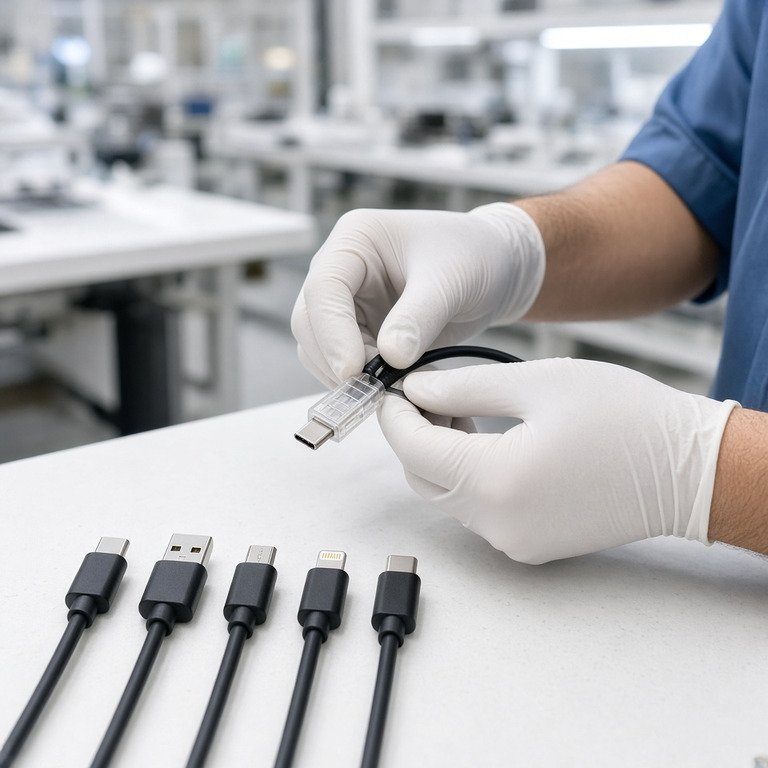
Prototype to Mass Production Process
Prototype to Mass Production Process
A typical stage-by-stage overview of how a custom cable project can progress from an initial sample to volume manufacturing.
1. Development Stages
Bringing a new product to market is a structured journey. Rather than a single giant leap, the process is divided into distinct stages, each with a clear purpose and a review point. This staged approach helps identify issues early, keeps communication transparent, and reduces surprises before volume production begins.
Each stage is reviewed against the relevant specifications, samples, test results, and approval requirements before the project moves forward.
- Prototype Initial design and feasibility review
- Engineering Sample Functional validation of the intended production design
- Pilot Production Process and small-batch validation
- La Production De Masse Volume manufacturing
1.1 Prototype
The prototype is the first physical representation of a design concept. At this stage the goal is to confirm the overall idea, form, and fundamental feasibility rather than to perfect every detail. A prototype confirms that the core design direction is workable before committing time and money to further refinement.

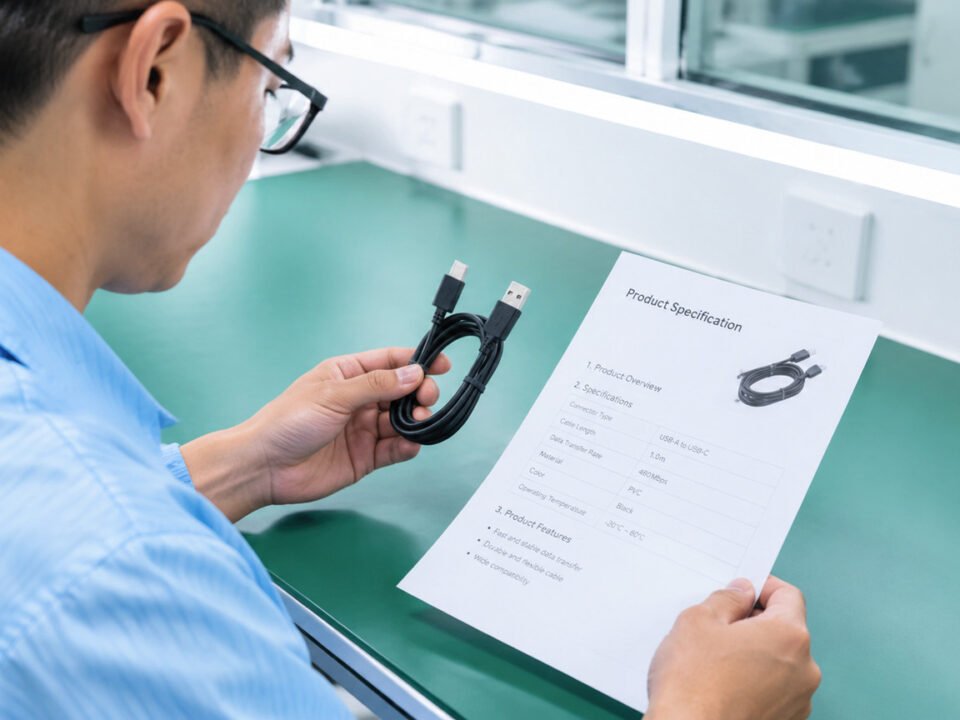
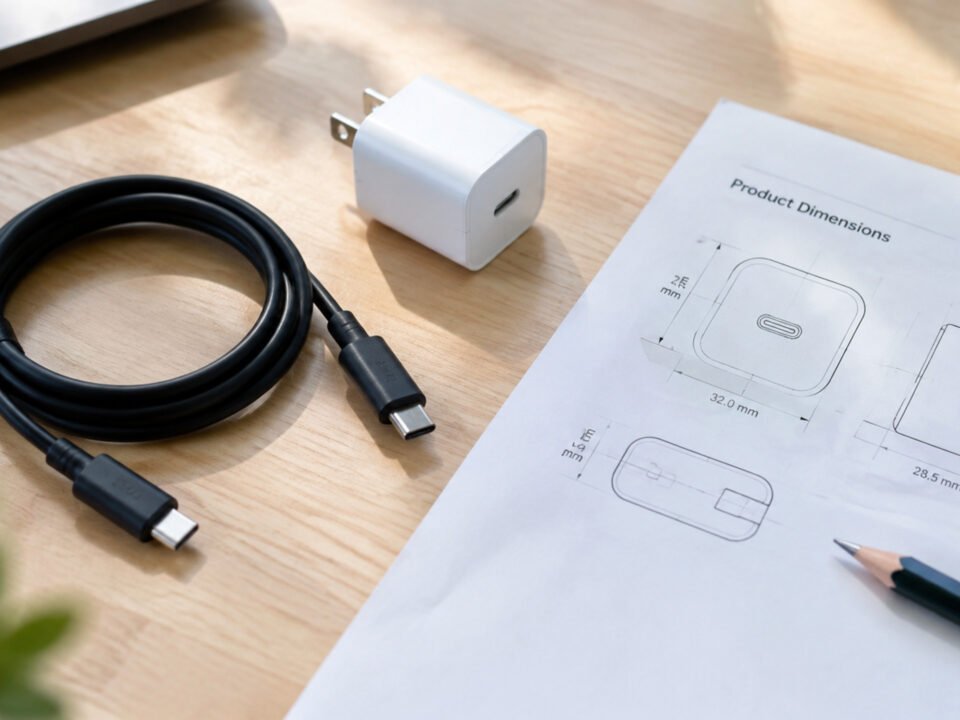
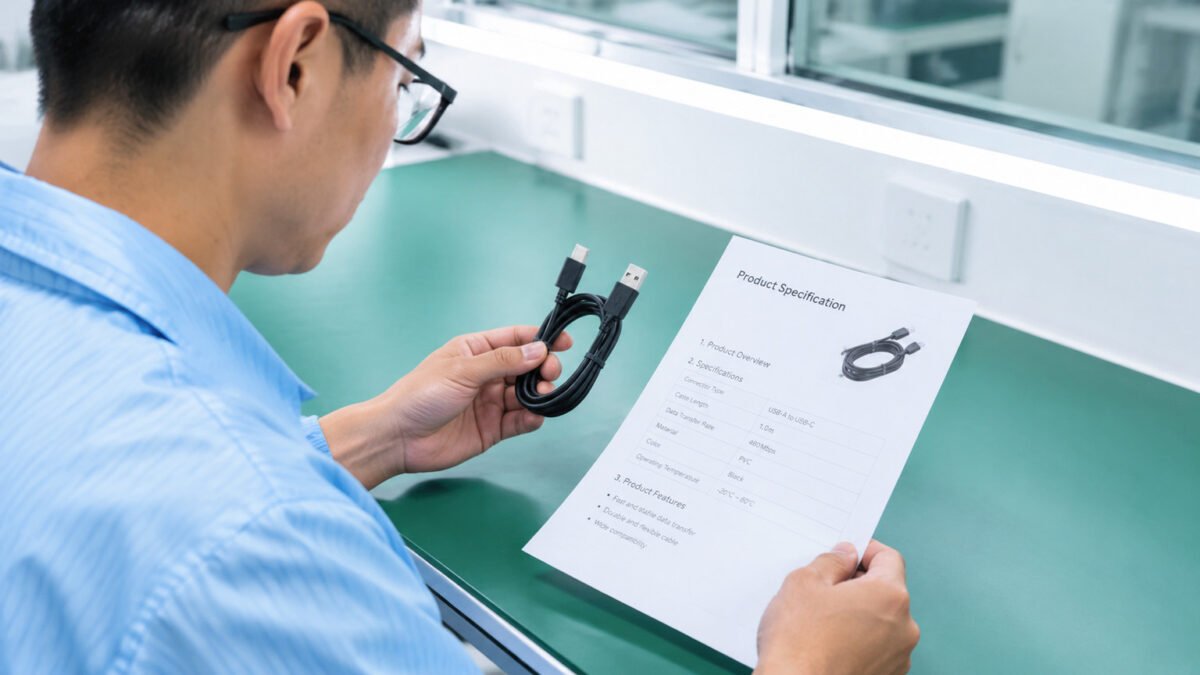
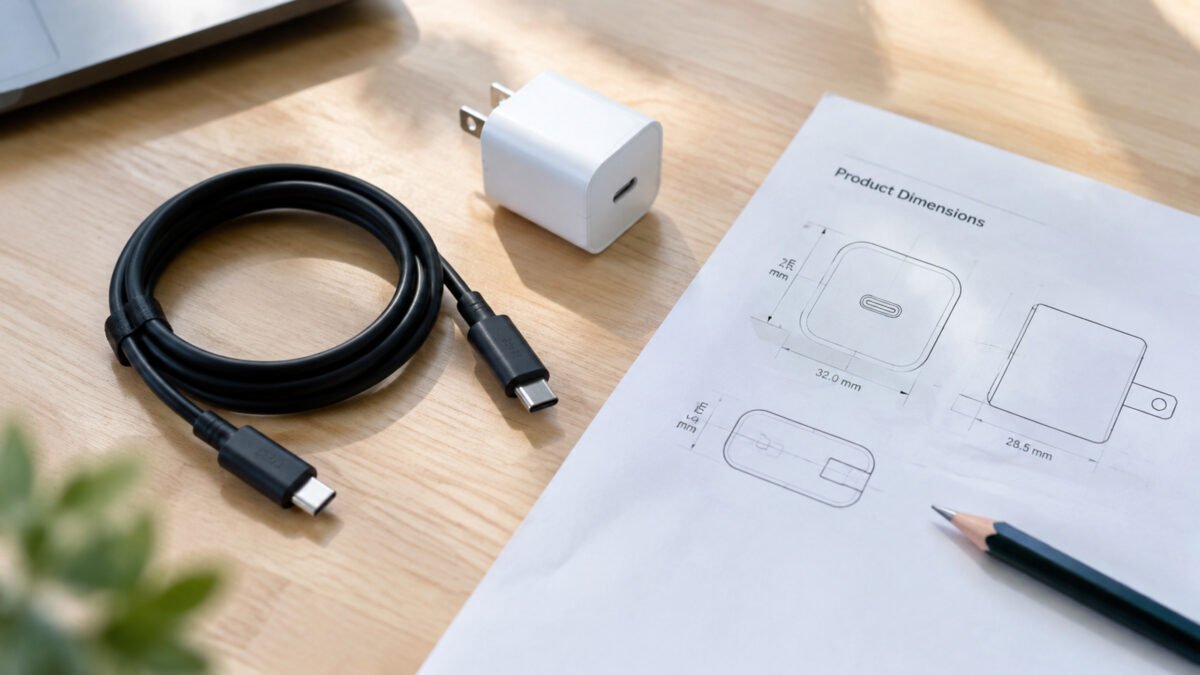
For cable projects, the review may cover connector configuration, cable length, power and data requirements, conductor and shielding construction, jacket material, bend-radius or flex-life requirements, environmental conditions, and packaging specifications, depending on the project.
- Visual and dimensional confirmation — of the intended design
- Initial fit check — of components and connector layouts
- Identification of obvious design or compatibility constraints
- Early alignment — between the customer’s expectations and the actual physical result
Prototype feedback is frequently iterative. Revisions at this stage are comparatively inexpensive, which is why conducting a thorough review here saves considerable effort later in the cycle.
1.2 Engineering Sample
Once the concept is accepted, the design moves to the engineering sample stage. An engineering sample is a more complete build that closely reflects the intended production design. The focus shifts from “does the idea work” to “does the functional specification hold in practice.”
What is confirmed at the engineering sample stage:
- Functional performance — against the agreed specification
- Electrical performance — and, where required, signal integrity against the agreed test method
- Mechanical durability — and connector retention against defined requirements
- Compatibility testing — where required, with agreed representative host and device combinations

This is the stage where the customer can evaluate the product with real-world usage in mind. Performance data collected here supports final adjustments and production release. The timing of tooling and process setup depends on the product design and project requirements.
1.3 Pilot Production
Pilot production is a small-batch run that validates the manufacturing process, assembly methods, and any project-specific tooling under near-production conditions. The purpose is to confirm that the product can be reproduced consistently while meeting the agreed quality and yield criteria, rather than being successfully built only as a one-off sample.
Objectives of the pilot run:
- Verify project-specific tooling, molds, and fixtures — where applicable
- Confirm process parameters and assembly sequences — are stable
- Identify efficiency and defect trends — before full-scale output
- Produce pilot units — for customer review and approval where required by the project

Issues that affect the agreed requirements are addressed before production ramp-up. Any approved deviations or design changes are documented before release.
1.4 Mass Production
When a pilot run is required, the product may proceed to volume manufacturing after the pilot results meet the agreed criteria. Projects without a separate pilot run follow the agreed production-release process. This stage is about delivering consistent, repeatable output at the agreed volume and schedule. Approved tooling and fixtures where applicable, documented procedures, trained operators, and controlled material specifications and supply support repeatable manufacturing.
What defines the production stage:
- Volume manufacturing — against the confirmed specification
- Consistent process control — across production lots
- In-line checks — at defined control points and final quality checks according to the agreed inspection plan
- Structured communication — for order status and updates
The transition into volume manufacturing is supported by quality control, production stability, and delivery planning, which help keep output reliable and deliveries on track.
2. Supporting Reliable Mass Production
A successful production transition requires more than a single approved sample. Quality controls, process stability, and delivery planning work together to support consistent output against the agreed specification and schedule.
2.1 Quality Control
Quality control is planned across the production process, including incoming materials, key assembly steps, and finished products. The inspection method and frequency depend on the product specification, agreed acceptance criteria, and project requirements.

Typical elements may include:
- Incoming material inspection — based on defined requirements
- In-process checks — at key assembly steps
- Functional and electrical testing — specified for the product
- Final inspection — based on the agreed acceptance criteria and sampling plan
- Production records and traceability controls — where applicable
Documented standards and clear acceptance criteria help keep decisions objective and consistent across different operators and production shifts.
2.2 Production Stability
Stability refers to the ability to maintain consistent output and quality over time and across multiple orders. A stable production setup supports more predictable lead times, subject to material availability, order quantity, tooling requirements, customer approvals, and shipping arrangements.
Factors that support production stability:
- Standardized assembly procedures — and validated process parameters
- Well-maintained tooling and equipment
- Skilled operators — with defined responsibilities
- Consistent material supply — from approved or qualified sources, where applicable
- Monitoring of yield and defect data — to detect drift early
Preventive attention to equipment and processes helps support consistent output across different orders and production runs.
2.3 Delivery Management
Timely delivery is as important as product quality. Delivery management coordinates production scheduling, material readiness, and shipping arrangements so that finished goods reach the customer in line with the agreed plan.
Principles of effective delivery management:
- Clear production scheduling — aligned to order requirements
- Advance planning — of material and capacity needs
- Transparent status updates — at key milestones
- Coordination of packing, inspection, and documentation — before shipping
- Early communication — in the event of any schedule adjustment
By sharing progress openly and planning ahead, partners can coordinate around realistic timelines rather than being surprised at the last moment.
To start a project, customers can share the connector configuration, required length, power and data specifications, target devices, materials, environmental requirements, estimated order quantity, and packaging needs. Based on these details, an appropriate development and production path can be recommended for the project.
Need Help Moving a Cable Project to Production?
Whether the project starts with a simple prototype or continues from an established production design, the development path is planned around the specific product specification, tooling requirements, order volume, and approval points.