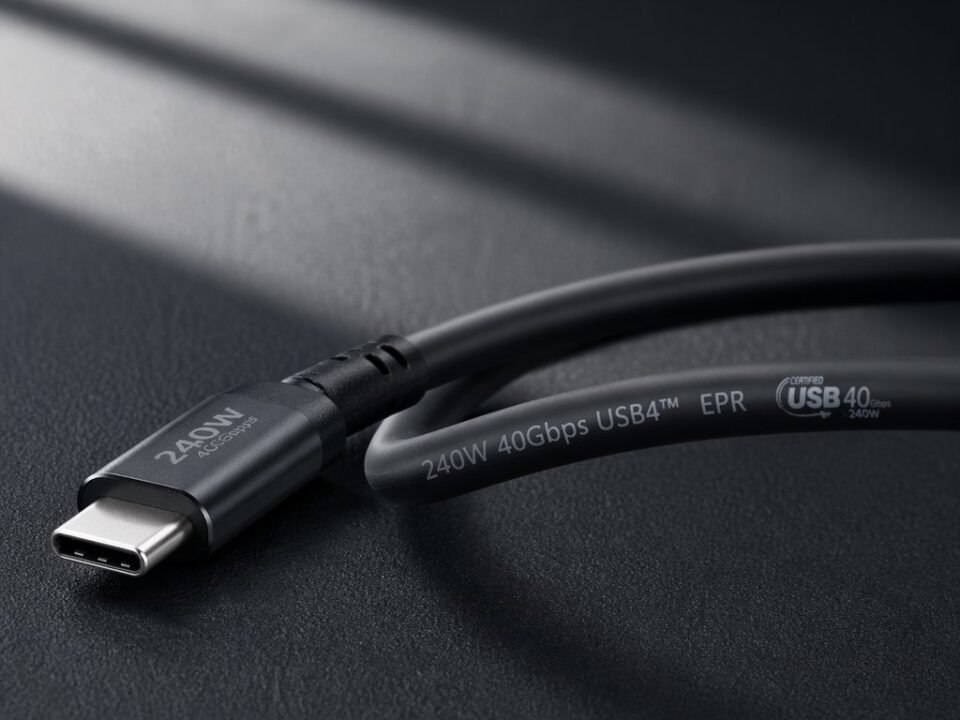


Certificação USB-IF vs. Certificação MFi: Como os importadores europeus devem escolher?
Certificação USB-IF vs. MFi: qual delas é mais importante para os importadores europeus?
Com a Diretiva Europeia sobre Carregadores Comuns em pleno vigor e a transição da Apple para o USB-C, os importadores europeus enfrentam uma decisão crucial em relação ao fornecimento. Devem buscar a certificação USB-IF, a certificação MFi ou ambas? Este guia completo detalha os custos, os requisitos e as implicações estratégicas de cada caminho de certificação.
USB-IF vs MFi: Dois caminhos de certificação com custos, requisitos e implicações de mercado distintos para importadores europeus.
Para os importadores europeus de cabos USB-C e acessórios da Apple, navegar pelo cenário de certificações nunca foi tão complexo — ou tão crucial. A Diretiva de Carregadores Comuns da UE (Diretiva de Equipamentos de Rádio 2022/2380) agora exige o USB-C como porta de carregamento padrão para a maioria dos dispositivos eletrônicos portáteis, com prazos de conformidade já em vigor para smartphones e se aproximando de abril de 2026 para laptops. Enquanto isso, os iPhones das séries 15 e 16 da Apple adotaram conectores USB-C, mas a empresa mantém seu programa de certificação MFi (Made for iPhone/iPad) para acessórios de terceiros. Compreender a relação entre Certificação USB-IF e Certificação MFi—e como cada um se alinha aos requisitos regulamentares europeus—é essencial para tomar decisões de fornecimento rentáveis e em conformidade com a legislação. Este guia fornece a clareza técnica, regulamentar e comercial de que os importadores europeus precisam.
Índice
- O panorama regulatório europeu
- Certificação USB-IF: Análise Detalhada
- Certificação MFi: Análise Detalhada
- Comparação direta
- O Programa de Conformidade da UE
- Matriz de decisão: qual certificação escolher?
- Análise de ROI da Certificação
- Mitos e Armadilhas Comuns
- Roteiro passo a passo
- Resumo e suporte WJWSY
1. O panorama regulatório europeu: o que os importadores precisam saber
Antes de comparar as certificações USB-IF e MFi, os importadores europeus devem compreender o quadro regulamentar fundamental que rege todos os produtos eletrónicos que entram no mercado da UE. Existem três níveis distintos de requisitos, cada um com peso legal e implicações comerciais diferentes.
1.1 Marcação CE: O requisito básico não negociável
A marcação CE é obrigatória para todos os produtos eletrônicos vendidos na União Europeia. Isso significa conformidade com os requisitos de segurança, saúde e proteção ambiental da UE. Para cabos e acessórios USB, a certificação CE inclui a conformidade com a Diretiva EMC, os testes de segurança da Diretiva LVD (para produtos acima de 50-75V) e a verificação de substâncias perigosas da Diretiva RoHS.
A certificação CE geralmente leva de 5 a 7 dias úteis para produtos não sem fio, com custos que variam de acordo com a complexidade do produto. Sem a marcação CE, os produtos não podem passar legalmente pela alfândega da UE nem ser vendidos no mercado europeu.
1.2 Diretiva da UE sobre o Carregador Comum: Principais Prazos

Cronograma da Diretiva da UE sobre Carregadores Comuns: dezembro de 2024 para smartphones e dispositivos portáteis; abril de 2026 para laptops.
A Diretiva de Carregador Comum da UE representa uma mudança radical para os importadores de cabos:
- 28 de dezembro de 2024Todos os smartphones, tablets, câmeras, fones de ouvido, caixas de som portáteis e dispositivos similares vendidos na UE devem usar portas de carregamento USB-C.
- 28 de abril de 2026Laptops e notebooks devem estar em conformidade com os requisitos de carregamento USB-C.
- Fundamentos técnicosA diretiva faz referência explícita às normas IEC 62680-1-2 (USB Power Delivery) e IEC 62680-1-3 (USB Type-C) como padrões de interoperabilidade obrigatórios.
Fundamentalmente, estas normas IEC derivam diretamente das especificações USB-IF. Isto significa que, embora a certificação USB-IF permaneça tecnicamente "voluntária", o cumprimento da legislação da UE exige, na prática, a adesão às normas técnicas USB-IF.
1.3 Hierarquia de Certificação para Importadores Europeus
Conclusão para importadores: A marcação CE é obrigatória por lei. A certificação USB-IF (ou conformidade com a UE) é a forma mais eficiente de demonstrar a conformidade com os requisitos técnicos da Diretiva de Carregadores Comuns. A certificação MFi destina-se a um segmento de mercado específico (utilizadores da Apple), mas não substitui a conformidade com a marcação CE ou USB-IF.
2. Certificação USB-IF: O padrão universal para dispositivos USB
A certificação USB-IF (USB Implementers Forum) é o padrão global para garantir que os produtos USB atendam às especificações técnicas de interoperabilidade, desempenho e segurança. Para importadores europeus, compreender as nuances dessa certificação — incluindo custos, processos e a variante crítica de Conformidade com a UE — é essencial.
2.1 O que a certificação USB-IF realmente verifica
A certificação USB-IF não se resume a um único teste, mas sim a uma avaliação abrangente que engloba desempenho elétrico, conformidade com protocolos, interoperabilidade entre diversos dispositivos e conformidade mecânica do conector (mais de 10.000 ciclos de inserção). A aprovação na certificação confere ao produto um status exclusivo. Número TID (ID do Teste) e listagem no público Lista de integradores USB-IF—uma referência fundamental para compradores B2B que precisam verificar as alegações dos fornecedores.
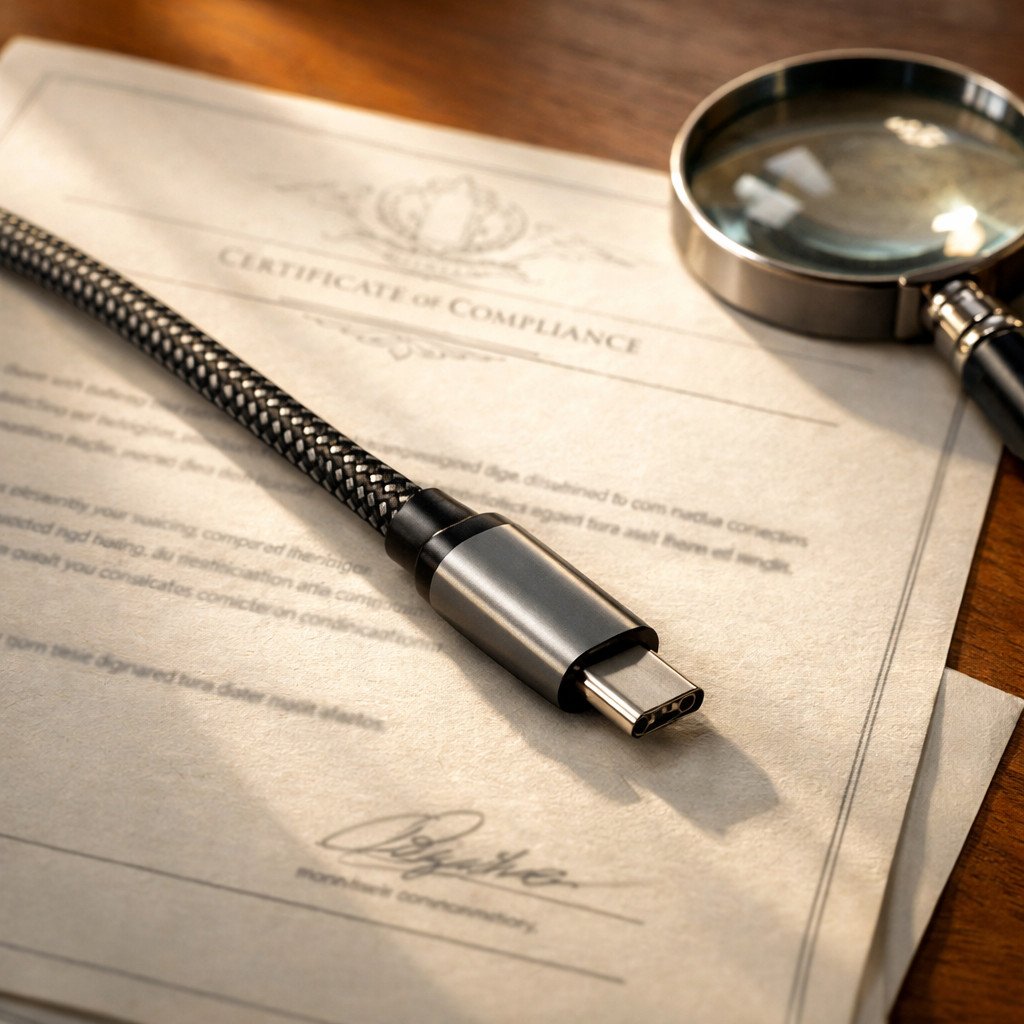
Os testes de certificação USB-IF realizados em um laboratório de testes independente autorizado (ITL) garantem a conformidade com as especificações USB.
2.2 Custos e processo de certificação USB-IF (dados de 2026)
| Componente de custo | Quantia | Notas |
|---|---|---|
| Adesão à USB-IF (Anual) | $5.000 USD | A adesão completa inclui os direitos de uso do vídeo e do logotipo. |
| Taxas de teste (cabo padrão) | $2.300 - $3.400 USD | Aproximadamente 1,6万-2,35万 RMB |
| Taxas de teste (DP/Produtos complexos) | $2.900 - $7.200 USD | Maior valor para produtos com recursos avançados. |
| Repetir o teste (em caso de falha) | 50-70% de taxa inicial | Necessário para alterações de hardware/firmware. |
| Linha do tempo | 1 a 4 semanas | Análise puramente técnica, sem necessidade de auditoria de fábrica. |
Distinção importante: A taxa anual de adesão de $5.000 cobre certificações de produtos ilimitadas para a empresa associada. Para importadores que adquirem vários SKUs de produtos USB-C, esse custo fixo torna-se altamente econômico quando diluído em todo o portfólio de produtos.
2.3 Por que a certificação USB-IF é importante para importadores europeus
- Atalho para conformidade regulatóriaA certificação USB-IF satisfaz automaticamente os requisitos técnicos da Diretiva Europeia sobre Carregadores Comuns.
- Requisitos do varejistaGrandes varejistas europeus de eletrônicos (MediaMarkt, Fnac, Darty) exigem cada vez mais a certificação USB-IF para acessórios USB-C listados.
- confiança do comprador B2BDepartamentos de TI corporativos e compradores institucionais usam a Lista de Integradores USB-IF para validar as alegações dos fornecedores.
- Taxas de retorno reduzidasCabos certificados demonstram taxas de devolução significativamente menores relacionadas à compatibilidade (tipicamente 2-4% em comparação com 8-12% para cabos não certificados).
3. Certificação MFi: a porta de entrada da Apple para um segmento de mercado premium
MFi (Made for iPhone/iPad/iPod) é o programa de licenciamento e certificação proprietário da Apple para acessórios de terceiros. Apesar da transição da Apple para conectores USB-C no iPhone 15 e 16, o programa MFi permanece totalmente operacional e continua a aplicar requisitos rigorosos de compatibilidade para acessórios que se conectam a dispositivos Apple.
3.1 MFi na era USB-C: o que mudou e o que permaneceu igual
Muitos importadores presumem erroneamente que a adoção do USB-C pela Apple eliminou a necessidade da certificação MFi. Isso é falso. Principais fatos sobre o MFi em 2026:
- Alteração do conector, certificação inalteradaEmbora o conector físico tenha mudado de Lightning para USB-C, a Apple ainda exige a certificação MFi para acessórios que buscam total compatibilidade com iPhone e iPad.
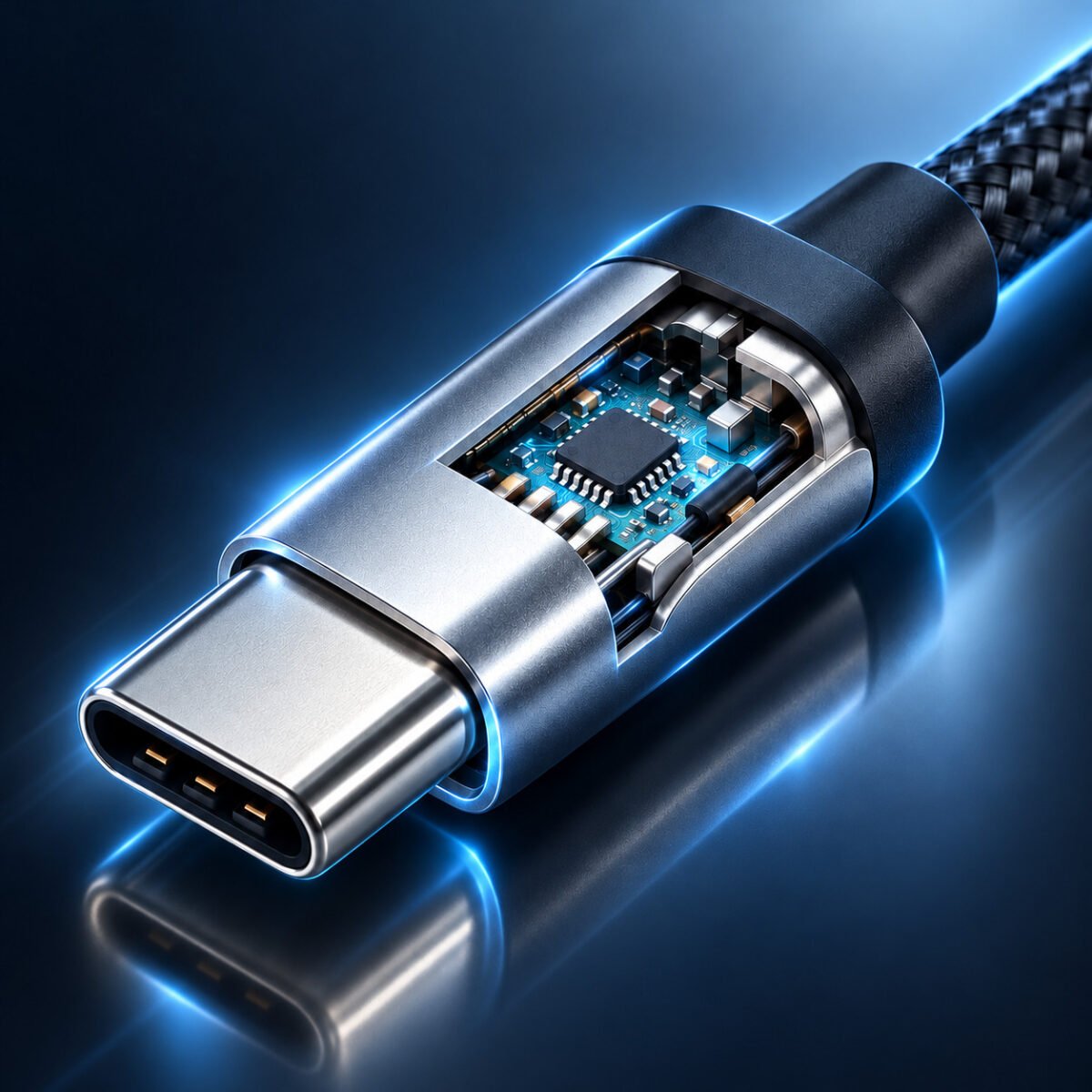
- A autenticação continuaAcessórios USB-C com certificação MFi incluem um chip de autenticação autorizado pela Apple que se comunica com o dispositivo Apple conectado.
- Consequências não certificadasAcessórios USB-C não certificados podem acionar avisos como "Este acessório pode não ser compatível", apresentar velocidades de carregamento limitadas ou simplesmente não funcionar.
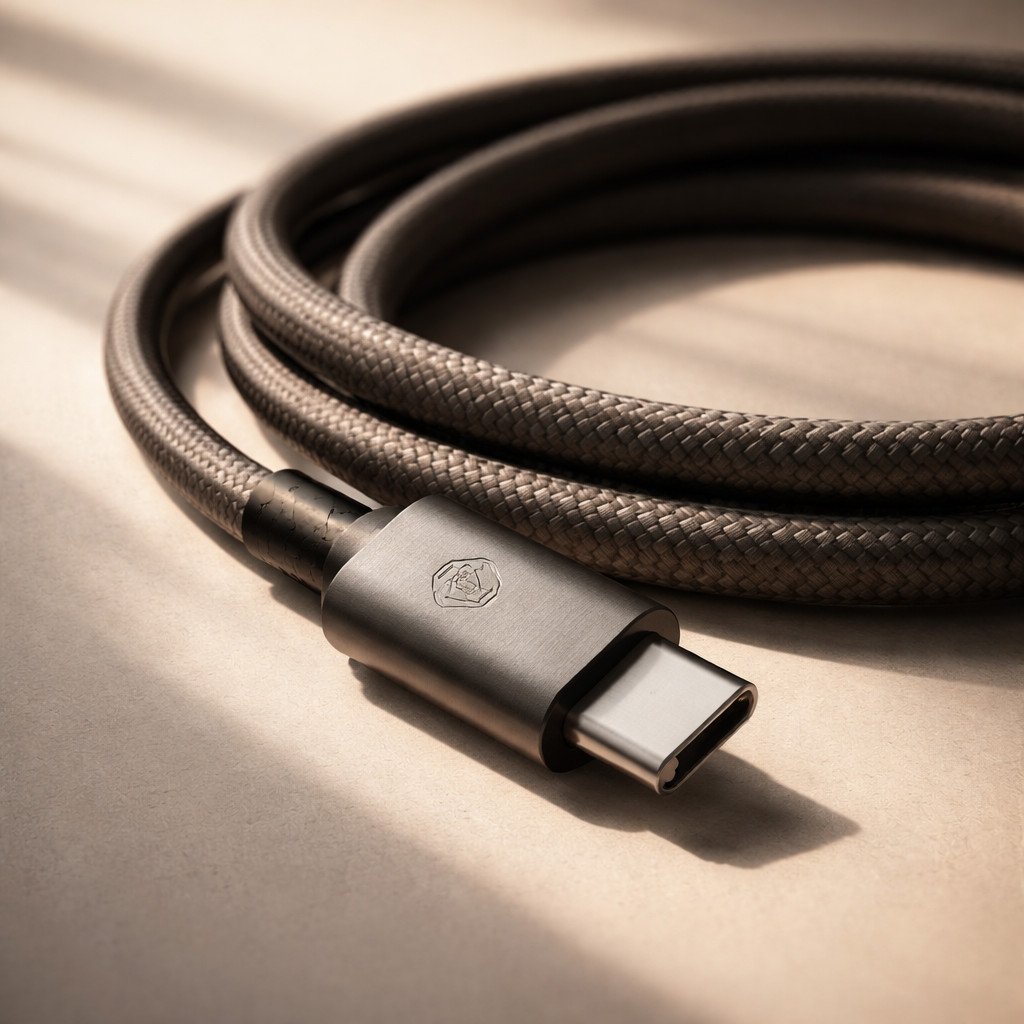
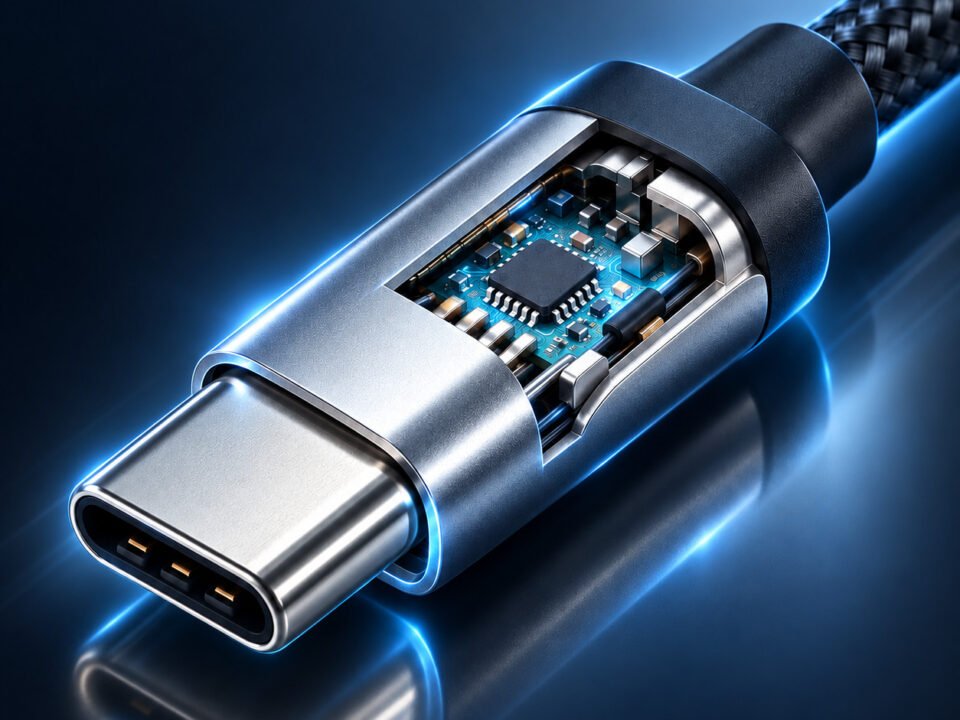
Cabo USB-C com certificação MFi e selo "Made for iPhone" — o chip de autenticação interno garante total compatibilidade com dispositivos Apple.
3.2 Custos e Processo de Certificação MFi
| Componente de custo | Quantia | Notas |
|---|---|---|
| Taxa anual MFi | $99 USD/ano | Significativamente inferior à adesão à USB-IF. |
| Taxa de teste de produto | ~$600 USD por inscrição | Por modelo de produto |
| Chip de autenticação | ~$3 USD por unidade + 17% IVA | Custo unitário contínuo — fator principal no Custo dos Produtos Vendidos (CPV) |
| Auditoria de fábrica | Varia (vários milhares de dólares americanos) | A Apple realiza inspeções presenciais em suas instalações de produção. |
| Linha do tempo | 3 a 6 meses | Inclui qualificação da empresa, auditoria da fábrica e testes de produto. |
| Taxa de aprovação da empresa | ~2% | Processo de qualificação rigoroso — a maioria dos candidatos foi rejeitada. |
3.3 Por que a certificação MFi ainda é importante para os importadores europeus
- Acesso premium ao mercadoOs usuários da Apple representam aproximadamente 30 a 35% do mercado europeu de smartphones e gastam consistentemente mais em acessórios.
- potencial de prêmio de preçoAcessórios com certificação MFi têm preços de varejo 30-50% mais altos do que produtos equivalentes sem certificação.
- Requisitos do canalRevendedores autorizados da Apple e as seções de produtos Apple em grandes varejistas exigem certificação MFi.
- Confiança do consumidorO selo "Made for iPhone" possui um valor de marca significativo junto à base de clientes fiéis da Apple.
4. Comparação direta: Certificação USB-IF vs. Certificação MFi
Agora que analisamos cada certificação individualmente, vamos compará-las diretamente nas dimensões que mais importam para os importadores europeus.

Comparação da estrutura de custos: o USB-IF apresenta altos custos fixos com taxa unitária zero; o MFi apresenta baixos custos fixos com despesas significativas por unidade de chip.
| Dimensão de comparação | Certificação USB-IF | Certificação MFi |
|---|---|---|
| Natureza | Norma voluntária do setor (de facto exigida para conformidade com a UE) | Obrigatório para total compatibilidade com dispositivos Apple. |
| Taxa anual | $5.000 USD (membro pleno) | $99 USD |
| Custo dos testes (por produto) | $2.300 - $3.400 USD | ~$600 USD + custos de auditoria da fábrica |
| Custo por unidade | Nenhuma (apenas certificação) | ~$3.51 por unidade (chip de autenticação) |
| Cronograma de Certificação | 1 a 4 semanas | 3 a 6 meses (incluindo auditoria de fábrica) |
| Auditoria de fábrica obrigatória | Não | Sim (inspeção no local pela Apple) |
| Dificuldade de aprovação | Moderado (conformidade técnica) | Extremamente alta (taxa de aprovação da empresa em torno de 2%) |
| Uso do logotipo/marca | Logotipos certificados pela USB-IF (após total conformidade) | Selo MFi ("Feito para iPhone/iPad") |
| Peso regulatório da UE | Referenciado diretamente na Diretiva de Carregadores Comuns (via IEC 62680) | Sem peso regulatório; apenas para fins comerciais. |
Principal percepção estratégica: Estrutura de custos fixos versus variáveis
USB-IF: Alto fixo, zero variável
$5.000 anuais + $3.000 testes = ~$8.000 adiantado. Custo adicional por unidade zero. Econômico para produtos de alto volume.
MFi: Baixo Fixo, Alto Variável
$99 anual + $600 teste + $3,51 por unidade. Para 100.000 unidades = $351.000+ custo total. Despesa contínua significativa.
5. O Programa de Conformidade da UE: Uma distinção crucial para os importadores
Muitos importadores desconhecem o Programa de Conformidade da UE da USB-IF — um processo de certificação especializado, concebido especificamente para o cumprimento das normas do mercado europeu. Compreender esta opção pode reduzir significativamente os custos de certificação, mantendo, ao mesmo tempo, a total conformidade regulamentar.
5.1 O que o Programa de Conformidade da UE testa
O Programa de Conformidade da UE centra-se exclusivamente nos requisitos exigidos pela legislação da UE:
- Especificação de teste funcional USB Type-CGarante o comportamento correto do conector e a detecção de sua orientação.
- Conformidade com USB Power Delivery CTSVerifica a implementação correta do protocolo PD e a negociação de potência.
- Testes de interoperabilidade entre USB Type-C e USB PD: Confirma a compatibilidade entre dispositivos representativos
Excluem-se, em particular: Testes de dados em alta velocidade (velocidades USB 3.2 e USB4) não são exigidos para a conformidade com a UE, a menos que o produto apresente especificações que afirmem a velocidade de dados.
5.2 Limitações importantes da conformidade com a UE
6. Matriz de Decisão: Qual o Caminho de Certificação Ideal para o Seu Produto?
Com os detalhes técnicos definidos, vamos aplicar uma estrutura prática de tomada de decisão com base no tipo de produto e no mercado-alvo.
6.1 Por categoria de produto
| Tipo de produto | Certificações Essenciais | Certificações recomendadas |
|---|---|---|
| Cabo de carregamento USB-C básico (60W-100W, dados USB 2.0) | CE + RoHS | Conformidade USB-IF da UE |
| Cabo de dados USB-C premium (10Gbps+, 100W-240W) | CE + RoHS | Conformidade total com USB-IF |
| Cabo Thunderbolt 4 | CE + RoHS | Certificação completa USB-IF + Thunderbolt |
| Cabo USB-C específico da Apple | CE + RoHS + MFi | Conformidade com USB-IF da UE (opcional) |
6.2 Por posicionamento de mercado
Nível básico / Marca branca
Prioridade: CE + RoHS
Estratégia: Minimize os custos iniciais de certificação; aproveite as certificações dos fornecedores.
Prioridade de custo
Mercado intermediário / Marca
Prioridade: Conformidade CE + USB-IF UE
Estratégia: Equilibrar o investimento com a credibilidade do mercado.
Abordagem equilibrada
Exportação Premium/OEM
Prioridade: CE + USB-IF completo + MFi
Estratégia: Portfólio completo de certificações para canais premium
Cobertura completa
7. Retorno sobre o Investimento (ROI) da Certificação: Análise de Custo-Benefício para Importadores Europeus
As decisões de certificação são, em última análise, decisões financeiras. Esta seção quantifica o retorno do investimento para diferentes estratégias de certificação.
7.1 Cálculo do ROI da Certificação USB-IF
Cenário: Importador que vende 50.000 cabos USB-C premium de 10 Gbps anualmente, distribuídos em 5 SKUs.
- Investimento: $5.000 de adesão + ($3.000 × 5 SKUs) = $20.000 de custo de certificação do primeiro ano
- Custo por unidade: $20.000 ÷ 50.000 = $0,40 por cabo
- Potencial de prêmio de preço: Cabos certificados alcançam preços de atacado 10-20% mais altos — $0,40-$0,80 de receita adicional por unidade.
- Redução da taxa de devolução: Reduzir os retornos de 8% para 3% economiza 2.500 retornos anualmente; a $3,00 por retorno, isso representa uma economia direta de $7.500.
- Retorno líquido do investimento: Positivo no primeiro ano; altamente positivo nos anos subsequentes.
7.2 Cálculo do ROI da Certificação MFi
Cenário: Importadora vende 20.000 cabos USB-C com certificação MFi anualmente, direcionados a usuários da Apple.
- Investimento (fixo): $99 anual + $600 testes + $3.000 auditoria de fábrica = ~$3.700 custo fixo do primeiro ano
- Investimento (variável): Custo do chip $3.51 × 20.000 unidades = custo unitário do chip $70.200
- Custo total do primeiro ano: ~$73.900 ($3,70 por cabo incremental)
- Potencial de prêmio de preço: Cabos com certificação MFi, preço de atacado premium: $2.00-$3.00 por unidade.
- Conclusão sobre o ROI: A certificação MFi só é lucrativa quando o preço de varejo premium supera o custo unitário do chip — o que exige uma marca premium e marketing eficaz.
8. Mitos comuns e armadilhas de conformidade para importadores europeus
❌ Mito 1: "A marcação CE abrange tudo""
✅ Realidade: A marcação CE refere-se à segurança e à compatibilidade eletromagnética (EMC), não à conformidade com o protocolo USB. A Diretiva Europeia sobre Carregadores Comuns faz referência explícita a normas derivadas do USB-IF.
❌ Mito 2: "A Apple mudou para USB-C, então o MFi morreu""
✅ Realidade: O programa MFi permanece totalmente operacional e continua a aplicar os requisitos de compatibilidade para acessórios que se conectam a dispositivos Apple.
❌ Mito 3: "Conformidade com a UE = Certificação USB-IF completa""
✅ Realidade: A Conformidade com a UE é um subconjunto focado nos requisitos regulamentares da UE e não concede direitos de uso do logotipo USB-IF.
❌ Mito 4: "A certificação MFi exige apenas o pagamento da taxa""
✅ Realidade: A taxa de aprovação de empresas MFi é de aproximadamente 21% a 30%. A Apple realiza auditorias rigorosas nas fábricas e avaliações do sistema de qualidade.
9. Roteiro passo a passo para a certificação de importadores europeus
Fase 1: Planejamento Pré-Produto (2 a 4 semanas)
- Defina o mercado-alvo e o posicionamento do produto: nível básico, intermediário ou premium?
- Pesquise as certificações dos fornecedores: seu parceiro de fabricação já possui as certificações relevantes?
- Calcule os custos de certificação com base nas tabelas de custos deste guia.
- Iniciar o processo de qualificação da empresa como instituição de microfinanças, se aplicável (devido ao prazo de 3 a 6 meses).
Fase 2: Desenvolvimento do Produto (4 a 12 semanas)
- Contrate um laboratório de testes autorizado (USB-IF ITL, como Granite River Labs, Allion ou iST).
- Realizar testes de pré-conformidade para identificar possíveis problemas antes da certificação formal.
- Preparar documentação técnica: especificações, esquemas, lista de materiais.
- Para produtos MFi: Realizar auditoria completa de fábrica e adquirir chips de autenticação autorizados.
Fase 3: Certificação Formal (1 a 8 semanas)
- Marcação CE: Testes completos de EMC e segurança (normalmente 5 a 7 dias úteis)
- Certificação USB-IF: Enviar para laboratório autorizado (1 a 4 semanas)
- Teste de produtos MFi: Envie para um laboratório autorizado pela Apple (inclui análise da embalagem).
- Obtenha a documentação de certificação: número TID, certificado MFi, Declaração de Conformidade CE.
Fase 4: Manutenção pós-certificação
- Renovação anual: adesão ao USB-IF ($5.000), taxa anual do MFi ($99)
- Acompanhe as mudanças regulatórias: a legislação da UE evolui; novos requisitos de Ecodesign entram em vigor em dezembro de 2028.
- Gerenciar alterações de produto: Qualquer modificação de hardware/firmware requer reavaliação.
10. Resumo: Recomendações estratégicas de certificação para importadores europeus
Se você é...
Um importador novo/pequeno
- ✓ CE + RoHS (requisito básico obrigatório)
- ✓ Fornecimento a fabricantes certificados
- ✓ Foque em produtos USB-C universais
Uma marca em crescimento
- ✓ Conformidade CE + USB-IF UE
- ✓ Interface USB completa para produtos de ponta
- ✓ Avalie cuidadosamente o ROI do MFi
Uma marca estabelecida/OEM
- ✓ Certificação CE + Total conformidade com USB-IF
- ✓ Certificação MFi para produtos direcionados à Apple
- ✓ Certificação Thunderbolt (se aplicável)
Principais conclusões para importadores europeus
- A marcação CE é o requisito básico não negociável.—Sem isso, não há acesso ao mercado da UE.
- A certificação USB-IF (ou conformidade com a UE) é o caminho de conformidade padrão. para produtos USB-C de acordo com a Diretiva de Carregadores Comuns
- A certificação MFi é uma chave de acesso premium ao mercado.—Valioso para estratégias focadas na Apple, mas não substitui a conformidade com o USB-IF.
- A conformidade total com a norma USB-IF versus a conformidade com a UE depende das especificações do seu produto.—O marketing de velocidade de dados exige certificação completa.
Guia resumido para importadores europeus: Priorize a conformidade com a marcação CE como sua base legal, busque a conformidade com a USB-IF da UE para alinhamento regulatório e considere o MFi somente se você tiver um caminho claro para um posicionamento premium no mercado da Apple — entendendo que o custo unitário do chip do MFi altera fundamentalmente a economia de escala.

Cabos USB-C certificados, prontos para distribuição na Europa — a certificação adequada garante um desembaraço aduaneiro tranquilo e aceitação no varejo.
Precisa de cabos USB-C certificados para o mercado europeu?
A WJWSY é especializada na fabricação de cabos para OEMs e atacado, com suporte completo para certificação para importadores europeus. Nossas linhas de produtos incluem cabos com certificação USB-IF, cabos de carregamento em conformidade com as normas da UE e acessórios Apple com certificação MFi. Fornecemos documentação completa de certificação, consistência entre lotes e personalização flexível para atender às suas necessidades no mercado europeu.
Explore a fabricação OEM → Solicitar Documentação de Certificação →
Para obter informações oficiais sobre a certificação USB-IF, visite o site. Página de conformidade USB-IF UE. Os produtos certificados podem ser verificados em Lista de integradores USB-IF. Para consultar o texto regulamentar da UE, veja o Diretiva da UE sobre o Carregador Comum (2022/2380).
Para obter mais informações sobre padrões de qualidade de cabos, consulte nosso [link para o documento/site/etc.]. Página de garantia de qualidade e certificação ou leia o nosso Relatório de desmontagem do cabo Thunderbolt 3.