

Medical Device Power Solutions
2026-09-15
Smart Home and IoT Power Solutions
2026-09-16
Embedded Electronics Power Solutions
Embedded Electronics Power Solutions
Embedded electronics are integrated into devices designed to perform specific tasks, often in fixed installations where power access is limited. Embedded systems span IoT sensors and gateways, industrial controllers, and smart home and commercial devices, and each relies on a suitable power source and a defined external connection. Embedded electronics power solutions cover the power source for the embedded unit, any USB connection used for data, configuration or power, and any custom adapter matched to the device. The appropriate arrangement depends on the device’s input requirements, operating environment and maintenance needs.
1. Embedded Power and Connection Options
Embedded products are specified around the device’s power input and its external connection. Some units are powered by a fixed DC input, some accept USB power, and some use a combination of both. The hardware behind each option differs in voltage regulation, connector, cable and how the power is delivered, so the choice is made against the device’s input specification and the environment in which it operates.
1.1 Embedded Device Power
The power to an embedded device must match the input rating of the unit. Many embedded products accept a fixed DC input, in which case the source must provide the correct voltage, sufficient current capability and the right connector and polarity, because a fixed-input device does not negotiate power. The adapter’s rated current should meet or exceed the device requirement, with any additional margin determined by the device specification and operating conditions.
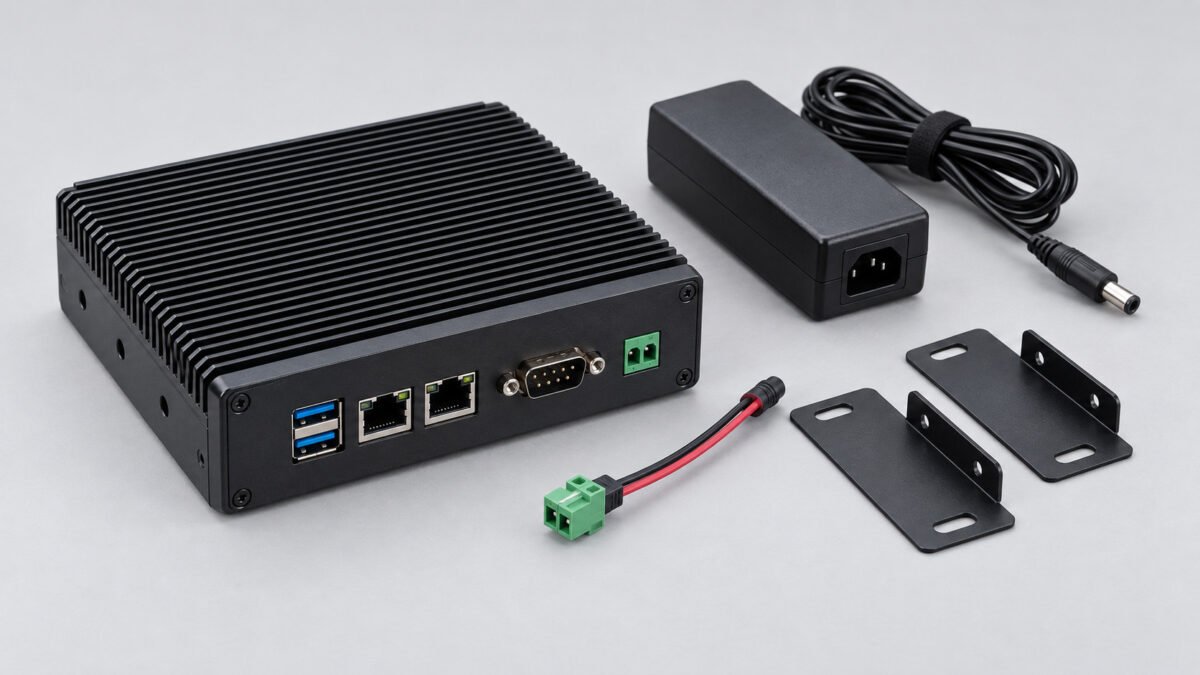
For devices that may remain powered continuously or operate in confined enclosures, the continuous output under load, the environmental temperature range and the thermal design should be confirmed within the selected adapter’s rated conditions. Voltage drop in low-voltage output cables should be considered by reviewing conductor size, cable length and operating current together. The compliance scope for the destination market should be confirmed for the final configuration.
Depending on the selected model, protection functions may include overvoltage, overcurrent, short-circuit and overtemperature protection. The available functions, trip behavior and recovery method should be confirmed from the product specification and validated with the target device. Adapter-level protection does not replace any protection required within the end product.
1.2 USB Connection
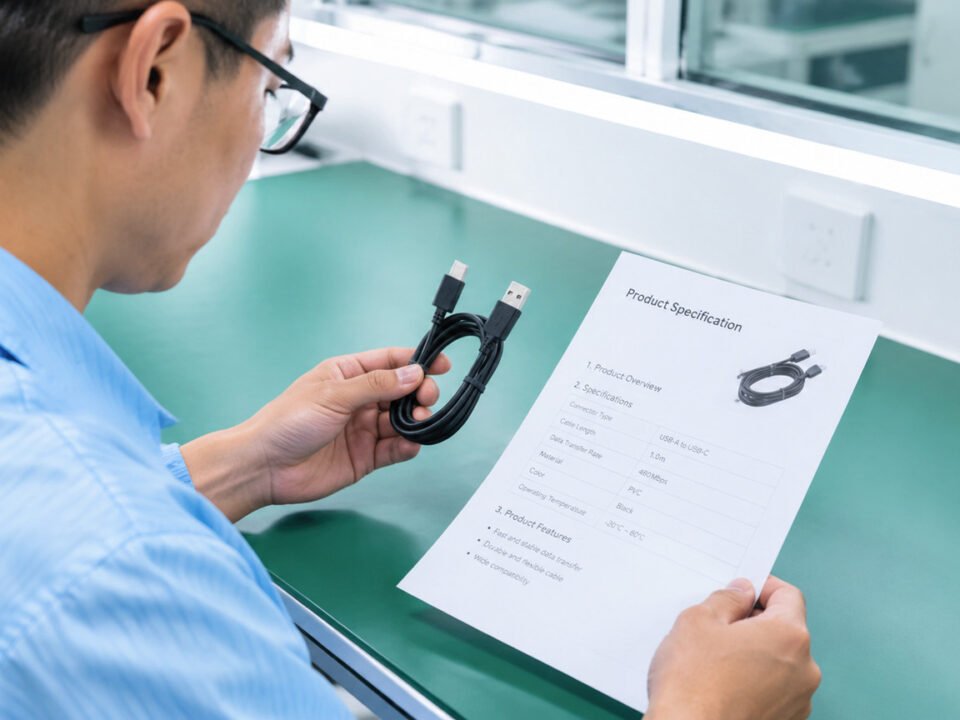
A USB connection on an embedded device may carry data, configuration commands or power, and the function of each port should be verified for the device in question. Power-only USB ports and charging-only cables do not provide data connectivity, while a data-capable port may or may not support USB Power Delivery. A USB-C connector alone does not confirm USB PD support or a particular data rate, so the port’s supported features should be confirmed against the device and the mating cable.
The required data rate and the need for negotiated power delivery should be confirmed for the selected model. Where USB Power Delivery is used, the power source, device and cable must support compatible power profiles. For current above 3A, an appropriate 5A electronically marked cable is required. For USB PD Extended Power Range above 100W, the power source, device and cable must also support the applicable EPR voltage and power level. If the connection is used for data transfer or configuration, the cable must support the required data rate, and the connector and cable construction should be suitable for the expected mating cycles and mechanical conditions.
1.3 Custom Adapter
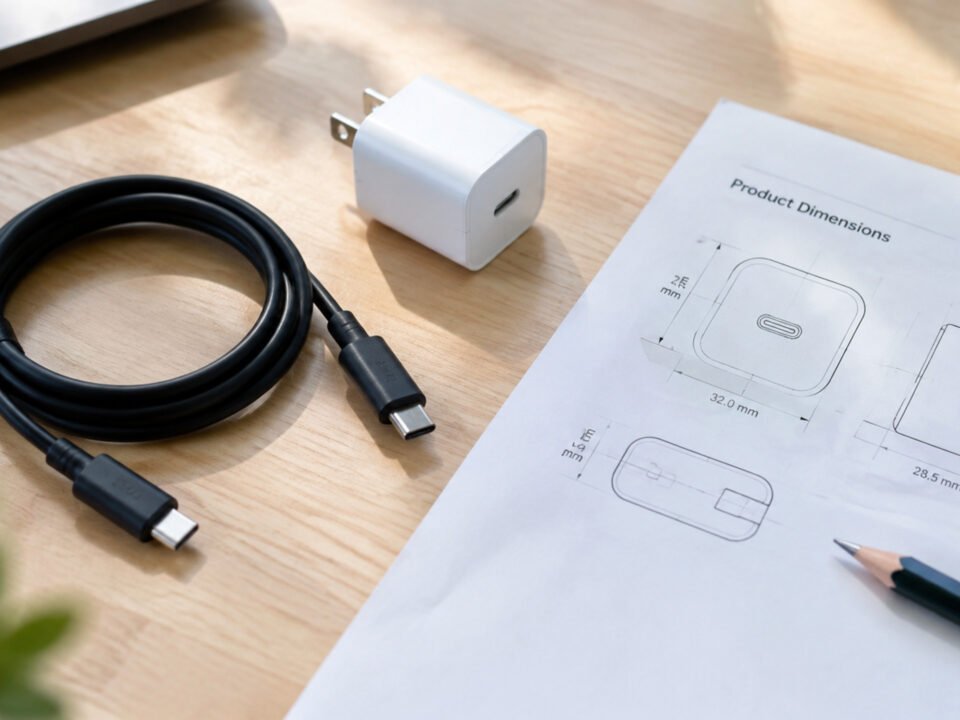
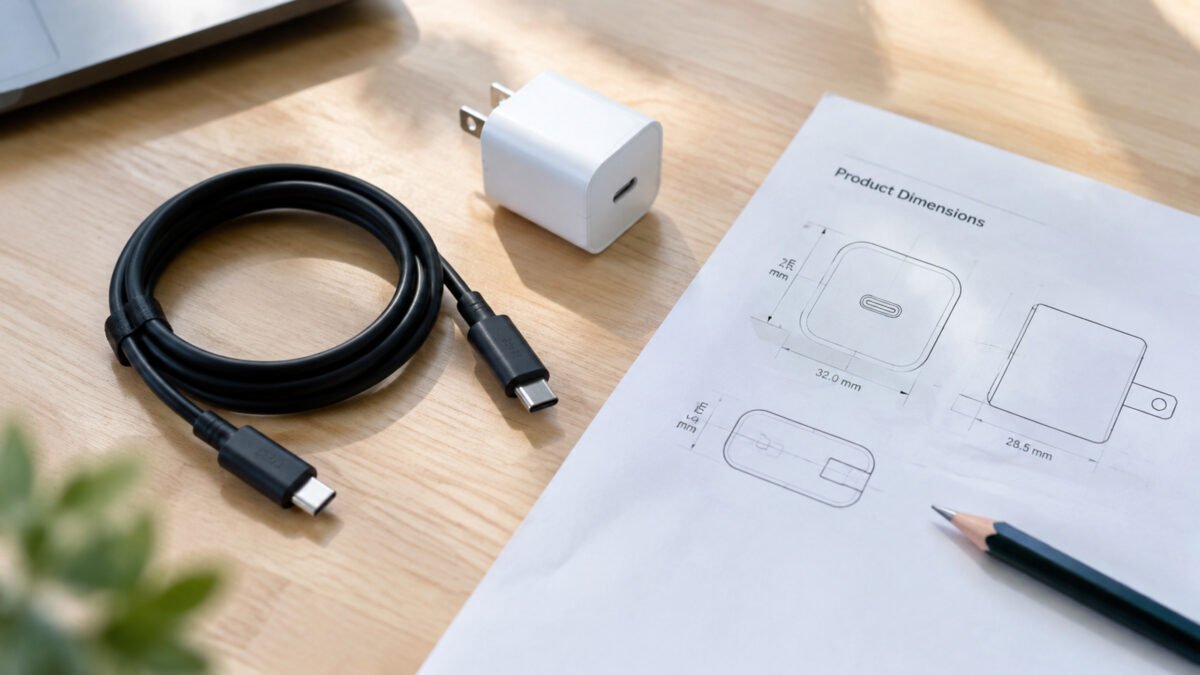
Custom adapters are specified where the device input, physical layout or sourcing requirement differs from a standard item. Depending on the selected platform, order volume and project requirements, custom options may include output voltage, current capability, connector configuration, cable length, enclosure color, surface finish, output labeling and packaging. Available options should be confirmed for the selected model before production.
Any custom change that may affect electrical, mechanical, thermal or regulatory performance should be reviewed and validated before production. For a fixed-output adapter, the output voltage must remain within the device’s specified input range, the connector and polarity must match, and the rated current capability must meet or exceed the device’s maximum requirement. The applicability of existing compliance documentation should be reconfirmed for the final configuration and destination market. A documented specification covering voltage, current capability, connector, polarity, cable and operating conditions provides the basis for production and verification against the target device.
2. Applications
Embedded power and connection options are applied across IoT equipment, industrial devices and smart devices. These applications differ in operating environment, duty cycle and how the power and connection are installed, so the suitable hardware varies accordingly. The same specification discipline applies in each case: confirm the device input, the intended connection function and the conditions of use.
2.1 IoT Equipment
IoT equipment includes sensors, gateways, edge controllers and small network-connected devices that often run continuously or on a fixed schedule. A reliable power source is important because an unplanned power interruption may disrupt reporting or a control function. For IoT devices with a fixed DC input, the adapter should provide an output voltage within the device’s specified range, sufficient current capability, and the correct connector and polarity. It should also be rated for the required operating schedule and environmental conditions.
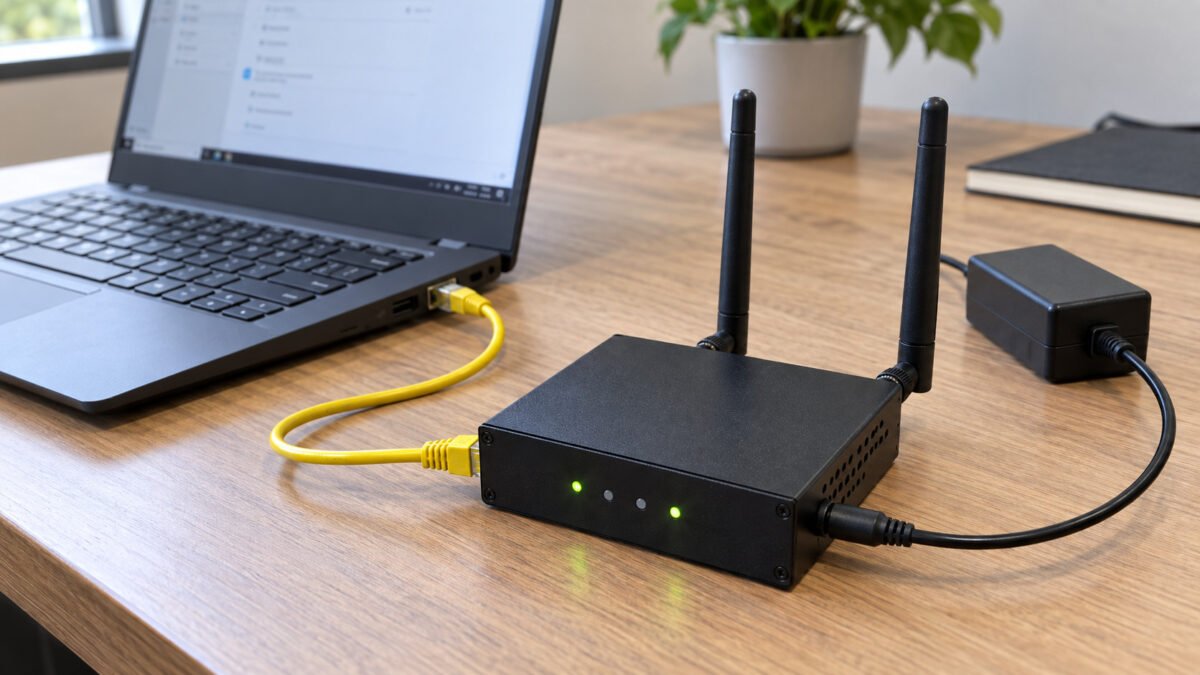
The USB connection on IoT equipment may be used for local configuration, data output or limited power provisioning during maintenance. Where devices are provisioned or updated through USB, the connector type, data rate and any negotiated power should suit the intended workflow. Because IoT equipment may be mounted out of reach or inside an enclosure, cable length, mounting and service access should be planned together with the power and connection requirements.
2.2 Industrial Devices
Industrial devices may operate under conditions involving continuous duty, vibration, wider temperature ranges or increased mechanical stress, depending on the installation. The power source should be selected for the device’s input rating and documented environmental conditions, and its rated output under load and operating temperature range should fit the application. For fixed-output power, the voltage must remain within the device’s specified input range, the connector and polarity must match, and the current capability must meet or exceed the maximum device requirement. Any additional design margin should be determined from the equipment specification and operating conditions.
Where an industrial device uses a USB connection for configuration, maintenance or data transfer, the connector and cable should be suitable for the expected duty cycle and any movement or mechanical stress. A USB-C connector alone does not confirm a particular data rate or power capability, so the supported features should be verified against the device. The compliance scope for the destination market and the applicable electrical and building requirements should be reviewed for the installation.
2.3 Smart Devices
Smart devices include connected home, building and commercial products such as displays, control panels, access terminals and small appliances. These devices combine an embedded computing core with power input and often a USB connection for charging, configuration or firmware updates. The power and connection should be selected for the device’s input requirement and how it is installed in the space.
For smart devices that charge or receive power over USB, the charging protocol and supported power level should be confirmed rather than assumed from the connector. For devices with a fixed input, the adapter’s output voltage must remain within the specified range, the connector and polarity must match, and the current capability must meet or exceed the maximum expected demand under the intended duty cycle and operating temperature. Where a smart device is installed in a visible or finished space, cable management, mounting and accessibility for maintenance should also be included in the specification.
Embedded electronics power solutions match a power source, USB connection or custom adapter to the input rating and operating conditions of the embedded unit. IoT equipment may require continuous power and accessible service connections, industrial devices may require dependable output under specified environmental and mechanical conditions, and smart devices may combine USB power or fixed DC input with installation and appearance requirements. Voltage, current capability, connector, polarity, data rate and negotiated power should be confirmed together with the environmental and compliance requirements for the selected model. For an embedded electronics project, provide the device specification, maximum power requirement, connection function, operating environment and destination market for a solution review.
Need a Power Solution for Your Embedded Device?
Whether you need a fixed DC power source, a USB connection for data and power, or a fully customized adapter matched to your embedded unit, our team can help you specify the right solution for your device input, operating environment and destination market. From IoT equipment and industrial controllers to smart home and commercial devices, we support embedded electronics projects with competitive pricing and flexible MOQ.