
Robotics USB Cable Solutions
2026-09-15
Automotive USB Charging Solutions
2026-09-15
Retail Brand Charging Solutions
Retail Brand Charging Solutions
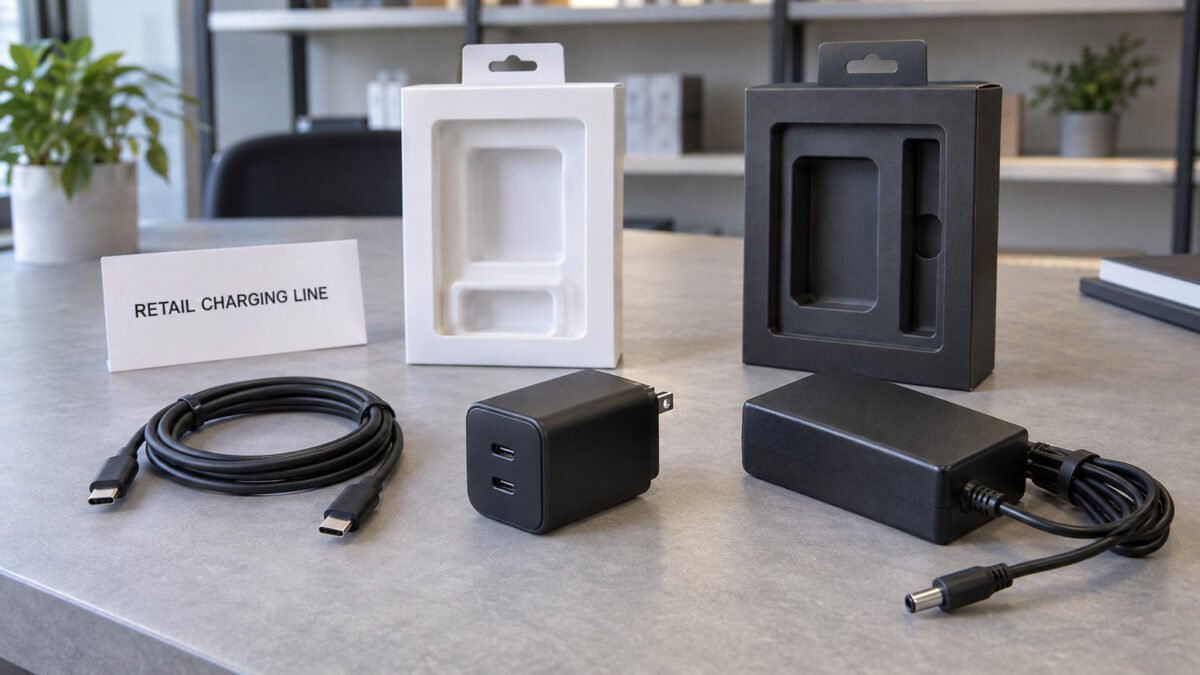
Retail brands that want to sell their own charging accessories can source a private-label line of USB cables, chargers and adapters built to their brand specification. A private-label charging line lets a retailer or brand owner control the product range, appearance, packaging and pricing. Products may be selected from an established manufacturing platform and then customized for the brand. Existing designs, test data and compliance documentation can provide a starting point, but their applicability must be confirmed for the exact product configuration, brand arrangement and destination market. Product selection therefore covers both device compatibility and the compliance scope required for the planned retail line.
Part 1: Brand Product Solutions
A retail charging line is usually built from a small set of products that covers the devices customers own. The common range includes USB cables, USB chargers and power adapters, each selected for its power tier, protocol support and target market. Starting from an established product platform can reduce the amount of new electrical development required. Available specifications, test records and compliance documents should still be reviewed to confirm that they apply to the selected model, customization scope and destination market. This can make launch planning and cost evaluation more predictable than a fully bespoke design, depending on the level of customization required.
1.1 USB Cable
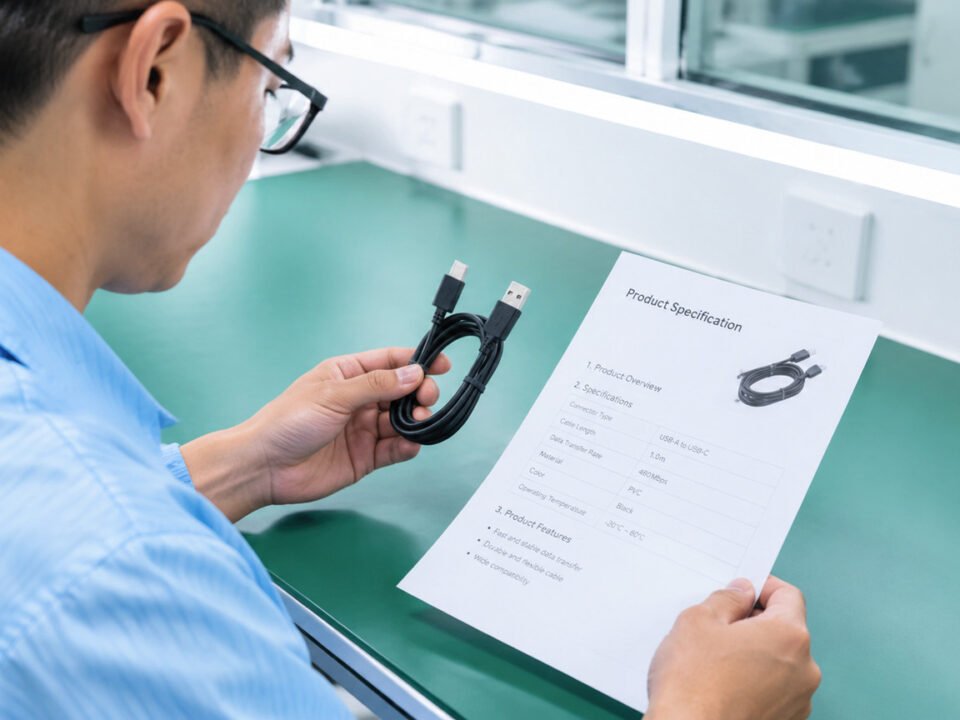
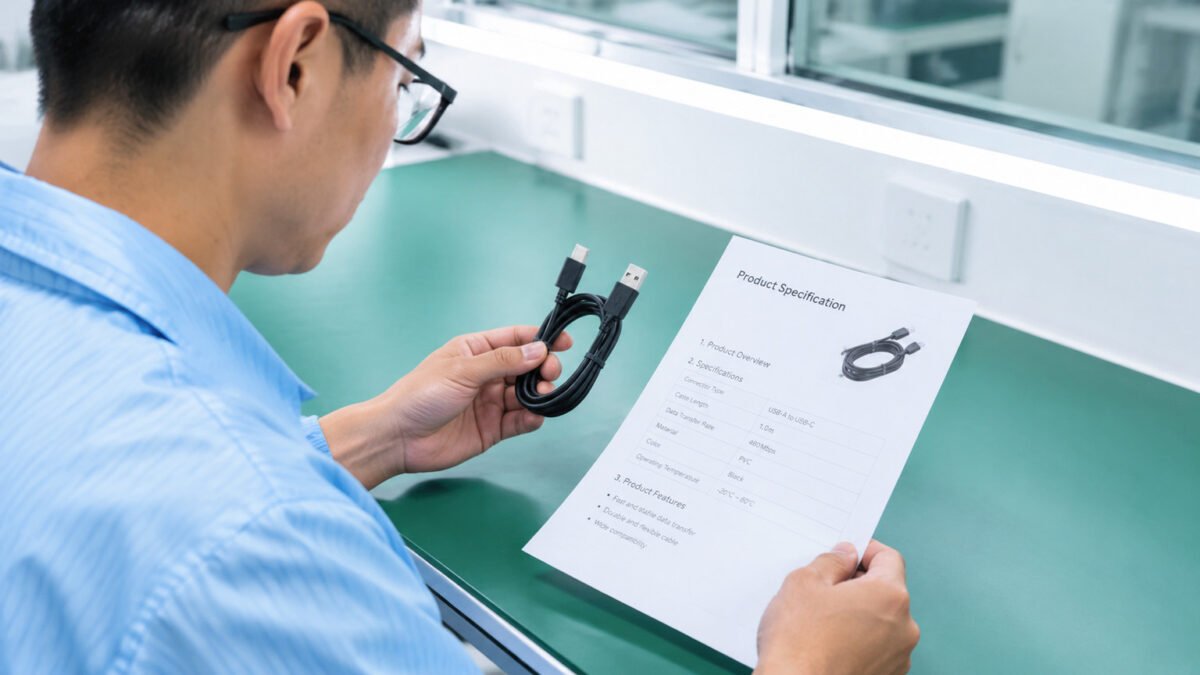
USB cables are commonly purchased and replaced accessories and are an important part of a retail charging range. A branded cable line covers the connector types, data rates and current ratings that match the phones, tablets and laptops the brand targets. Selected USB-C cables support USB 2.0 or higher data specifications, depending on the cable design. Power delivery above 3A over USB-C requires an appropriate 5A electronically marked cable. The cable construction, length and durability should be matched to the intended retail position, since a premium position may use a different jacket and finish than an entry-level value line.
A cable range can be built around different tiers, such as a standard data and charge cable and a higher-power option. Each tier is matched to the devices and the price point, and the color, length and connector finish make the line distinct in retail. Because customers often buy cables by durability and charging speed, the verified current rating, supported power and any applicable fast-charging compatibility should be stated clearly so the cable is matched to the device the customer wants to charge. Matching the cable tier to the charger tier in the same line avoids a pairing that visibly limits the charging speed.
1.2 Charger
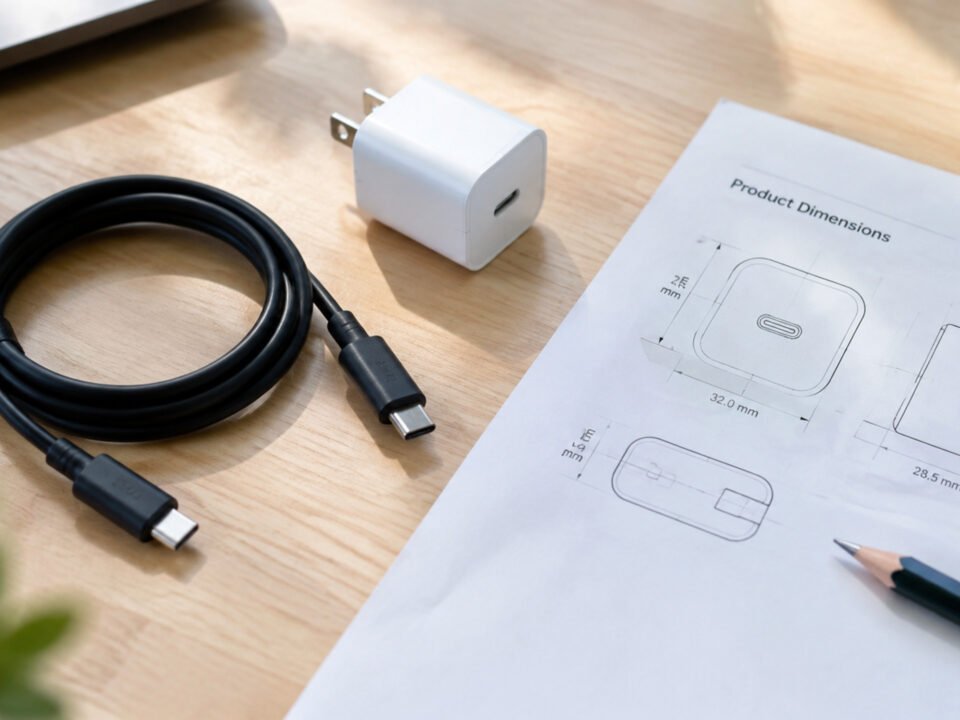
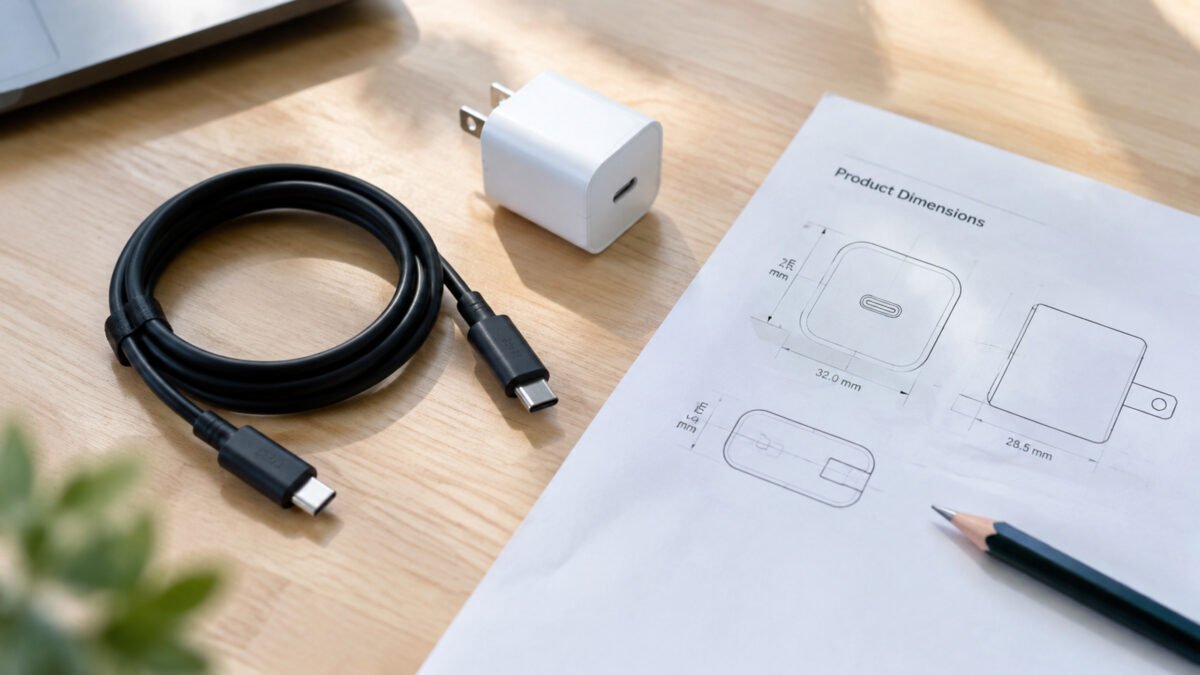
USB chargers give a retail brand its higher-value product and the place where output and protocol are most visible. Charger selection covers the output power, the charging protocol and the port count. Under USB Power Delivery, selected chargers cover common power tiers from around 20W up to 100W in the Standard Power Range. Selected models may support Extended Power Range above 100W when the charger, device and an appropriate EPR-rated USB-C cable support compatible power profiles, and the output is negotiated with the device.
A charger line can include single-port models for phones and multi-port models that charge several devices from one AC source. Multi-port selection should confirm the total output, the per-port output and how power is allocated when more than one device is connected. The plug type and input range should match the destination market. Applicable safety, EMC and energy-efficiency requirements, together with any permitted certification or conformity markings, must be confirmed for the exact model and retail region. GaN-based models may be included where reduced size or higher power density supports the range, but the output, protocol and thermal behavior are still confirmed by the specification.
1.3 Adapter
Power adapters cover devices that require a fixed DC input rather than negotiated USB charging, such as certain routers, monitors and small appliances. A branded adapter is matched to the device input in voltage, current capability, connector and polarity. Most conventional adapters provide a fixed regulated output selected to match the device specification, so the connector and polarity must be confirmed against the target equipment before a model is added to the line.
An adapter line may be compact for travel and low-power applications or built to a specific output for a bundled device. Because the output is fixed, exact matching matters more than for a negotiated charger, and the energy-efficiency and EMC requirements of the retail market apply to each model. Depending on production feasibility, the connector, cable length, jacket, color and labeling may be customized. Any change that could affect electrical, mechanical, thermal or regulatory performance should be evaluated against the applicable specification and compliance scope before approval.
Part 2: Brand Customization
Brand customization applies identity to a product whose electrical specification is already confirmed. Retailing a private-label charger or cable means deciding how the brand appears on the product, how it is packaged and how the product looks on the shelf or in-hand. Depending on the product platform and order volume, the available options cover logo application, packaging design and appearance features such as color, finish and materials. Each customization is confirmed against the mechanical and electrical limits and the compliance scope of the selected model.
2.1 Logo
The logo is applied to the product itself and is the primary daily mark a customer sees. Depending on the surface and material, options may include pad printing, laser marking, an embossed pattern, a molded mark or a printed label. Each method suits certain materials, shapes and durability requirements, so the logo placement and method are confirmed against the product finish. The mark should remain legible through normal handling and cleaning while staying within the available print area of the selected model.
Logo approval is usually part of a brand artwork step. The brand provides the logo file and the placement is agreed before sampling, so the finished pieces match the artwork across cable connectors, charger housings and adapter labels. Consistent placement across the product line supports a coherent retail presentation. Brand artwork must not obscure required ratings, warnings or traceability information. Regulatory and certification markings may be used only when they are applicable to the exact product, permitted under the relevant certification or authorization, and presented in the required format.
2.2 Packaging
Packaging carries the brand into retail and carries the product information a customer needs to choose correctly. Packaging options may include a retail box, a hang card, a clamshell, a pouch or plain bulk packaging, depending on the market and the product category. The package surface can show the brand logo, product images, connector type, verified power rating and, where applicable, supported data rates and charging protocols. This information helps customers compare products and select a suitable model at the point of sale. Clear rating information can reduce returns caused by incorrect product selection and help customers choose the appropriate tier.
Packaging is designed around the product size and the retail channel. The stated ratings on the package should match the product specification, and the compliance and safety information required by the region should be present. Regulatory or certification markings should appear only when they are applicable to the exact product and authorized for use in the destination market. Package materials, print finish and insert construction are confirmed against the unit cost and the desired shelf presence. For private label, packaging is part of the control the brand owns over its product identity, and the artwork, barcode and any language requirements are settled during the packaging approval.
2.3 Appearance
Appearance covers the visual and tactile design of the product beyond the logo. Depending on the platform, options may include color, surface finish, material choice, cable jacket texture and connector housing design. A consistent look across the cable, charger and adapter builds product-line recognition, while color and finish can be used to target a customer segment or a retail shelf position. An appearance scheme can differentiate a line without changing the underlying electrical configuration.
The appearance is constrained by the mechanical and thermal requirements of the product. A charger shell must allow the heat to be managed, a cable jacket must keep its flexibility and durability, and a connector housing must protect the terminations. Appearance is therefore confirmed together with the electrical and thermal design, not applied over it. The broad final look and the selected materials are fixed before sampling so that the first units represent the production intent and hold a consistent finish across the whole range.
Part 3: OEM Process
The OEM process turns a retail product idea into a production line. It is structured in stages so that the specification, the sample and the production build stay aligned with the brand intent and the compliance requirements. The process commonly runs from design through prototype to production, with each stage confirmed before the next begins. This staged approach gives a brand ready points to review appearance, cost and fit without reworking a product at the end.
3.1 Design
The design stage fixes the product range and the specification. The brand and the manufacturer agree the products, the power tiers, the connectors, the protocols, the destination markets and the order quantities, and these are written into a specification. The design also covers the appearance, logo placement, packaging and the compliance scope for the target markets, so that the electrical, mechanical and brand requirements are captured in one document.
Design work may use an existing product platform where appropriate. The electrical design, available approvals and supporting documentation should be reviewed after the customization scope and destination markets are defined. Custom changes to output, connector or materials are evaluated for feasibility, certification impact and cost before they are committed. A confirmed design specification, drawing and test plan at this stage reduce changes later and give the sampling and production stages a fixed reference. The number of SKUs, the packaging sizes and the artwork scope are also fixed at design time so the later stages are not reworked.
3.2 Prototype
The prototype stage produces samples that represent the planned product. Samples are made so the brand can verify the appearance, the logo, the packaging and the functional behavior before the production commitment. Prototype units are checked for the mechanical fit, the connector and polarity, the output under load and the appearance of the branding, against the agreed specification and drawing. A sample that matches the approved artwork and ratings is the basis for the production decision.
Depending on the product and the volume, the prototype stage may be a single set of samples or a small pilot build used for approval. The approval covers the appearance, the electrical behavior and, where required, the pre-compliance checks for the target market. An approved sample and a signed-off specification become the benchmark for production, so the approval stage is completed before manufacturing begins and all confirmed changes are reflected in the final drawing. Any change to the artwork or specification should be incorporated into the approved sample and final documentation before volume production.

3.3 Production
Production turns the approved sample into repeat units to the agreed volume. The production build uses the confirmed specification, the approved drawing and the validated test plan, with the logo, packaging and appearance applied consistently across the run. Inspection requirements, acceptance criteria and compliance documentation are confirmed before production, and the finished units are checked against the specification. A consistent production record supports a repeatable retail line across reorders.
After production, the branded products are packaged and readied for shipment to the retail distribution channel. The compliance documents and the quality records are reviewed against the target-market requirements, and the product is delivered in the agreed packaging and labeling. The approved specification can support repeat orders of the same confirmed configuration. New models, material changes and product-line extensions should be reviewed for technical, labeling and compliance impact before production.
Retail brand charging solutions give a brand owner a private-label line of USB cables, chargers and adapters built around a confirmed electrical and compliance platform. The product set is matched to the target devices, the brand is applied through logo, packaging and appearance, and the OEM process runs from design through prototype to production, supported by an approved specification, production controls and compliance documentation confirmed for the intended market. For a retail brand planning its own charging accessories, provide the target products, power and protocol needs, retail markets, order volume and brand requirements for a solution review and quotation.
Need a Private-Label Charging Line for Your Brand?
Whether you need a complete retail line of USB cables, USB chargers and power adapters, or a single private-label model customized with your logo, packaging and appearance, our team can help you build a private-label charging range around a confirmed electrical and compliance platform. From product selection and branding to prototyping and volume production, we support brand owners and importers with competitive pricing and flexible MOQ.