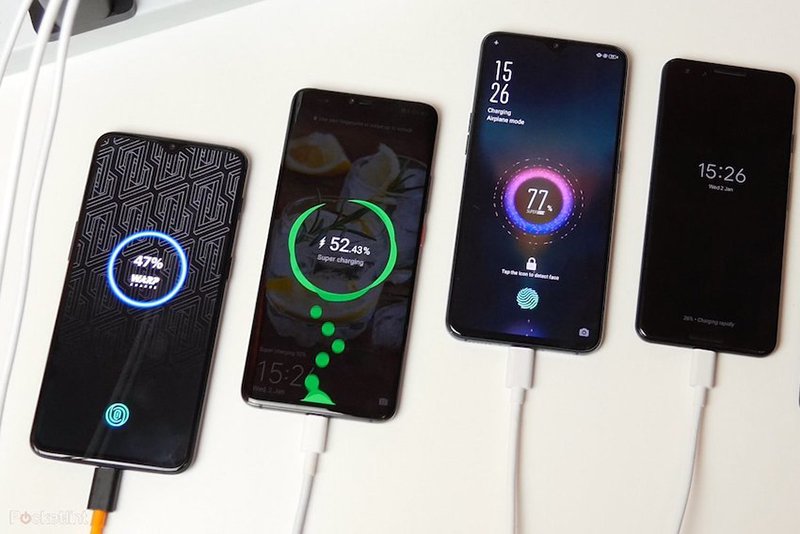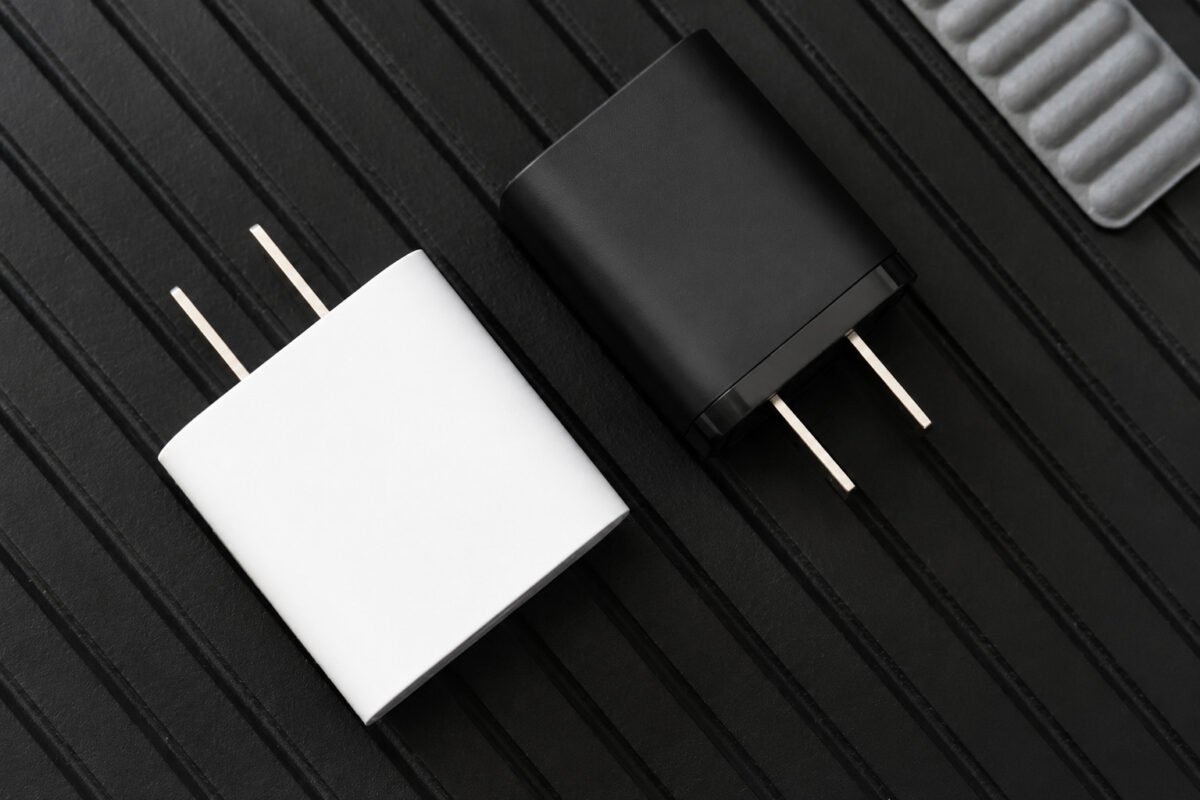
20W vs 40W Charger: Which One Do You Actually Need?
20W vs 40W Charger: Which One Do You Actually Need?
With the release of the iPhone 17 and its 40W wired charging ceiling, the 20W charger that has been the default recommendation for years suddenly looks dated. The same USB-C brick now ships in 20W, 40W, 65W, and 100W versions, and the numbers suggest a simple ranking that a phone does not necessarily follow.
The short answer: a 40W charger charges faster than a 20W charger only when the device asks for more than 20W. A phone that tops out near 20W will draw the same power from either brick and finish in the same time.
The sections below cover what the two chargers actually do, whether the higher wattage is safe, where the speed difference comes from, and when the smaller unit is the better buy.

1. Do Both Chargers Support USB-C Power Delivery?
Most modern 20W and 40W chargers implement USB-C Power Delivery, the standard that lets a charger and a device negotiate. The device states what it can accept, the charger offers what it can supply, and both settle on a level that works for each. A USB-C plug on the charger is not by itself proof of PD support, but at these wattages the two usually arrive together.
1.1 Understanding the Language of Chargers
Plug in a phone and the two devices hold a short conversation before any current flows. The phone announces its ceiling; the charger answers with the voltages and currents it can provide; the pair agree on one.
A 40W charger connected to a device that can take 15W supplies 15W. Nothing forces the extra power into the device, because the device is the one requesting it. That is the safety property that makes a higher-wattage charger usable across a mixed set of devices.
1.2 Common Profiles You May See
A 20W charger typically publishes three fixed steps: 5V at 3A, 9V at 2.22A, and 12V at 1.67A. The 9V and 12V steps multiply out to 20W; the 5V step is limited to 15W, and the device picks whichever one it can use.
A 40W charger publishes a longer ladder: 5V at 3A, 9V at 3A, 12V at 3A, 15V at 2.67A, and 20V at 2A. Two of those pairs reach the rating — 15V times 2.67A and 20V times 2A both come to 40W. A device picks one pair from the ladder rather than a wattage, and a phone may settle on 9V at 3A, which is 27W, and stay there for the entire charge.
One caveat on labels: a charger with two ports usually splits its total, so the per-port number is lower than the box claims. Read the output table rather than the headline wattage.
1.3 The Role of Protocols
Power Delivery is one protocol among several. Quick Charge negotiates over the USB 2.0 data pins rather than the configuration channel, and several phone makers use proprietary schemes that require a matching charger and cable. A device that supports only a proprietary protocol will not reach its top speed on a generic PD brick, even a 40W one.
This is also why a USB data blocker changes charging behavior. A blocker cuts the data pins, which stops Quick Charge from negotiating; PD runs on the configuration channel and is unaffected. If a phone suddenly charges slowly through a blocker, the protocol it was using is the reason.
The charger, the cable, and the device each have a say. A 40W charger needs 2A at 20V to reach its rating, so a cable rated below that will push the connection down to a lower voltage step, and a device that never requests above 9V will not use the higher steps regardless of what the charger offers.
2. Can a 40W Charger Harm My Phone's Battery?
No, not through wattage. A phone contains a charging controller that limits what it accepts, and that controller is what stands between the charger and the battery. The charger can offer more than the phone can take, and the phone will decline.
2.1 The Device Is in Control
Think of a hose and a bottle. The hose can deliver far more water than the bottle holds in a second, but the neck of the bottle sets the flow. The charger is the hose; the phone is the bottle.
Every PD connection is a contract between the two ends. The phone asks for a voltage and current it can handle, the charger confirms, and the pair proceed. If the phone can only take 20W, the 40W charger supplies 20W and no more.
What actually stresses a battery is heat, not the wattage printed on the brick. Fast charging warms the cell, which is normal, and phones manage it with temperature sensors that reduce current when the pack gets hot. That throttling is why a phone on a 40W charger does not stay at 40W for the whole charge.
Under-powering is the more real risk. A laptop that expects 40W and receives 20W will charge slowly, may warn about a slow adapter, and in some cases will not keep up with its own consumption under load. Too little power is a usability problem; too much is not a battery problem.
Build quality matters more than the number. A counterfeit charger may lack the protection circuitry that a compliant one includes, and that is where overheating and damage actually come from.
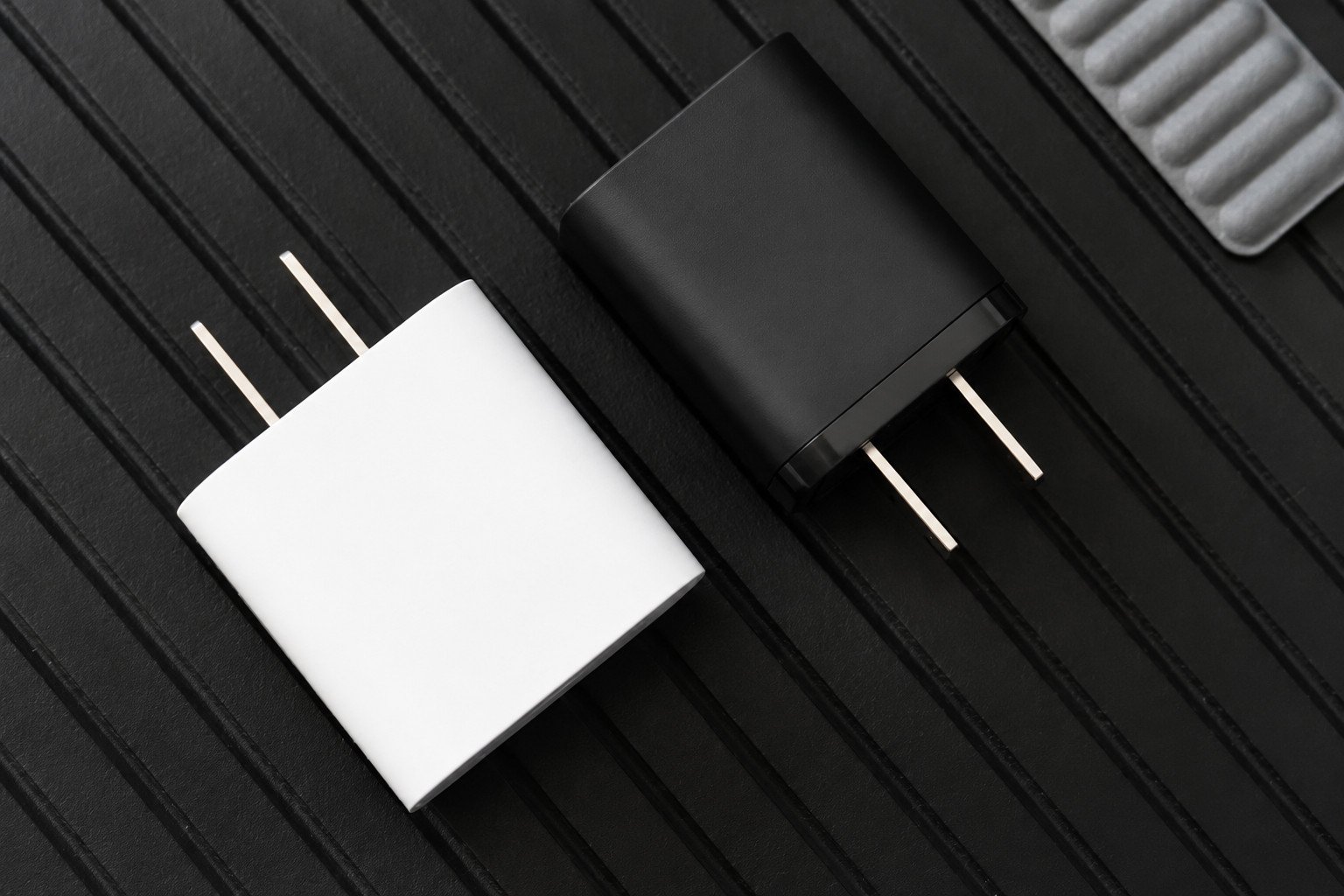
3. Does a 40W Charger Charge Faster Than a 20W?
Only when the device can draw more than 20W. If a phone peaks at 18W, a 40W brick and a 20W brick deliver the same charge in the same time, because neither is the limiting factor.
3.1 The Real Bottleneck
Most phones pull 18W to 27W in the early phase of a charge and then taper. Tablets draw more, and some models sustain 30W or higher with PPS. That gap is where a 40W charger earns its price: a device that can hold 27W finishes noticeably sooner on the larger brick.
The limit lives in the device, not the charger. Buying a 40W unit for a phone capped at 20W changes nothing except the size of the brick in the bag.
3.2 Heat and Taper
Fast charging is front-loaded. Power climbs early, then falls as the battery fills, partly by design and partly to control temperature. Even with 40W of headroom, the taper still happens, which is why the last 20% of a charge feels slow on any charger.
Doubling the wattage does not halve the charge time. It shortens the early phase and leaves the tail roughly where it was.
4. When Should You Choose a 20W Charger Over a 40W?
Choose 20W when the job is one phone or a pair of earbuds and the priority is a small, cool brick that fits a pocket. It covers most phones at their real draw, costs less, and runs cooler at the wall.
4.1 Good Use Cases for 20W
- Single-phone charging. Daily top-ups and overnight charges finish in the same time as they would on a larger brick.
- Earbuds and smartwatches. These draw a few watts. A 40W unit adds nothing but size and cost.
- Travel kits. One small charger and a short cable fit in any pocket, and the pair covers a phone, earbuds, and a watch.
4.2 Edge Cases
If the household includes a tablet that draws more than 20W, or the routine involves a fast top-up before leaving, the 40W unit starts to pay for itself. A laptop makes the decision for you: 20W will keep one alive on standby but will not charge it under use.
4.3 Cost and Heat
A 20W charger is usually cheaper and dissipates less heat, since it converts less power. Lower heat is gentler on the components and on the battery in the device, which matters for a charger that stays plugged in overnight.

5. Conclusion
The choice comes down to what the device can accept. A 40W charger is the more versatile purchase: it covers a phone at any speed the phone supports, and it has headroom for a tablet or a laptop in a pinch. A 20W charger covers most phones, costs less, travels better, and produces less heat while doing it.
If the devices in question cap near 20W, the larger brick buys nothing but weight. If any of them can draw 25W or more, the 40W unit pays for itself in time saved.
6. FAQ
Q1: Will a 40W charger charge my old phone faster?
Only if the phone can draw more than 20W. A device capped below that charges at the same rate on either charger.
Q2: What is a USB-C Power Delivery charger?
A charger that negotiates its output with the device, adjusting voltage and current to match what the device requests, rather than sending a fixed supply.
Q3: Can a 20W charger charge a laptop?
It can, but slowly, and often not while the laptop is in use. A 20W unit suits standby charging for a low-power laptop and little else.
Q4: Does the cable matter for fast charging?
Yes. The cable has to be rated for the current the device wants. A cable limited to 2A caps a 20V connection at 40W, and a poor-quality cable adds resistance that shows up as heat and slower charging.
Q5: Is it better to have a higher wattage charger?
It is more versatile, not automatically better. Above the device's ceiling, extra wattage changes nothing except cost, size, and idle heat.
Q6: Why is my phone still charging slowly?
Check the whole chain: whether the charger publishes the voltage step the phone needs, whether the cable is rated for the current, and whether the phone uses a proprietary protocol that a generic PD charger cannot trigger.
Q7: Does 40W always charge twice as fast as 20W?
No. Speed depends on the device's ceiling and its charging curve, and the taper at the end of a charge limits the gain from extra headroom.
Q8: Do I need a 5A cable for phones?
Usually not. A 3A cable covers 20W to 60W phone charging, because those devices reach their wattage at voltages where 3A is enough. A 5A cable matters for 100W and above.
Matching wattage to the device is only half of the decision. The other half is the assembly that carries the current, since a charger rated for 40W cannot deliver it through a cable that was never built for the load.
For buyers specifying chargers and cables together, the output table on the charger and the current rating of the cable are the two documents that decide whether the pairing works. Reading them against each other takes less time than testing a sample.