

Guia de especificações do carregador USB
Guia de especificações do carregador USB
Compreender as especificações dos carregadores USB é essencial na hora de selecionar produtos para diferentes dispositivos, mercados e aplicações. Parâmetros-chave como tensão de entrada, potência de saída, configuração das portas, tipo de plugue, tamanho e design da carcaça determinam a compatibilidade e a adequação do carregador. Este guia explica as principais especificações dos carregadores USB para ajudar os compradores a comparar produtos e identificar as configurações mais adequadas.

1. Especificações principais do carregador USB
1.1 Especificação de entrada
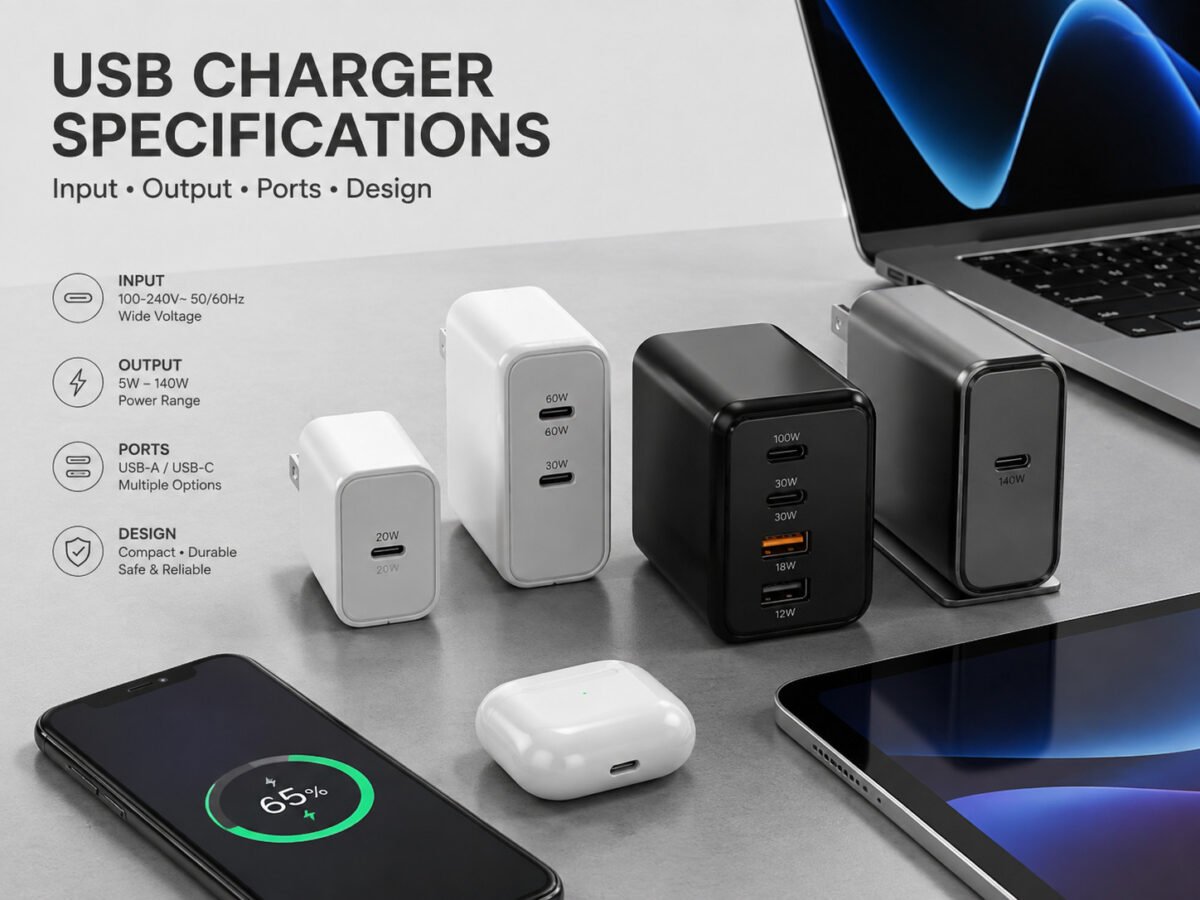
Os parâmetros de entrada definem a compatibilidade com as redes de energia CA regionais e representam uma consideração primordial para o planejamento de produtos transfronteiriços. Os carregadores para distribuição global normalmente suportam uma ampla faixa de tensão de entrada, enquanto os modelos regionais podem ser otimizados para padrões de rede específicos.
Tensão de entrada
- 100–240 V CA (modelos de ampla faixa de tensão); 100 V, 110–120 V ou 220–240 V CA (modelos regionais)
- Os modelos de 100–240 V CA são compatíveis com as principais tensões de rede regionais, incluindo as utilizadas na América do Norte, Japão, Europa, Reino Unido, Austrália e China, sem a necessidade de um conversor de tensão externo. Os modelos regionais oferecem eficiência otimizada na tensão desejada e podem apresentar as marcas de certificação regionais aplicáveis.
Freqüência
- 50/60 Hz
- Compatível com frequências de rede de 50 Hz e 60 Hz utilizadas em todo o mundo. Os carregadores de ampla faixa incorporam correção ativa ou passiva do fator de potência em modelos selecionados para manter uma saída estável em variações de frequência.
Tipo de plugue
- Tipo A/B (América do Norte); Tipo A (Japão); Tipo C/E/F (maioria da Europa); Tipo G (Reino Unido, Irlanda, Hong Kong, Singapura); Tipo I (Austrália, Nova Zelândia, China); configurações regionais adicionais disponíveis em modelos selecionados.
- As configurações de plugues são avaliadas em relação aos requisitos regionais de segurança e EMC aplicáveis, que podem incluir os requisitos de segurança UL/CSA e os requisitos da FCC nos Estados Unidos, PSE no Japão, os requisitos CE na UE, os requisitos da UKCA no Reino Unido, os requisitos da RCM na Austrália e Nova Zelândia e os requisitos da CCC na China. Sistemas de plugues intercambiáveis estão disponíveis em modelos selecionados para reduzir o número de SKUs para distribuição em várias regiões.
1.2 Especificação de Saída
Os parâmetros de saída determinam a velocidade de carregamento, a compatibilidade com dispositivos e os requisitos de cabos. Os carregadores USB operam sob perfis de tensão e corrente definidos pelas especificações da USB-IF e pelos protocolos de carregamento rápido suportados. A capacidade de saída deve ser compatível com a gama de dispositivos pretendidos.

Tensão
- USB padrão: 5 V CC é a tensão base para o fornecimento de energia via USB. As versões USB 2.0 e USB 3.x definem principalmente as capacidades de transferência de dados, e não um nível de potência de carregamento fixo. Níveis de potência mais altos podem estar disponíveis através do USB Power Delivery. A corrente de saída de carregamento USB-A depende do design do carregador e das especificações de carregamento suportadas; a especificação USB Battery Charging Specification 1.2 define o comportamento da porta de carregamento, com portas de carregamento dedicadas suportando até 1,5 A sob essa especificação, enquanto alguns carregadores USB-A comerciais suportam correntes mais altas através de outras implementações de carregamento.
- Faixa de potência padrão USB PD (SPR): Tensões fixas de 5V, 9V, 15V e 20V por USB PD 3.0, adequadas para smartphones (9V), tablets e laptops (15V/20V). A fonte de alimentação programável (PPS) em modelos selecionados permite o ajuste preciso da tensão para uma melhor eficiência de carregamento.
- USB PD com alcance de alimentação estendido (EPR): Tensões fixas adicionais de 28 V, 36 V e 48 V por USB PD 3.1 permitem o fornecimento de energia de até 240 W para laptops de alto desempenho, estações de acoplamento e dispositivos USB-C profissionais selecionados. Um modo de alimentação com tensão ajustável (AVS) permite tensões intermediárias entre 15 V e a tensão fixa máxima suportada. Os requisitos de energia para monitores e outros equipamentos dependem do projeto específico do dispositivo e da configuração da interface.
Atual
- As conexões USB Type-C padrão podem suportar até 3A sob as especificações USB Type-C aplicáveis. Quando o USB Power Delivery é utilizado, níveis de tensão como 9V, 15V e 20V podem permitir níveis de potência mais elevados, incluindo até 60W a 20V com um cabo capaz de fornecer 3A.
- Para conexões USB Type-C, correntes acima de 3A exigem um cabo compatível. Classificação 5A Cabo com um marcador eletrônico apropriado. Isso permite níveis de potência USB PD de até 100 W a 20 V em aplicações SPR e até 240 W a 48 V em aplicações EPR, dependendo das capacidades do carregador, do cabo e do dispositivo conectado.
- No carregamento USB PD, a energia é negociada dinamicamente entre o carregador e o dispositivo conectado, sendo a energia disponível determinada pelas capacidades do carregador, do cabo e do dispositivo.
Potência
As faixas de potência típicas para carregadores USB abrangem 5W–20W, 20W–65W, 65 W–100 W, e 100 W–240 W. As classificações a seguir são fornecidas como referência geral para a seleção de produtos:
- Até 20W — Celulares convencionais, fones de ouvido sem fio, caixas de som Bluetooth portáteis, relógios inteligentes, dispositivos vestíveis de baixo consumo de energia e acessórios
- 20W–65W — Smartphones, tablets, ultrabooks e laptops finos e leves, dispositivos portáteis para jogos
- 65 W–100 W — Notebooks padrão, monitores portáteis, estações de carregamento com várias portas e dispositivos profissionais ou embarcados selecionados
- 100W–240W (EPR) — Notebooks de alto desempenho, estações de acoplamento e dispositivos USB-C profissionais selecionados
Observação: Em carregadores com múltiplas portas, a potência total disponível pode ser distribuída entre as portas ativas, com a potência de saída de cada porta variando de acordo com o número de dispositivos conectados e as solicitações de energia de cada dispositivo.
1.3 Configuração de Portas
A configuração das portas determina quantos dispositivos podem ser carregados simultaneamente e os tipos de conectores disponíveis. A seleção depende do caso de uso pretendido, da variedade de dispositivos, do orçamento total de energia e se é necessário carregamento simultâneo de alta potência.
Porta única
- Um conector de saída (USB-A ou USB-C). Potência total disponível dedicada a um único dispositivo, sem restrições de compartilhamento de energia.
- Casos de uso típicos: carregadores OEM incluídos com dispositivos, adaptadores de viagem para um único dispositivo, carregamento de equipamentos dedicados em ambientes comerciais e institucionais. Recomenda-se o uso de modelos USB-C de porta única em novos projetos de produtos para estarem em conformidade com as tendências atuais de padronização de conectores.
Porta dupla
- Duas portas de saída, geralmente configuradas como USB-A + USB-C ou USB-C dupla. Distribuição inteligente de energia entre as portas ativas em modelos selecionados, com realocação dinâmica de energia quando um dispositivo atinge a carga completa.
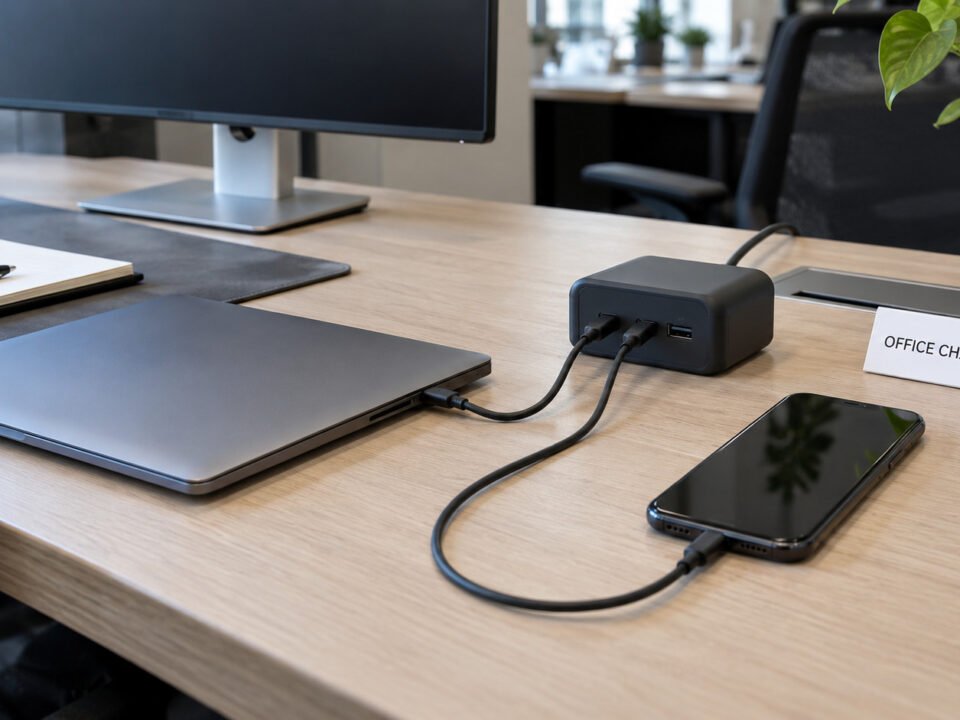
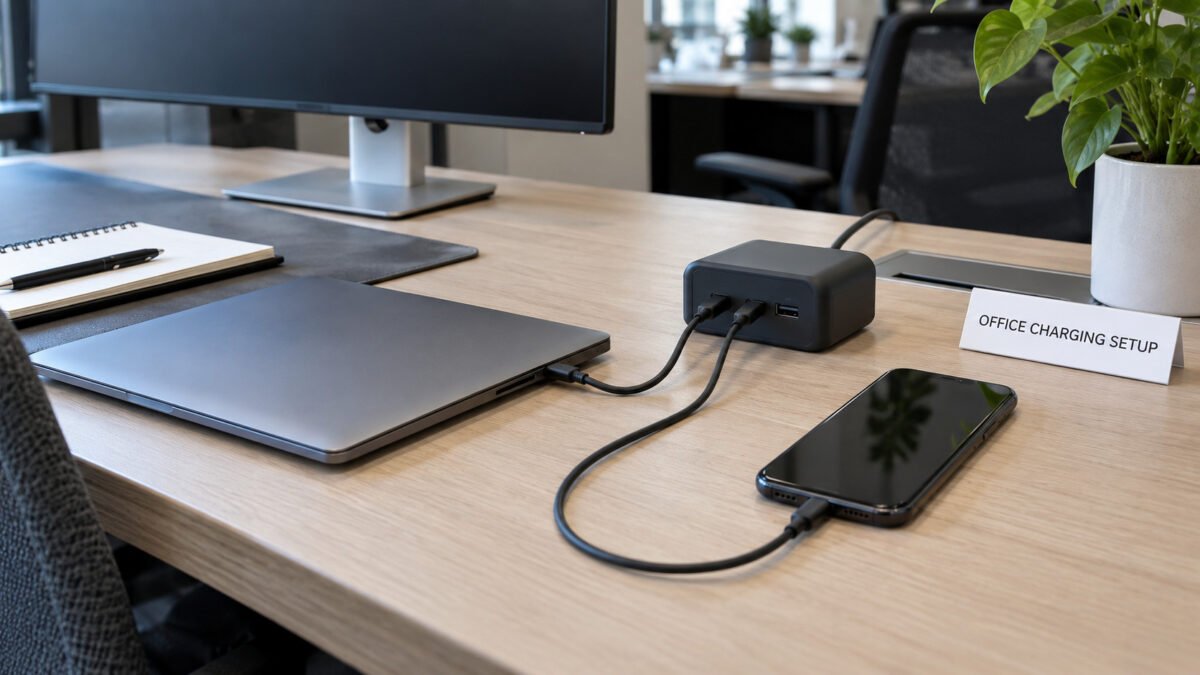
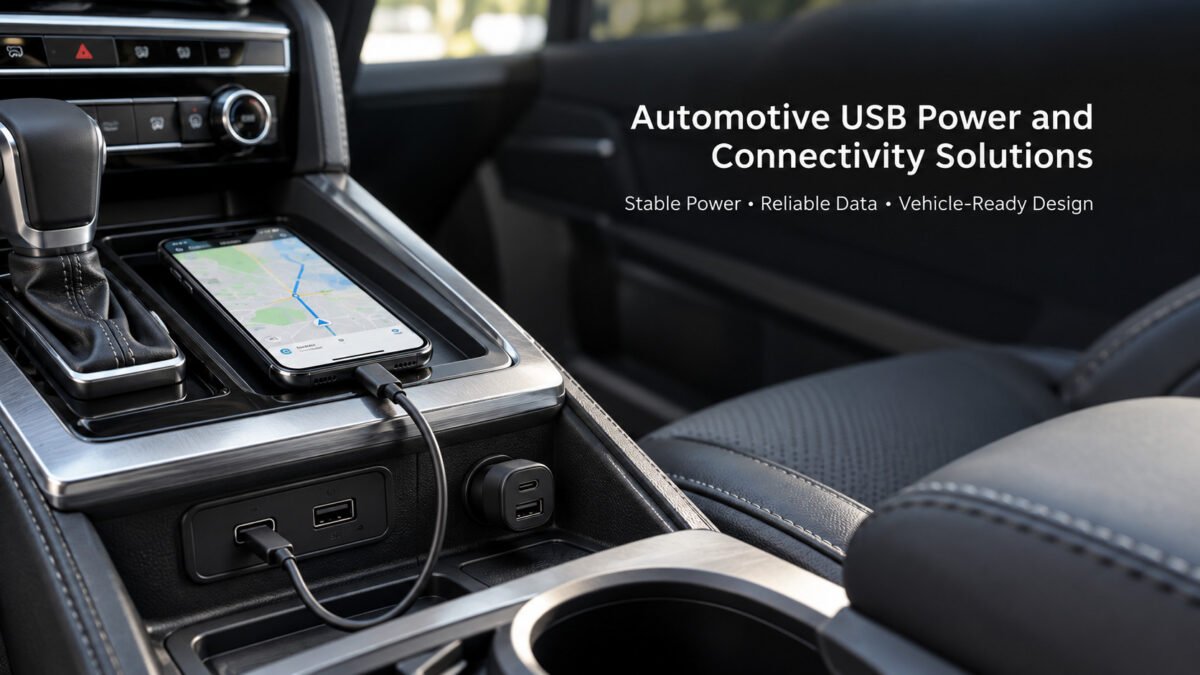
- Usos típicos: Carregadores de viagem para celulares e fones de ouvido ou celulares e tablets, para uso em mesas de escritório, em quartos de hotel e em veículos. As configurações com duas portas USB-C são ideais para usuários que carregam um laptop e um celular simultaneamente.
Multiportas
- Três ou mais conectores de saída, combinando portas USB-A e USB-C para suportar dispositivos antigos e modernos. A potência total é distribuída entre as portas ativas de acordo com a prioridade do dispositivo em modelos selecionados, com alguns modelos reservando uma porta de alta potência dedicada para carregar laptops, enquanto alocam a capacidade restante para portas de acessórios.
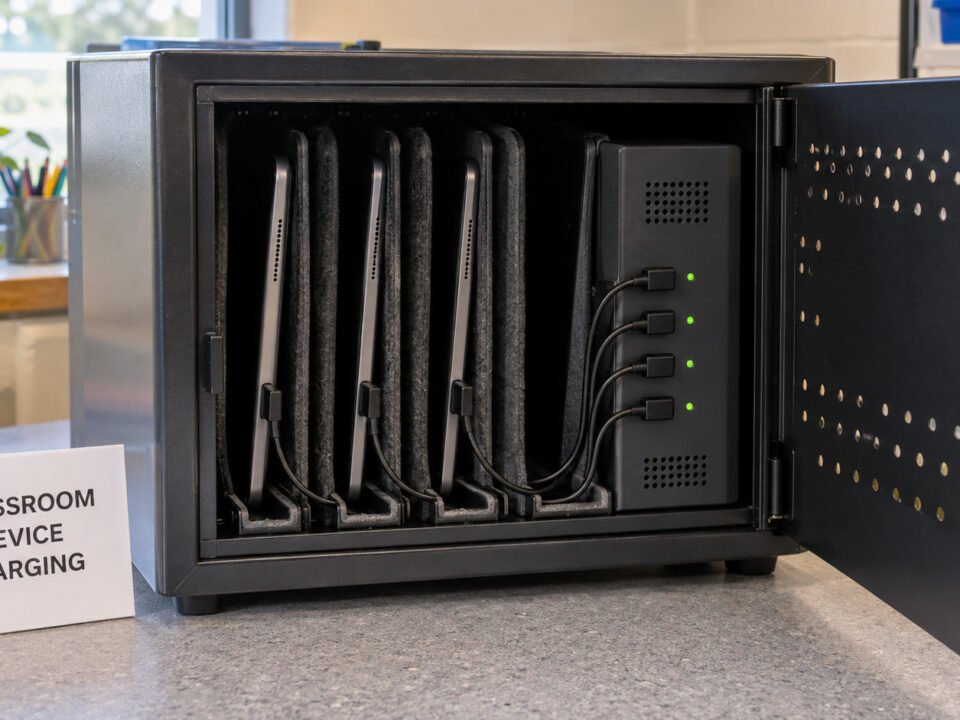
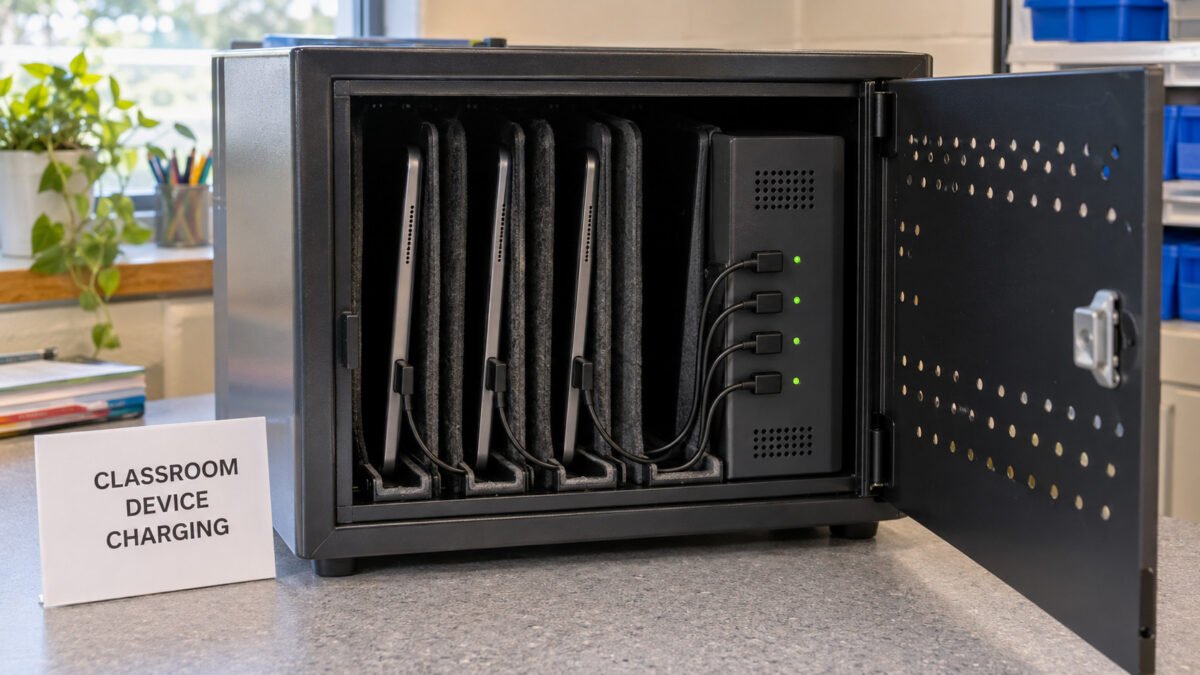
- Casos de uso típicos: salas de conferência, espaços de coworking, salas de aula e dormitórios, estações de carregamento para famílias, quiosques comerciais, assentos em portões de embarque de aeroportos e ambientes de hotelaria.
1.4 Projeto do Produto
Os parâmetros de projeto mecânico afetam a portabilidade, as opções de montagem, a durabilidade, o desempenho térmico e a conformidade com as normas regulamentares. Esses fatores devem ser avaliados juntamente com as especificações elétricas durante a seleção do SKU.
Tamanho
- As dimensões do carregador estão diretamente relacionadas à potência de saída, à densidade de componentes internos e aos requisitos de gerenciamento térmico. Projetos baseados em GaN podem melhorar a densidade de potência e viabilizar carregadores mais compactos, suportando frequências de comutação mais altas e reduzindo o tamanho de componentes passivos selecionados. A redução real do tamanho depende da arquitetura de energia e do projeto térmico. Os modelos de parede (com conexão direta) eliminam o cabo de alimentação CA para viagens, enquanto os modelos de mesa com cabos removíveis oferecem posicionamento flexível para unidades de maior potência.
Peso
- O peso varia de acordo com a potência nominal, o material da carcaça, o design do transformador interno e do dissipador de calor, o tipo de plugue e se a tecnologia GaN é utilizada. Carregadores de maior potência geralmente exigem componentes térmicos e elétricos maiores, embora os designs baseados em GaN possam atingir uma densidade de potência maior. O peso real depende da configuração específica do modelo e dos acessórios incluídos.
Habitação
- Os materiais da carcaça são normalmente PC (policarbonato) ou uma mistura de PC/ABS, selecionados por sua resistência à chama (classificação UL 94 V-0 em modelos selecionados), resistência ao impacto e desempenho térmico em altas temperaturas de operação.
- A norma IEC 62368-1 substituiu as normas IEC 60950-1 e IEC 60065 em muitos mercados aplicáveis, sujeita aos requisitos regulamentares locais e às edições aplicáveis.
- Os acabamentos de superfície incluem revestimentos foscos, brilhantes e com toque suave, com opções de personalização da marca, incluindo tampografia, gravação a laser e impressão UV disponíveis para pedidos OEM/ODM. Ferramentas personalizadas estão disponíveis mediante quantidades mínimas de pedido.
- As faixas típicas de temperatura de operação e armazenamento variam de acordo com o modelo e a aplicação. Alguns modelos estão disponíveis com faixas de operação como 0 °C a 40 °C sob carga nominal, enquanto modelos voltados para o setor industrial podem suportar faixas de temperatura mais amplas.
2. Seleção de Aplicativos
2.1 Carregador de Consumo
Os carregadores domésticos são projetados para usuários individuais em ambientes pessoais, de viagem e residenciais. O formato e a velocidade de carregamento são os principais critérios de seleção, juntamente com o design estético e a adequação da embalagem para os canais de varejo.
Compactar
- Os modelos compactos priorizam a portabilidade e a otimização do espaço, mantendo a capacidade de saída necessária para as aplicações pretendidas. O design dobrável do plugue em alguns modelos reduz a saliência quando guardado em bolsas ou bolsos, minimizando o risco de danos a outros itens. Os designs baseados em GaN podem fornecer maior densidade de potência, possibilitando carregadores compactos de 65 W em formatos menores. Esses carregadores são adequados para viagens, deslocamentos diários e uso ao lado da cama. As potências geralmente variam de 20 W a 65 W para os formatos compactos.
Carregamento rápido
- Os modelos de carregamento rápido suportam uma ampla gama de implementações de protocolo, incluindo USB PD, Qualcomm Quick Charge e protocolos específicos do fabricante em modelos selecionados. Esses carregadores negociam os níveis adequados de tensão e corrente com dispositivos compatíveis por meio de protocolos de carregamento suportados para permitir um carregamento mais rápido, mantendo a proteção e os limites térmicos necessários. O suporte a múltiplos protocolos reduz a complexidade de SKUs para os varejistas. A capacidade de carregamento rápido está disponível em configurações de porta única, porta dupla e múltiplas portas, sujeita à alocação total de energia.
Carregador profissional 2.2
Os carregadores profissionais são projetados para implantações comerciais, industriais e em espaços de trabalho compartilhados, onde a confiabilidade e a capacidade de conectar múltiplos dispositivos são priorizadas em relação ao tamanho reduzido. Essas unidades podem apresentar um design térmico aprimorado, componentes selecionados de alta qualidade e configurações adequadas aos requisitos de aquisição comercial.
Potência de saída
- Alguns modelos profissionais estão disponíveis com potências nominais de 65 W a 240 W, seja em saída por porta ou em saída total do sistema, dependendo da configuração do produto. Esses níveis de potência são adequados para carregar laptops, monitores portáteis, terminais de ponto de venda, equipamentos de teste, leitores de código de barras e dispositivos industriais portáteis. Alguns modelos oferecem perfis de tensão USB PD fixos para dispositivos que exigem entrada CC de maior potência. Recursos de gerenciamento térmico, como dissipadores de calor maiores e resfriamento controlado por ventoinha, estão disponíveis em alguns modelos de alta potência para suportar a operação sob carga nominal.
Suporte para múltiplos dispositivos
- Carregadores profissionais multiportas permitem o carregamento simultâneo de vários dispositivos em ambientes compartilhados. A linha de produtos oferece opções com 2 a mais de 10 portas, com configurações mistas de USB-A e USB-C para compatibilidade com conectores antigos e modernos. Em alguns modelos, a distribuição inteligente de energia aloca a potência dinamicamente com base nas necessidades dos dispositivos conectados. Essas unidades são ideais para uso em escritórios, estabelecimentos de hotelaria, instituições de ensino e outros ambientes institucionais. Estão disponíveis versões para mesa e rack para instalações fixas.
3. Recursos relacionados
- Soluções de carregador USB — Navegue pelo catálogo completo de produtos organizado por potência de saída, configuração de portas e categoria de aplicação.
- Guia de seleção de carregadores USB — Utilize a matriz de decisão estruturada para identificar modelos adequados com base na compatibilidade de dispositivos, requisitos de certificação regional, escala de implantação e necessidades de personalização.
Precisa de ajuda para escolher o carregador USB certo?
Seja para carregadores de consumo padrão, unidades multiportas profissionais ou configurações OEM personalizadas, nossa equipe pode ajudá-lo a especificar a solução ideal para sua aplicação. Desde tipos de plugues de entrada até perfis de potência de saída e personalização da marca, oferecemos suporte a projetos OEM/ODM com preços competitivos e quantidades mínimas de pedido flexíveis.