Why Did Apple Switch to USB-C? The EU Common Charger Rule
Why Did Apple Switch to USB-C? The EU Common Charger Rule
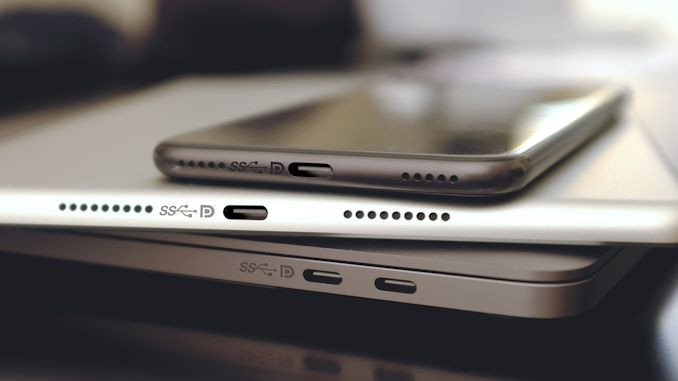
For more than a decade Apple kept Lightning on the iPhone while laptops, tablets, Android phones and even the iPad moved to USB-C. The iPhone 15 changed that in September 2023, and the iPhone 16 followed. The question worth asking is not whether USB-C is a better connector — it is why Apple held out for so long, and what finally ended the holdout.
The short answer is that the timing was set by regulation, not by a product decision.
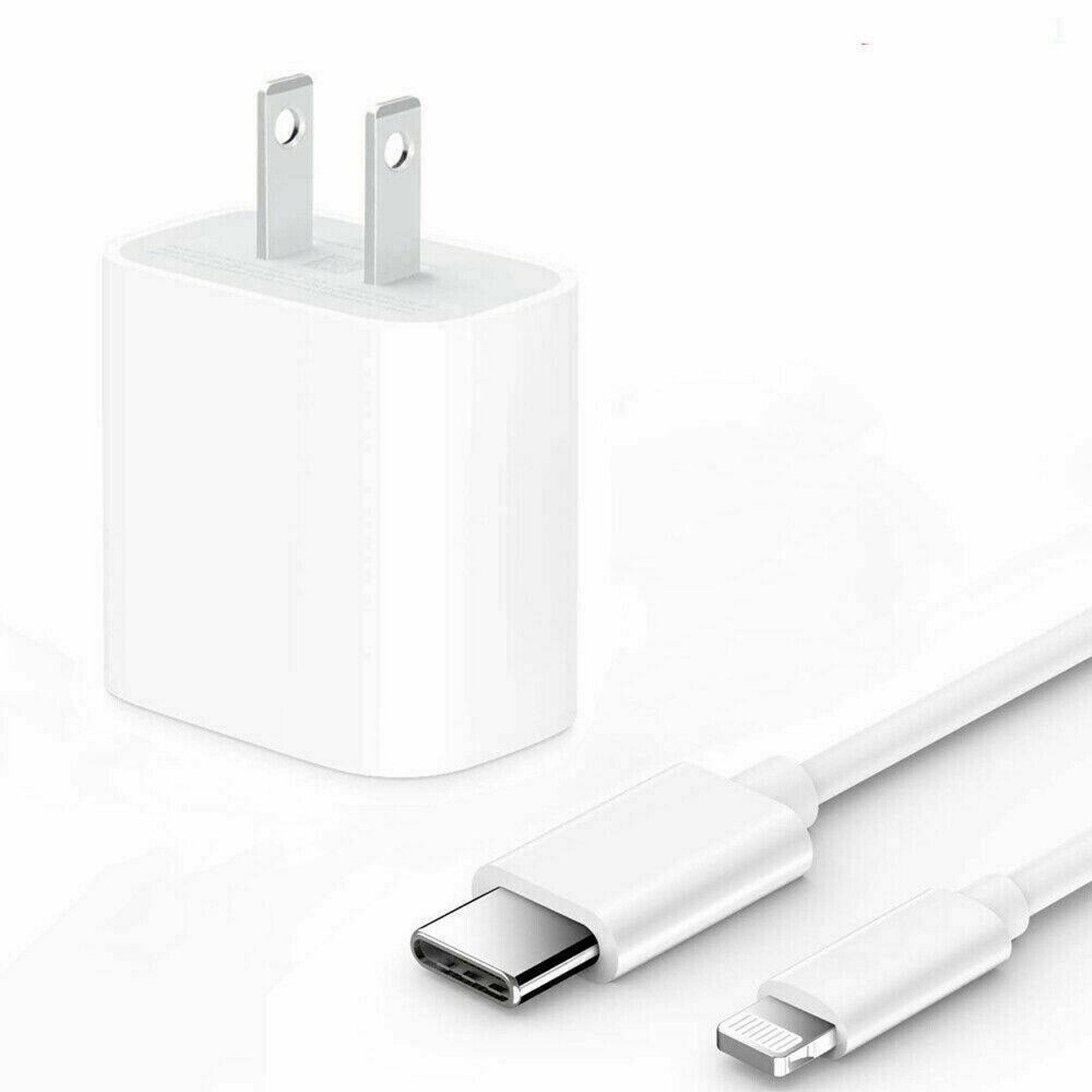
1. Why did Apple switch to USB-C? Not a voluntary move
Apple had a profitable reason to keep Lightning: most third-party Lightning accessories ran through a licensing program, and the port was a lock on the accessory market. USB-C ended that lock, which is why Apple argued for adapters and exemptions instead of switching early.
What changed the calculation was the European Union's Common Charger Rule. Once the rule was adopted, a proprietary port became a compliance problem in one of Apple's largest markets. The switch arrived with the model that had to comply.
What the EU Common Charger Rule actually requires
The regulation was adopted in 2022 and applies from 28 December 2024 to a defined list of devices:
- smartphones and tablets
- e-readers, cameras and handheld game consoles
- headphones, earbuds and portable speakers
- keyboards and mice
Laptops were added to the same framework later, with a deadline of 28 April 2026. Three requirements matter for buyers:
- A USB-C port for wired charging. This is the part Apple could not route around with an adapter in the box.
- USB Power Delivery for fast charging. Where a device charges faster than the 5V baseline, the protocol has to be PD, which is what lets a compliant charger from one brand fast-charge another brand's PD device.
- Charger optional. Sellers may ship a device without a power adapter, provided they offer one separately. Apple had already stopped bundling adapters with the iPhone 12 in 2020.
Note what the rule does not do: it does not fix a wattage, and it does not require a charger in the box. It requires the port and the protocol.
The problem it was written to solve
Before the rule, each brand had its own connector and its own fast-charging scheme. The practical results were predictable:
- Waste. A charger that only fits one device becomes obsolete when the device is replaced.
- Inconvenience. A household with an iPhone, an Android phone, a camera and a tablet needed three or four cables.
- Cost. Every new device meant another adapter, often at the brand's own price.
Does the iPhone 16 come with a charger?
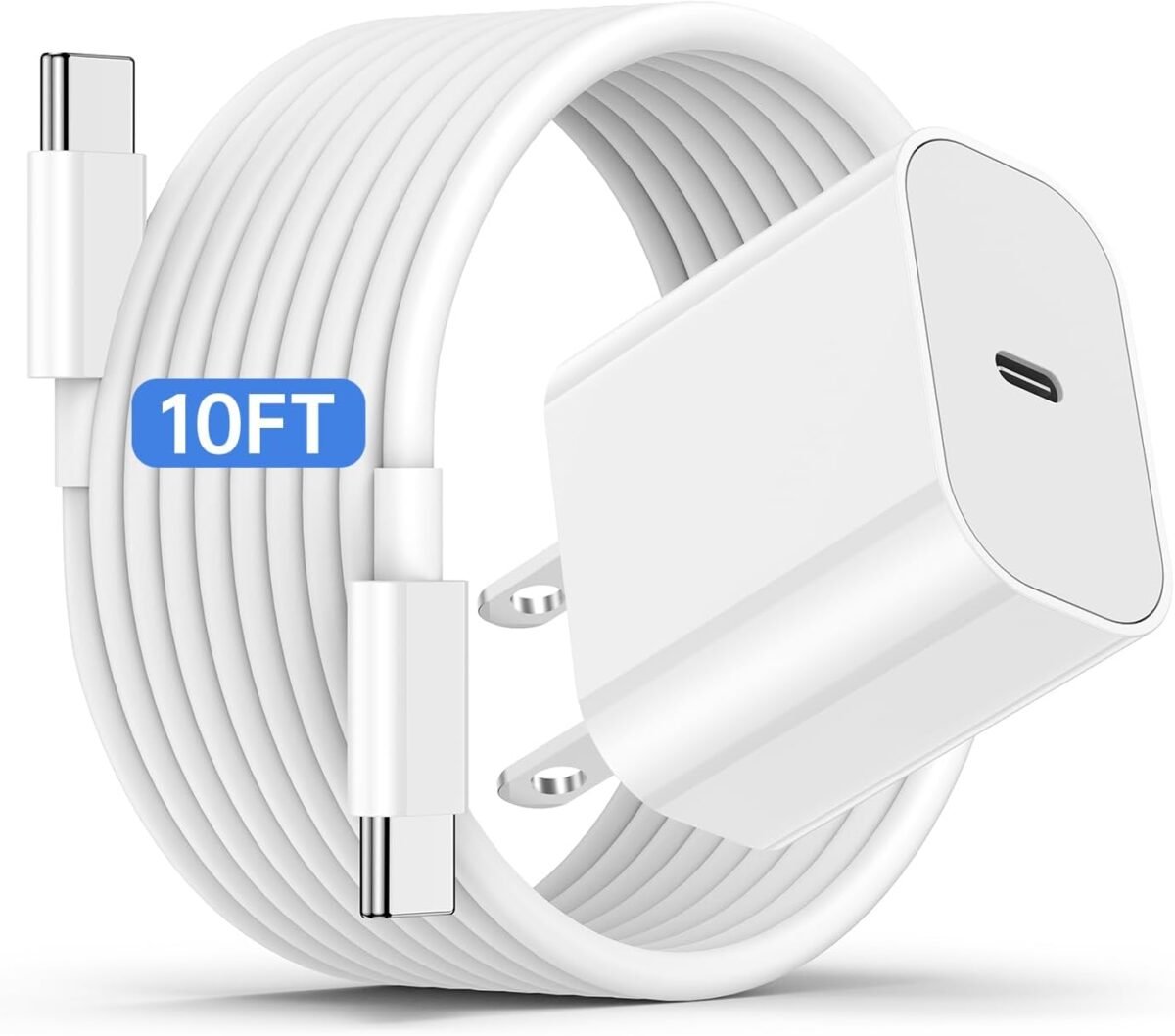
No. The iPhone 16 and 16 Plus ship with a USB-C to USB-C cable and no power adapter, which matches the unbundling the rule allows. The same applies to the iPhone 15 generation. A charger is a separate purchase, and the sections below cover what to look for.
2. What iPhone users gain from the switch
The gains are real, but they are smaller and more uneven than the launch coverage suggested. Two of them change what you should buy; the rest are convenience.
Faster data transfer — on Pro models only
Lightning ran at USB 2.0 speed: 480 Mbps. That was tolerable when phone photos were a few megabytes, and painful once ProRes video and full-device backups arrived.
USB-C did not fix that across the whole lineup. The iPhone 15 and 16 (non-Pro) still run USB 2.0 at 480 Mbps; only the Pro models carry USB 3.2 Gen 2 at 10 Gbps. That 10 Gbps link is roughly 20 times the Lightning rate, not the 80 times sometimes quoted, and it is what makes recording ProRes straight to an external SSD practical. For a normal user syncing photos, the cable change does nothing for speed.
Charging: the phone still sets the ceiling
This is the part most articles get wrong. The connector does not decide charging power; the phone's charging circuit does.
- An iPhone 15 or 16 draws roughly 20W from a compatible USB-C PD charger, with Pro Max bodies reaching into the high 20s.
- Late Lightning models already reached a similar level through a USB-C til Lightning-kabel, because the charger negotiated with the phone, not with the port.
So the move to USB-C did not unlock a new charging tier. What it changed is which cable you need: a C-to-C cable instead of a C-to-Lightning one. Apple's own figure for a 20W adapter is about 50% in 30 minutes, and that figure did not change with the connector.
Universell kompatibilitet
One cable now covers an iPhone, an iPad, a MacBook, most Android phones, a Nintendo Switch, a power bank and a USB-C car charger. For anyone who travels with more than one device, this is the benefit that shows up daily.
One port, more than power
USB-C on the iPhone also carries DisplayPort video, so the phone can drive a 4K monitor with a single adapter rather than a dongle chain. It accepts external DACs, Ethernet adapters and MIDI controllers, and on Pro models it can write video to an external SSD at USB 3 speed.
Cost and accessory choice
A charger bought for a laptop or an Android phone will charge an iPhone, and a USB-C cable is a commodity rather than a licensed accessory. The savings are incremental, but the choice is real: you are no longer limited to Apple's own cable or a certified Lightning alternative.
3. Choosing a charger for an iPhone 16
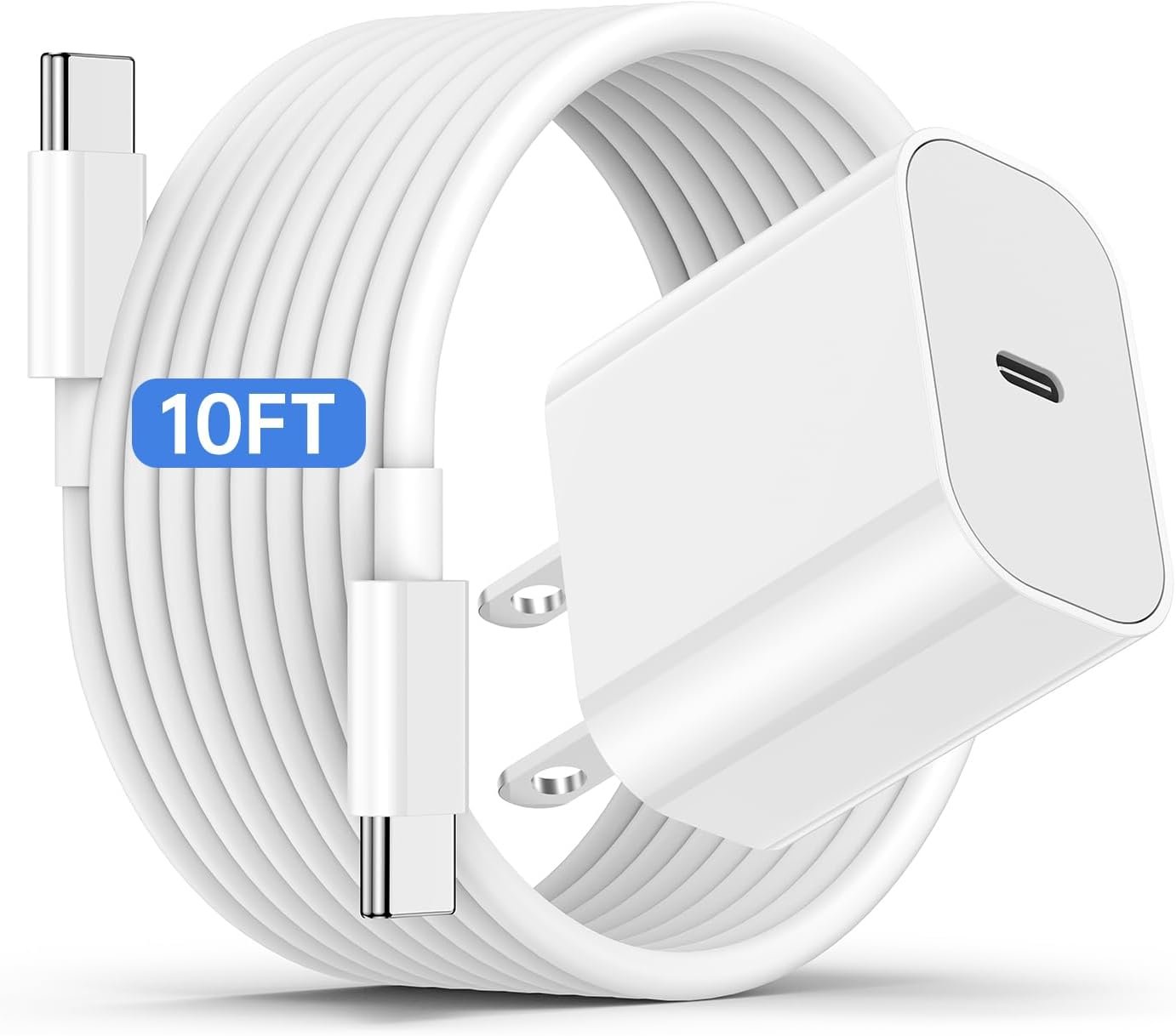
Since the box contains no adapter, the charger is a separate decision. Four checks settle it.
It has to speak USB Power Delivery
PD is the protocol iPhones use for fast charging. A USB-C charger without PD falls back to 5V and charges slowly. There is no separate "PD certification" badge to look for; PD compliance is tested under the USB-IF program, and reputable brands publish the result.
Wattage: 20W is enough, more is not harmful
- 20 W reaches Apple's fast-charging rate: about 50% in half an hour.
- 30 W adds headroom for an iPad or a MacBook Air from the same brick, and covers Pro Max peaks.
- 65W and above works, but the phone caps the draw, so the extra wattage sits unused. It is a waste of money for a phone-only purchase, not a risk.
The cable
- USB-C til USB-C is mandatory on iPhone 15 and later; a C-to-Lightning cable will not fit.
- For charging, any compliant C-to-C cable is fine. A 60W (3A) cable covers the phone's draw without an E-Marker; 5A cables matter for laptops, not iPhones.
- For data on a Pro model, look for a USB 3-rated cable. A charge-only cable has no data pair at all, and a USB 2.0 cable caps the link at 480 Mbps.
- MFi does not apply. That program covers Lightning accessories, not USB-C cables. A USB-C cable is judged against the USB-C specification and USB-IF certification, not an Apple licence.
Safety and certification
A compliant adapter carries over-current, over-voltage, short-circuit and over-temperature protection, plus the marks the destination market requires — CE for the EU, FCC for the US, and UL or an equivalent safety report where the buyer asks for it. GaN designs run cooler and smaller at the same wattage, which matters most in the 30W to 65W range.
WJW builds USB-C PD and GaN chargers for OEM and ODM programs, in the 20W to 100W range that covers phones, tablets and thin laptops. The cable can be specified in the same order, so the plug, the protocol and the packaging arrive matched.
If the target market is the EU, the compliance file is the first item to confirm rather than the last. Send the device, the destination market and the order quantity, and the wattage, certification and bundle can be fixed from there.