Charger Types Compared: 9 Options and When to Use Each
Charger Types Compared: 9 Options and When to Use Each
Chargers have multiplied alongside the devices they serve. A drawer that once held a single wall adapter now holds a wireless pad, a car charger, a battery pack, and something with three ports on it. The nine charger types below cover what each category is actually for, so the choice comes down to how and where a device gets charged rather than to a wattage figure on a box.
1. Understanding Different Types of Chargers
Knowing which charger fits a given routine is harder than it sounds, because the same phone can be served well by three different products depending on where it spends its day. Someone who works at a desk all week needs something different from someone who drives between sites, even when the phone is identical.
None of the nine categories below is better than the others in general. Each solves a particular situation, and most households end up with two or three of them rather than one. The order runs from the type most people already own to the type that replaces several others at once.
2. iPhone Chargers
The plain wall adapter remains the most common charger in use. A phone is charged daily and rarely sits idle long enough to justify a specialized solution, so one compact adapter covers most of the need.
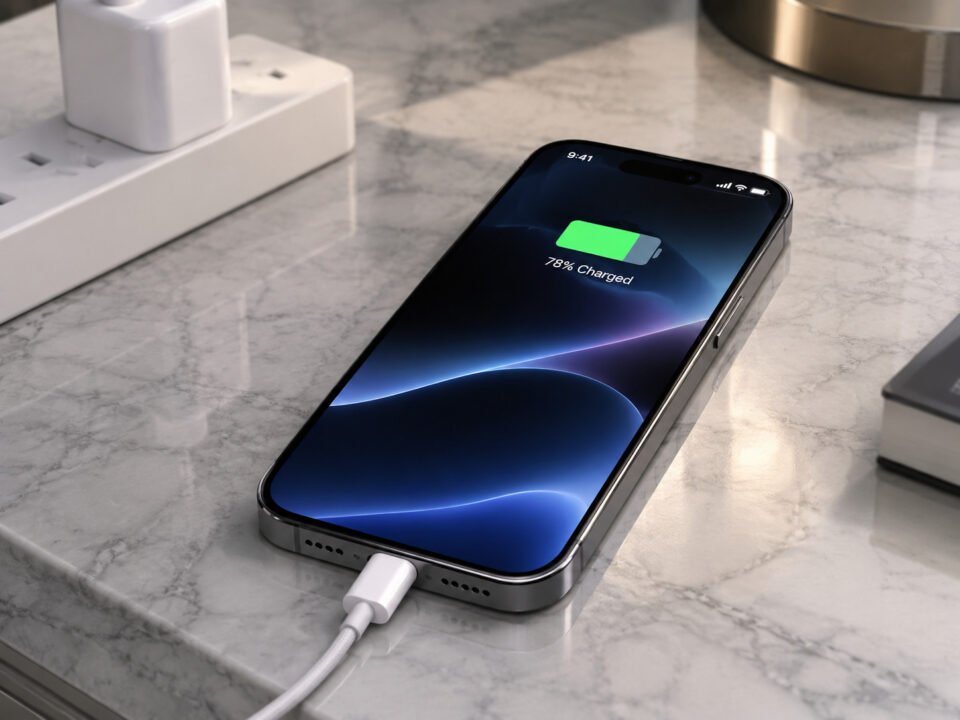
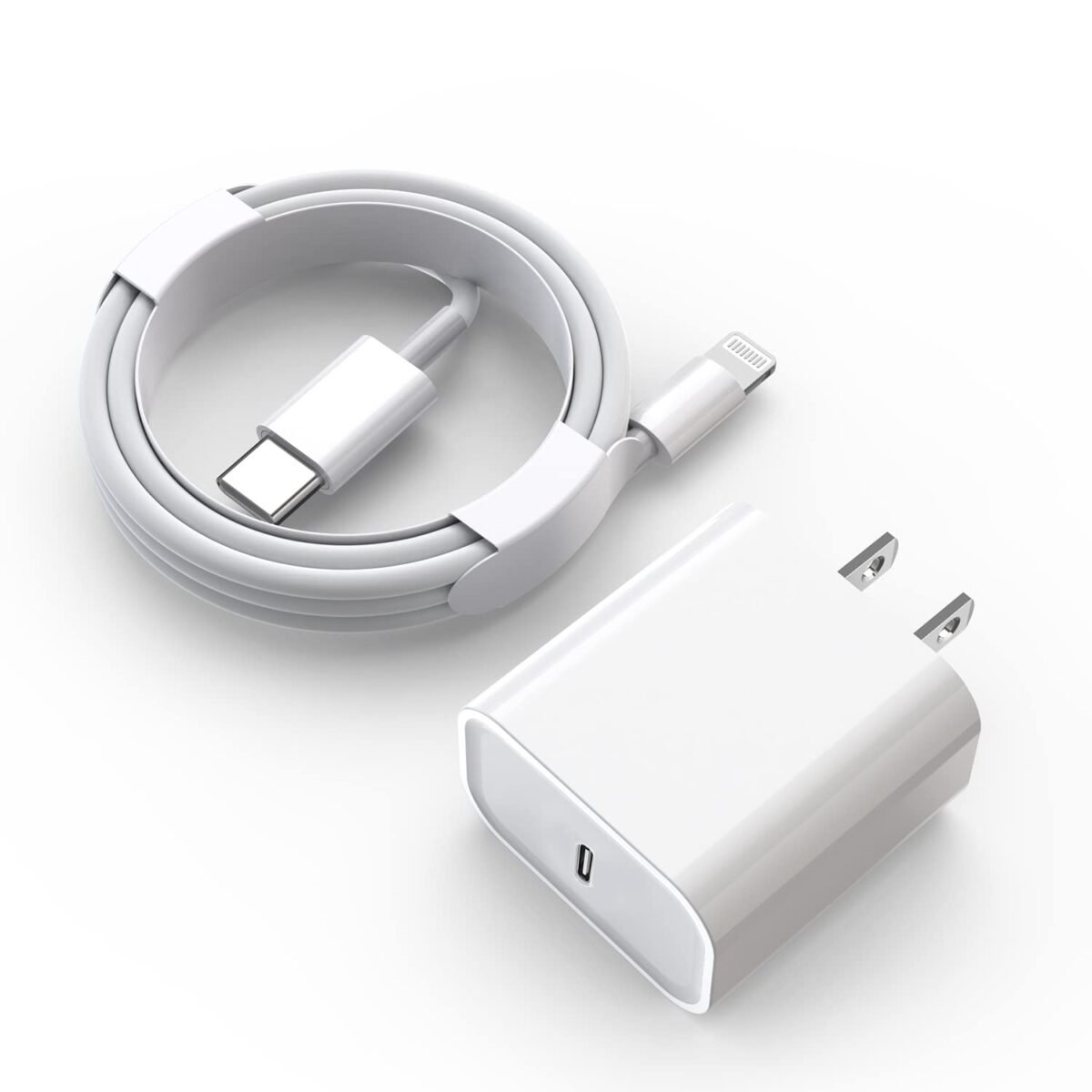
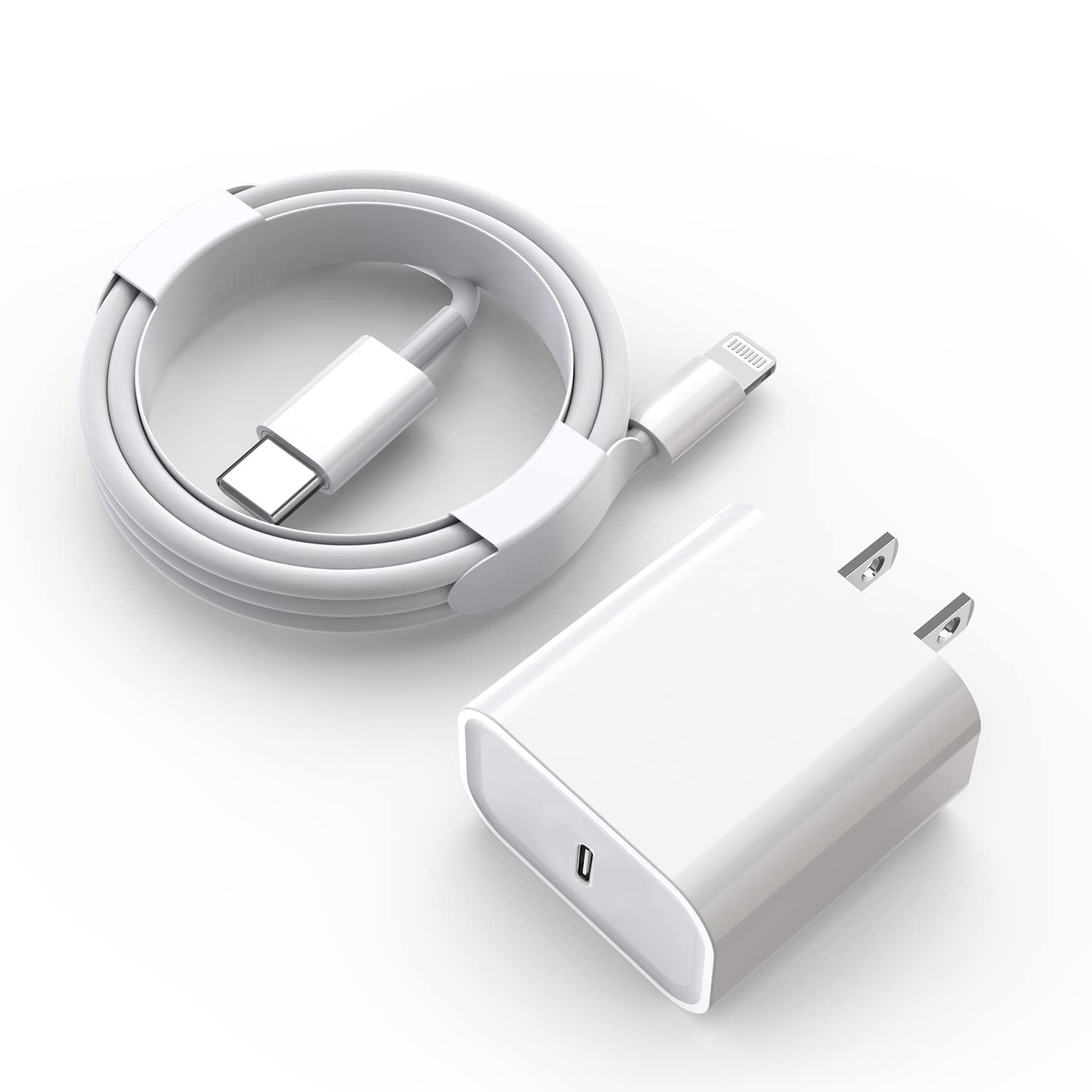
An iPhone wall charger is judged on two things: whether it supports USB Power Delivery, and whether its cable matches the port on the phone. Models from the iPhone 8 onward negotiate PD, and they charge fastest from a USB-C adapter paired with a C-to-Lightning or C-to-C cable depending on the model year. A 20W adapter brings a recent iPhone to roughly half charge in about half an hour; the 5W adapter from an older kit takes several times as long for the same result.
3. Android Chargers
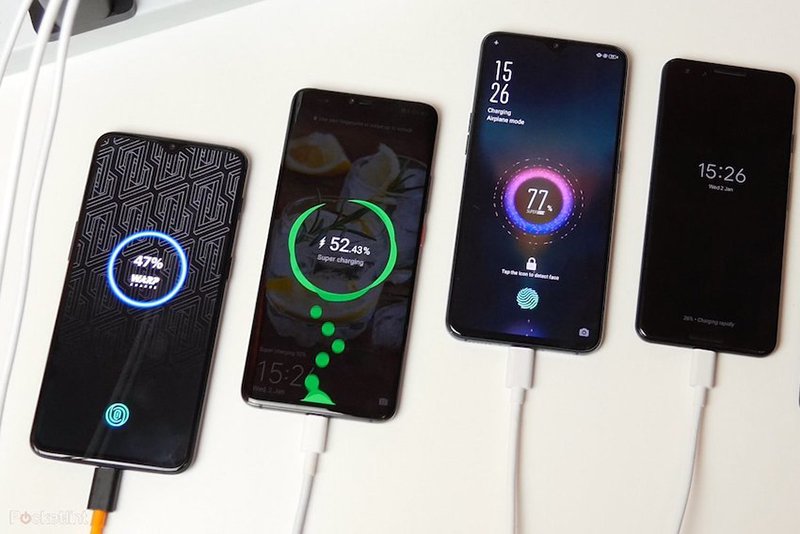
Android phones spread across a wider range of charging methods than iPhones do. A model may use USB Power Delivery, a vendor protocol carried over USB-A, or a program such as Quick Charge that runs on the data pins. The adapter has to match the protocol the phone actually speaks, not just the shape of the plug.
A USB-C adapter that supports PD and PPS covers the largest share of current Android models, including the fast-charging modes tied to PPS. An adapter with a fixed 5V output, or one that claims fast charging without naming a protocol, usually settles into standard-speed charging even though the connector fits.

4. Wireless/MagSafe Chargers
A wireless charger removes the cable from the routine: the phone goes face-up on a pad and charging begins. The convenience carries a cost in efficiency, because energy is lost across the coil gap, and the phone runs warmer than it would on a cable.
MagSafe is a magnetic variant of the same idea, with a ring of magnets that aligns the coil and holds the phone in place. Alignment is the point, since a coil that sits off-center wastes power and heats up, and the same magnets allow stand-style designs that hold the phone upright while it charges. Wireless charging stays slower than wired on most phones, so a pad works best as a top-up between cable charges rather than as the only way to charge.

5. Magnetic Power Banks
A magnetic power bank attaches to the back of a phone and charges it without a cable, which makes it useful away from an outlet. Capacity matters less than how much of it reaches the phone: a 10,000mAh pack with wireless output loses a meaningful share of that energy across the coil, so the usable total is lower than the number on the shell.
Two features separate a working pack from a decorative one. The first is whether it also accepts a cable, since wired charging transfers more energy and can refill the pack itself. The second is whether the magnet holds under movement, because a pack that shifts while walking breaks contact and quietly stops charging.

6. Portable Phone Chargers
Portable chargers split into two families that are often confused. One is the battery pack, which stores energy and needs no outlet at all. The other is a compact wall adapter built for travel, which is portable in the sense of fitting into a bag but still needs mains power.
Both are judged on size and port count rather than on raw wattage. A multi-port travel adapter with folding prongs replaces several single-port bricks, and one that accepts 100–240V works across regions without a converter. The trade-off is heat: a small body running at high output has less surface area to dissipate it, so the ports share the total rather than adding to it.

7. Car Chargers
A car charger draws from the 12V socket in the dashboard, the same socket that once held a cigarette lighter. It is not the charger most people use daily, but it covers the case where the phone missed an overnight charge and the drive is long enough to matter.
Port count matters more here than in any other category, since a passenger may want to charge at the same time. A unit with one USB-C and one USB-A port covers both a current phone and an older accessory. Read the total output rather than the per-port maximum: a 65W charger with both ports occupied typically splits that figure, so each device receives less than the label suggests.

8. USB-C Chargers
USB-C has become the default port on phones, tablets, earbud cases, and laptops. A single USB-C adapter can serve all of them because the device and the charger negotiate voltage and current before power flows, rather than the brick pushing a fixed output and leaving the device to cope.
The practical choice is wattage with headroom. A 30W adapter covers phones and tablets; a 65W unit adds most thin laptops; a 100W unit covers larger laptops and can charge two devices at once. The cable matters as much as the charger, since a cable without the right rating caps the agreement no matter what the adapter can supply.

9. Fast Chargers
Fast charging is less a separate product category than a property the other eight types may or may not have. The term describes an adapter that negotiates a higher voltage or current than the 5V baseline, and the resulting speed depends on what the device is willing to accept.
The gain is largest at low battery and tapers as the cell fills, so a phone that reaches half charge in half an hour does not reach full in an hour. That is why an advertised peak figure describes a short window rather than the whole charge, and why two adapters with the same rating can finish at noticeably different times.

10. Charging Stations
A charging station consolidates several chargers into one body, usually combining USB ports with AC outlets and sometimes a built-in cable. It suits a fixed location such as a desk, a nightstand, or an entryway, where several devices are charged regularly and the wall outlets are already spoken for.
Two specifications matter beyond port count. The first is total output and how it divides when every port is occupied. The second is protection, because a station puts several devices on one power path: surge protection guards them from a spike, and a resettable breaker on the better units adds a way to recover without a replacement fuse. Physical footprint deserves attention as well, since the point is to remove clutter rather than relocate it.

11. Picking the Right Charger
Choosing comes down to the situations a device is charged in rather than to review scores. A phone that spends the day at a desk and the night on a nightstand needs one adapter and one pad; a phone that travels needs a compact multi-port adapter and a battery pack.
Before buying, answer three questions: where the charging happens, how many devices need to charge at the same time, and whether the phone depends on a particular protocol such as PPS or Quick Charge. Those answers eliminate most of the market, and what remains can be compared on output table, port splitting, and certification rather than on appearance.
The nine types overlap more than a list makes them look. A 65W USB-C adapter with two ports covers a laptop and a phone at a desk, and the same unit doubles as a travel charger if the prongs fold. What separates one type from another is mostly where the power comes from and how many devices need it at once.
The cable is the part of the chain most often left out of the comparison. A charger rated for 65W reaches that figure only through a cable rated for the current, and an older or thinner cable silently caps the agreement at a lower level. Matching the two is what lets any of the nine types perform as advertised.