

Can You Charge a Phone with a Laptop Charger?
Can You Charge a Phone with a Laptop Charger?
With smartphones becoming an essential part of everyday life, keeping them charged is important. However, carrying separate chargers for a phone and laptop can be inconvenient, especially when traveling or working away from home.
This raises a common question: Can you charge a phone with a laptop charger?
The short answer is yes, in most cases. A compatible USB-C laptop charger can safely charge a smartphone, even if its maximum power rating is much higher than the phone requires.
However, the charging port, power delivery protocol, cable, and phone specifications all matter.
Let's look at how phone charging works, the differences between phone and laptop chargers, and how to use them interchangeably.
1. Understanding the Charging Process
Before discussing whether a laptop charger can charge a phone, it helps to understand how the charging process works.
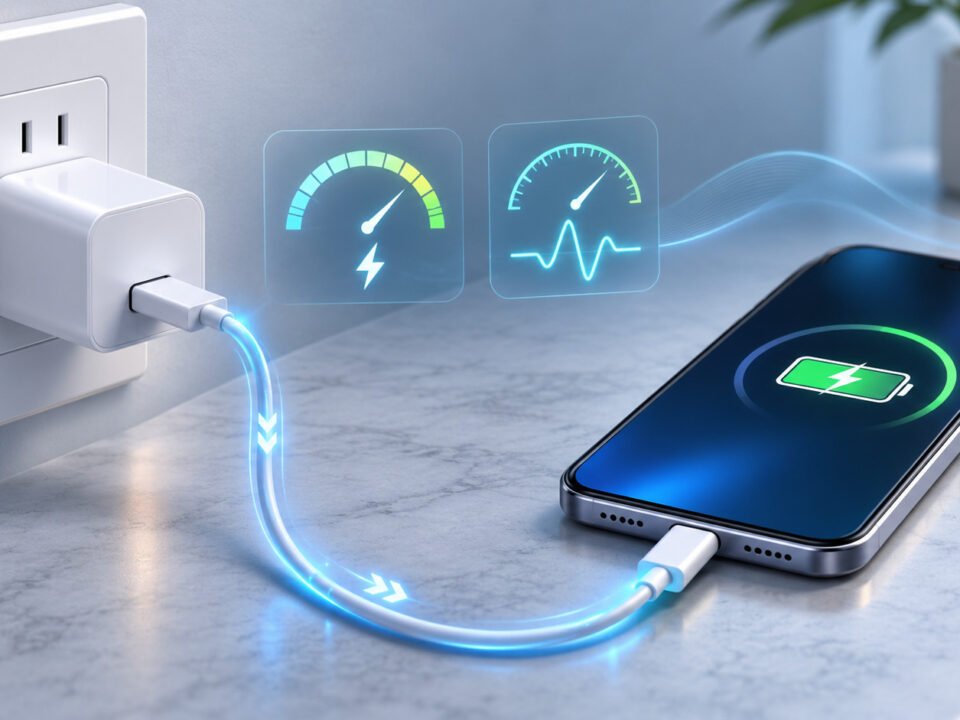
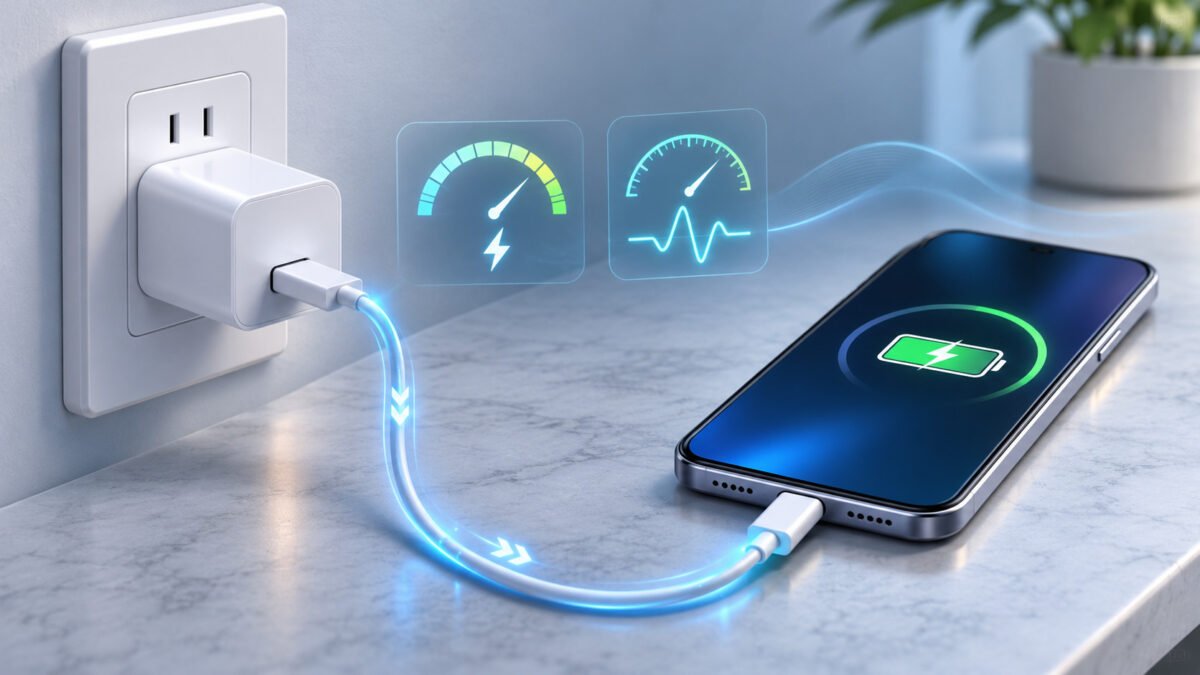
A charger converts AC electricity from a wall outlet into regulated DC power that a connected device can use. The charging system then supplies the voltage and current required by the device.
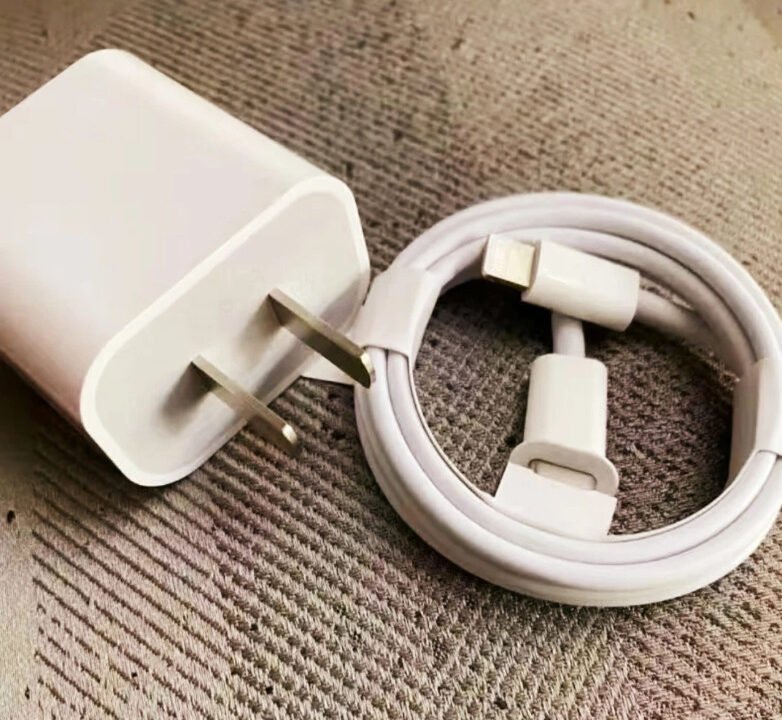
A typical USB charging setup consists of three main components:
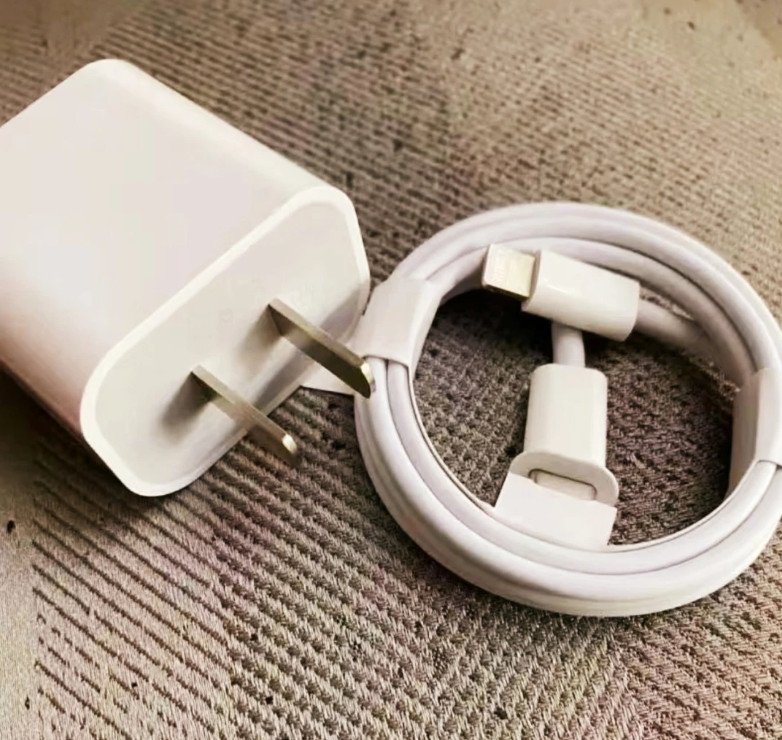
- Power adapter: Converts electricity from the wall outlet into a suitable DC output.
- USB cable: Connects the charger to the phone and carries electrical power.
- Charging circuit: Manages the incoming power and controls how the phone's battery is charged.
Modern USB-C chargers can use USB Power Delivery (USB PD) to negotiate an appropriate power level with compatible devices.
For example, a USB-C laptop charger may advertise several output profiles, such as 5V, 9V, 15V, and 20V. When a compatible phone is connected, it requests a supported power configuration rather than automatically receiving the charger's maximum output.
This allows one USB-C PD charger to serve devices with different power requirements.
2. Comparing Phone Chargers and Laptop Chargers
Phone chargers and laptop chargers are designed for different power requirements.
A typical smartphone charger may provide 5V or higher USB charging profiles, depending on its charging technology. Laptop chargers generally offer higher output power to support the computer's operation and battery charging.
However, modern USB-C laptop chargers and smartphone chargers can use the same USB Power Delivery standard.
2.1 Phone Charger vs. Laptop Charger
| Feature | Phone Charger | Laptop Charger |
|---|---|---|
| Typical Power Range | Varies by model, commonly 5W–30W, with higher-power models available | 45W–100W or higher |
| Common Connector | USB-A or USB-C | USB-C or proprietary DC connector |
| Charging Protocol | USB PD, PPS, QC or other device-specific protocols | USB PD or proprietary charging systems |
| Main Application | Smartphones and portable accessories | Laptops and compatible portable devices |
| Output Power | Generally lower | Generally higher |
The most important difference is not simply voltage or current. It is how the charger communicates with and supplies power to the connected device.
2.2 Why Can a Laptop Charger Charge a Phone?
A compatible USB-C PD laptop charger does not continuously output its maximum rated voltage and wattage.
Instead, the charger and phone negotiate a supported power configuration.
For example:
| Charger | Phone Requirement | Expected Result |
|---|---|---|
| 45W USB-C PD Charger | 20W | Can supply up to the phone's supported charging level |
| 65W USB-C PD Charger | 25W | Can supply up to the phone's supported charging level |
| 100W USB-C PD Charger | 30W | Can supply up to the phone's supported charging level |
These examples assume compatible charging protocols, output profiles, and cables. Actual charging power depends on the phone's charging system.
A 65W charger does not force 65W into a phone designed for 25W charging. The phone controls how much power it accepts within the negotiated charging arrangement.
This is why a higher-wattage USB-C PD charger can be used with many lower-power smartphones.
However, the charger's maximum wattage alone does not guarantee compatibility with every phone's proprietary fast-charging technology.
3. Using Phone and Laptop Adapters Interchangeably
Using a laptop charger to charge a phone is generally straightforward when both devices support compatible USB-C Power Delivery charging.
There are also other ways to use a laptop as a power source for a smartphone.
3.1 Using a USB-C Laptop Charger
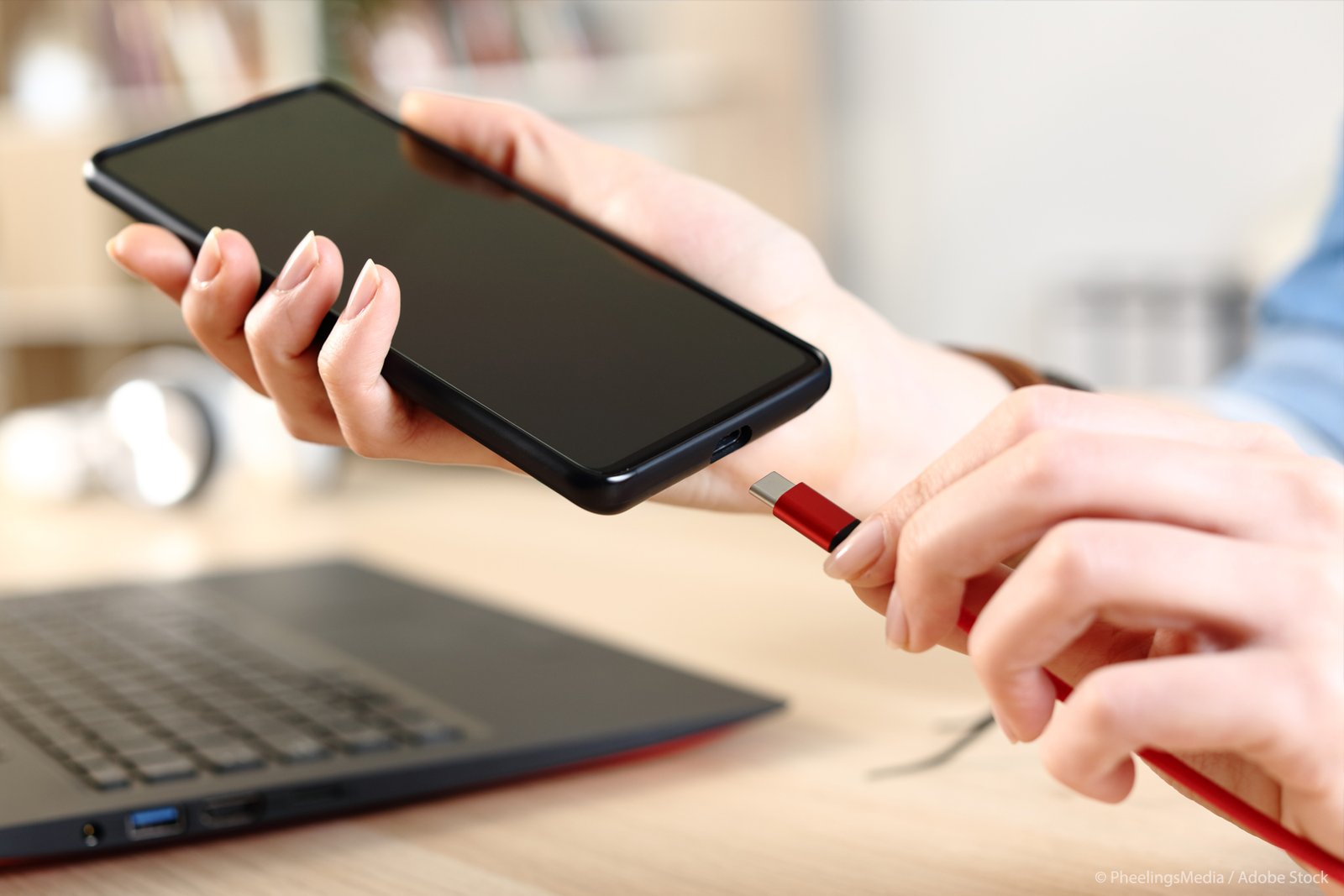
If your laptop charger has a USB-C output and supports USB Power Delivery (USB PD), you can generally connect it directly to a compatible phone using a suitable USB-C cable.
The phone and charger negotiate an appropriate charging configuration.
For example, a 65W USB-C PD laptop charger can charge a smartphone that supports 20W or 30W charging without forcing the phone to draw the full 65W.
This is particularly convenient when traveling because one charger can serve multiple devices.
3.2 Charging a Phone Through a Laptop's USB Port
Another option is to connect your phone directly to a laptop's USB-A or USB-C port.
In this situation, the laptop acts as the power source.
The charging speed depends on the laptop's USB port specifications and supported charging functions.
Some laptops provide standard USB power, while others offer enhanced charging capabilities through designated ports.
Some laptops support higher-power output through designated USB ports, but the available charging power depends on the port specifications, laptop power settings, and whether the computer is running or in standby mode.
Charging through a laptop's USB port may therefore be slower than using a dedicated wall charger.
This method is convenient when a wall outlet is unavailable, although charging performance varies between laptop models.
3.3 Using a Multi-Port USB Charger
A multi-port USB charger is another practical solution for people who regularly charge several devices.
For example, a multi-port charger with USB-C PD and USB-A outputs can support a compatible laptop, smartphone, and other accessories from one wall outlet.
However, the total power may be shared between active ports.
Before using a multi-port charger, check:
- Total rated output power.
- Individual USB-C and USB-A port ratings.
- Supported PD and PPS charging profiles.
- Power distribution when multiple devices are connected.
- Cable compatibility.
The available power for each device depends on the charger's specific power-allocation design.
3.4 Important Compatibility Considerations
Although USB-C laptop chargers can charge many smartphones, there are some situations where direct compatibility should not be assumed.
- Connector compatibility: The charger and phone must have compatible connection interfaces. A suitable cable or adapter may be required.
- Charging protocol: USB PD, PPS, and proprietary fast-charging technologies have different compatibility requirements. A USB PD charger may charge a phone without providing its maximum proprietary fast-charging speed.
- Cable specifications: The cable must support the required charging current and power level. For higher-power USB-C applications, appropriate cable ratings and E-Marker requirements should be checked.
- Charger quality: Use a properly designed charger from a reliable manufacturer with appropriate safety and regulatory compliance.
- Traditional laptop adapters: Older laptop power supplies with proprietary barrel connectors are not interchangeable with USB-C phone chargers. Do not connect a phone directly to these outputs. Use a properly designed USB charging output instead.
4. Conclusion
Yes, you can charge a phone with a laptop charger, provided the charger and phone support compatible charging methods.
Modern USB-C Power Delivery technology makes it possible for one charger to supply different power levels according to the connected device's requirements.
A 45W, 65W, or even 100W USB-C PD charger can charge a compatible smartphone without automatically delivering its maximum rated power.
However, charging performance depends on the phone's supported protocols, charger output profiles, and cable specifications.
If you regularly use multiple electronic devices, a compatible USB-C PD charger or multi-port charger can be a convenient way to reduce the number of adapters you need to carry.