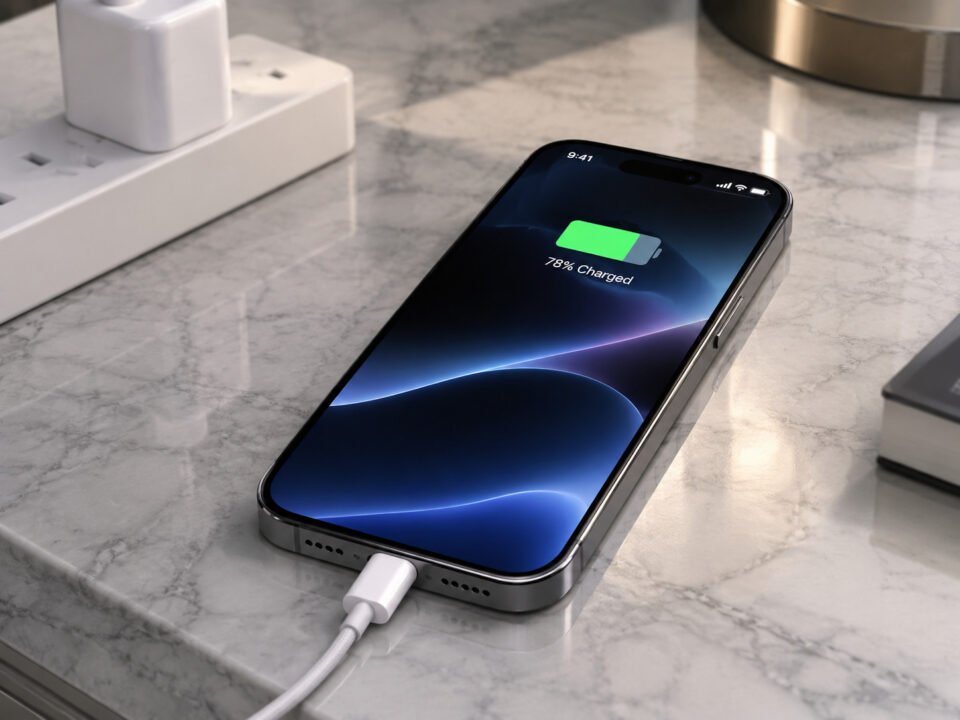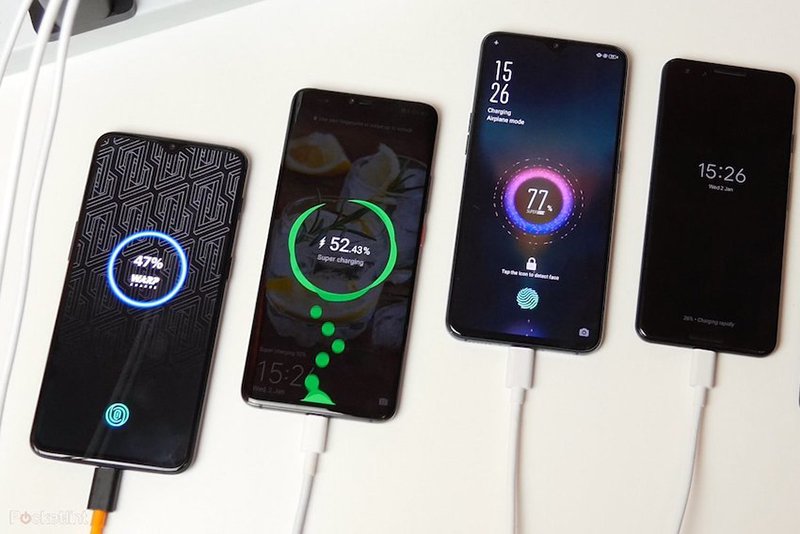


30W vs 45W Charger: Which One Should You Buy?
30W vs 45W Charger: Which One Should You Buy?
Fast charging is now standard on phones, tablets, and thin laptops, and the wattage question has moved from "does it charge quickly" to "which size the job actually needs". The 30W vs 45W charger decision comes down to what travels with you: a phone or a tablet alone is served by 30W, while a laptop changes the answer to 45W. The sections below compare the two on port layout, real-world power splits, and the device categories each one serves.

1. Which Charger Is More Suitable, 30W or 45W?
The goal is not the biggest number on the label. It is the smallest charger that covers each device in the bag without running at its ceiling all day.
1. Power Output Varies by Port Configuration
30W charger
- USB-C only: the full 30W goes to a single device, which is enough for phone and tablet fast charging.
- USB-C and USB-A, one port in use: the USB-C port still delivers 30W.
- Both ports in use: total output stays capped at 30W, and a typical split is 20W on USB-C plus 10W on USB-A. Per-port performance drops noticeably.
45W charger
- USB-C only: the full 45W goes to one device, including a thin laptop.
- USB-C and USB-A, one port in use: USB-C delivers 45W on its own.
- Both ports in use: the total remains 45W, with a typical split of 30W on USB-C plus 15W on USB-A, which keeps multi-device charging practical.
Those splits are set by each charger's design rather than by the USB standard, so the printed label matters more than the port count. A dual-port 30W unit and a dual-port 45W unit can both list two ports and behave very differently once the second cable goes in.
2. Why a 45W Unit Is Worth More Than a 30W One
- Full-scenario coverage: it handles the 30W phone case and the laptop case with the same brick.
- Headroom for later devices: folding phones, tablets with desktop modes, and higher-draw accessories often sit closer to 45W than to 30W.
- Better dual-port behavior: with both ports loaded, a 45W charger can still give a phone 30W, while a 30W charger leaves it at 20W.
The gap matters most when two devices charge at once. That is also when a 30W unit runs closest to its limit, which brings the thermal question into play.
3. Why Dual Ports Beat a Single Port
Compatibility. A USB-A port still speaks Quick Charge, FCP, and the older protocols that budget phones, accessories, and headphones expect. A USB-C port speaks USB Power Delivery, which is what laptops, tablets, and the Switch negotiate.
One charger instead of two. A single-port unit forces an adapter or a second charger for the legacy device. A dual-port unit covers both without unplugging anything.
When the budget allows it, the 45W dual-port model covers more cases than either alternative, because it keeps power in reserve while serving two devices.
2. Why Do Phones Top Out at 30W While Laptops Need 45W?
Phone and tablet charging usually works in the 5V to 12V range, and 30W is enough to reach fast-charge rates on mainstream models. Their peak draw generally lands between 20W and 30W, so a 30W charger covers that case with margin. In practice 30W looks like 15V at 2A or 20V at 1.5A, and a 9V rail at 3A gives 27W rather than a full 30W.
Laptops follow different logic. Most thin-and-light models want at least 45W, which is 20V at 2.25A, to run and charge at the same time.
1. Higher voltage and sustained current. Laptop batteries operate between roughly 12V and 20V, and that rail is negotiated through USB-PD. A 30W charger can offer 20V, but only at 1.5A, which is thin for a machine that draws power continuously under load.
2. Long-term full-load operation. A 30W charger pushed to supply a laptop runs at its ceiling for hours. That raises internal temperature, ages the capacitors faster, and leaves no margin for a hot room or a poorly ventilated outlet.
3. Slower charging. A 30W supply can hold a laptop at idle, but the battery fills at a fraction of the rate the original adapter manages, and the shortfall shows up during a working day rather than overnight.
A 30W charger therefore does not match the voltage and current profile a laptop asks for. The result is slower charging, and sustained full-load operation that shortens the charger's own life.

3. Will a 45W Charger Damage Your Phone?
No. A higher-wattage charger does not push power into a phone. Modern protocols such as USB-PD and Quick Charge work by negotiation: the phone and the charger exchange the voltage and current steps they both support, and the phone draws only the profile it was designed for. A 45W charger connected to a phone that caps at 20W settles at 20W.
The battery management system adds a second layer. It limits charging current as the cell fills and as temperature rises, so the charger's ceiling is rarely the deciding factor.
The real risk sits at the other end of the market. An uncertified charger can produce unstable voltage, skip the negotiation steps, or omit the protections that a certified unit includes. Checking for USB-PD 3.0 with PPS on the label is a more useful test than checking the wattage.
4. Which One Should You Buy?
A 30W charger was once enough for fast charging. Multi-device use and higher-draw portable devices have moved the practical baseline, and a 45W unit covers both cases without adding weight that matters.
For single-device charging, 30W keeps the adapter small and the cost low. For a bag that holds a laptop alongside a phone, the extra 15W buys headroom, better dual-port splits, and a charger that is not running flat out.
Chargers in both ratings are built around the PDO list a device actually negotiates, with thermal design and port allocation set by the target market rather than by the headline wattage.