140W vs 100W Charger: How Much Power Do You Need?
140W vs 100W Charger: How Much Power Do You Need?
A 100W charger already sounds like a lot.
For a single laptop and a phone, it usually is. USB-C Power Delivery at 100W covers most thin laptops, tablets, handheld consoles, and phones, provided the cable is rated for the current the device asks for.
Then 140W chargers became common, and the question changed: is the extra 40W worth paying for, or is it just a bigger number on the box?
The answer depends less on the number than on two things — how many devices are plugged in at once, and what the largest one draws under load. A laptop that caps at 65W will not notice either charger.
Where the difference shows is flexibility: a heavier laptop, several devices sharing one outlet, or a travel bag that would otherwise carry three adapters.
Wattage buys headroom, not speed, in most cases.
1. Why Wattage Matters More for Laptops Than Phones
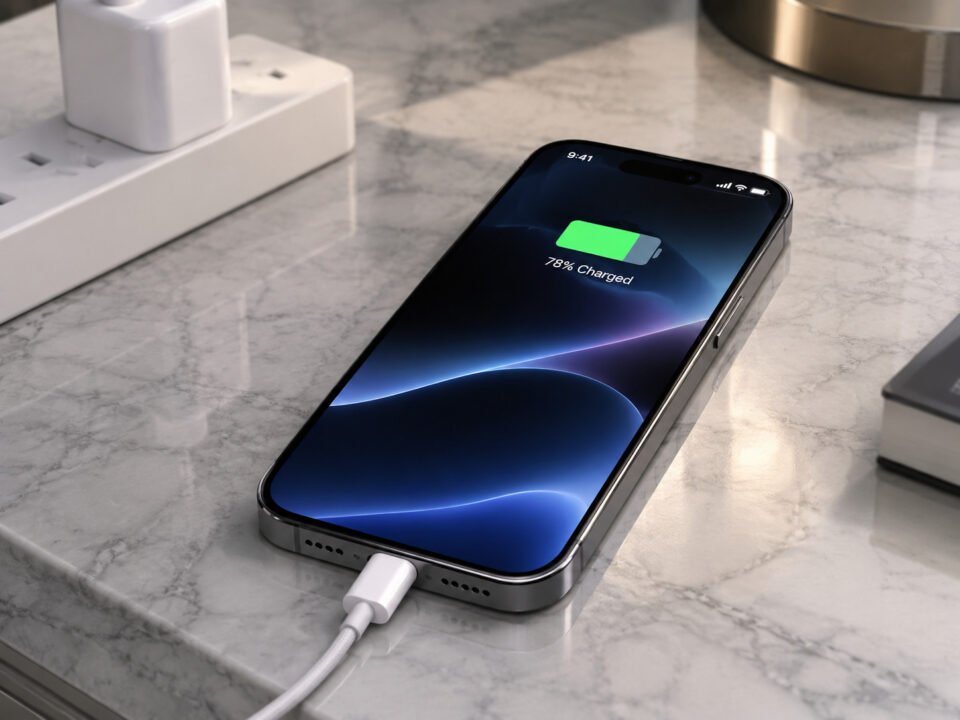
Phones rarely need 140W.
Most phones cap their intake well below that, and a higher-rated charger does not push more power into a device than the device asks for. A 140W unit charging a phone that accepts 25W delivers 25W, not 140W.
Laptops behave differently.
A laptop battery is larger, and the charger does more than refill it. While rendering, running video calls, driving an external display, or keeping a dozen browser tabs open, the adapter supplies the working load first and sends only the surplus to the battery.
This is where the rating matters. A 65W adapter under a 90W load may hold the battery level without charging it, or slowly drain it. A 100W adapter covers the same load with 10W left over. A 140W adapter covers it and still charges at a useful rate.
USB Power Delivery reached these levels by raising voltage rather than current. Standard power range tops out at 20V at 5A, which is 100W. Extended Power Range adds fixed steps at 28V, 36V, and 48V, still at 5A, which is where 140W, 180W, and 240W come from. Current stays at 5A either way, so the difference is not the thickness of the copper but the voltage rating of the cable: a 100W cable is built for 20V, while EPR needs one rated for 50V.
For a phone, 140W is wasted. For a laptop under load, it is headroom that turns into charging speed.
2. When a 100W Charger Is Enough
If the setup is one USB-C laptop and a phone, 100W is usually the right size.
Many work laptops draw 45W to 65W in normal use and charge comfortably from a 100W adapter. Tablets, handheld consoles, and phones sit far below that. A charger working at half its rating typically runs cooler than one pushed to its ceiling, which also means quieter operation in a fan-cooled design.
It also suits setups where devices are charged one at a time. If the laptop charges overnight and the phone charges at a desk, the two never compete for the same watts.
Travel is the other common case. A 100W GaN adapter is smaller and lighter than a 140W unit and still replaces a laptop's barrel adapter, often the bulkiest item in the bag.
The deciding factor is the laptop's rated input, printed on its original adapter or in its specifications. If it asks for 65W or 100W, a 100W charger meets it. If it asks for 140W, this is where 100W stops being enough.
100W is not a compromise. It is simply sized for one device at a time.

3. When a 140W Charger Makes More Sense
140W earns its price when the total load is heavier than one laptop.
That can be a laptop rated at 140W, or a 100W laptop sharing the brick with a tablet, a phone, a watch, and earbuds. The second case is more common: the laptop alone would sit fine on 100W, but not with four other devices attached.
It also suits people who work in more than one place. The same charger covers a desk at home, a shared office, and a hotel room, and the port count replaces a pouch of smaller adapters.
Reaching 140W takes more than the charger. It needs a 5A EPR-rated cable marked for 50V, because 140W is 28V at 5A under PD 3.1. A standard 100W cable will hold the connection to 100W regardless of what the brick is rated for.
The argument for 140W is fewer compromises, not faster charging on any single device.
4. Multi Port Charging Changes the Math
This is the part that gets overlooked.
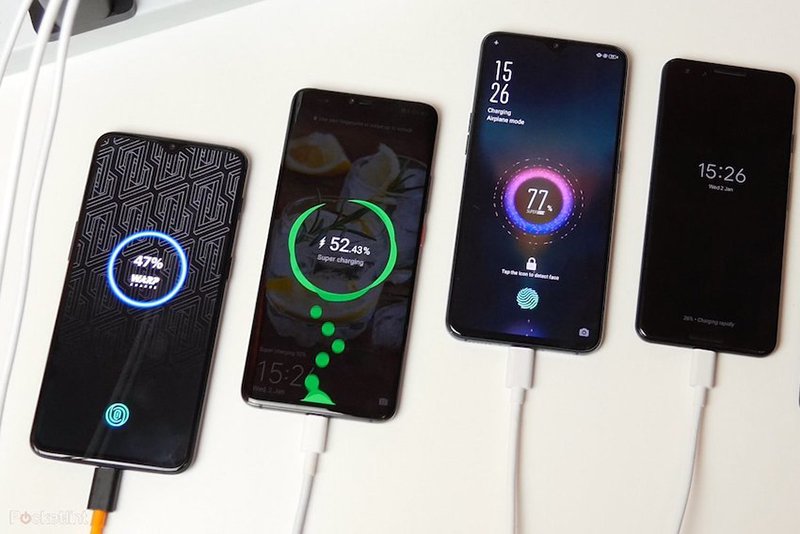
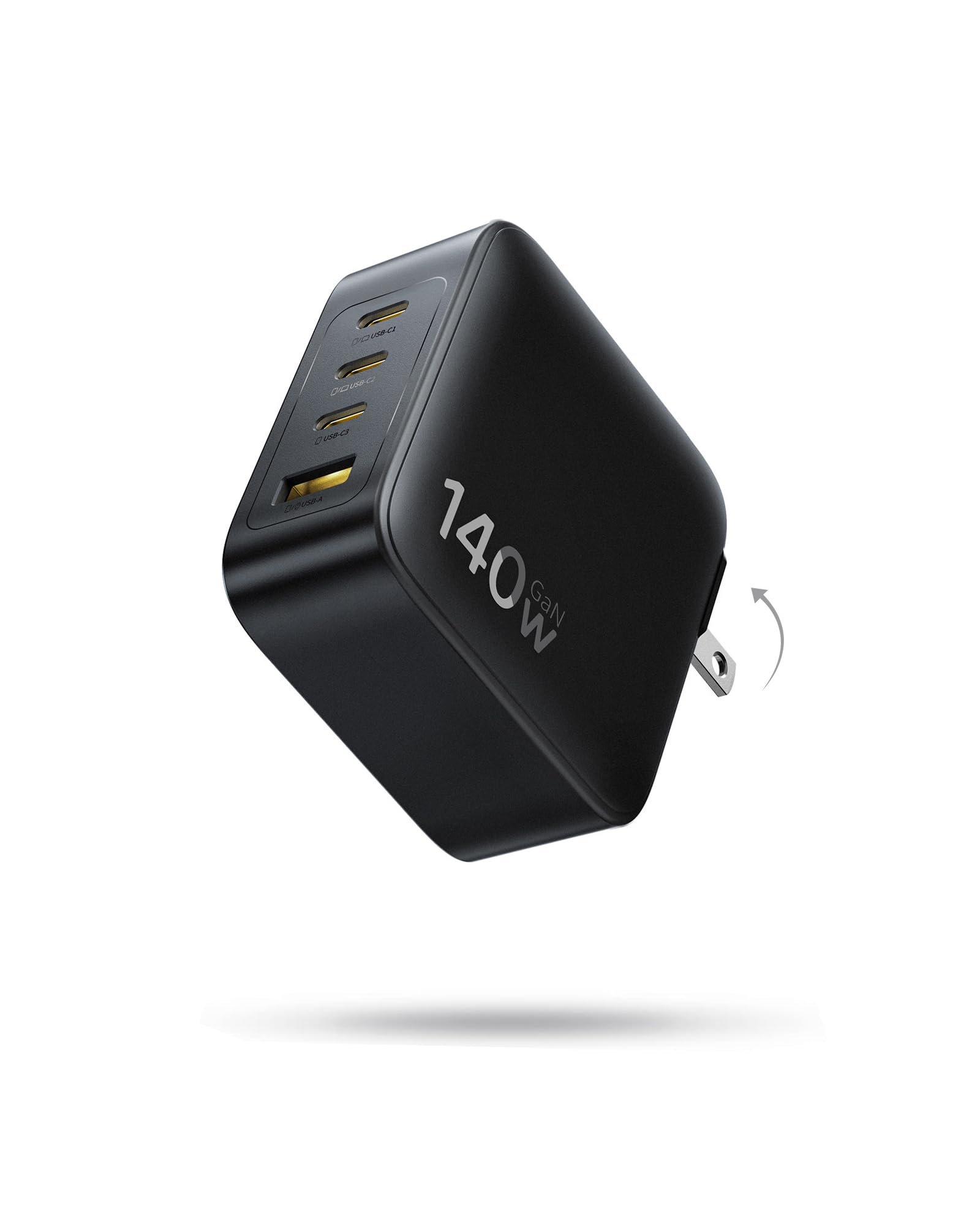
The rating on the box is a total, not a per-port figure. A 140W charger with four ports does not deliver 140W to each one; it divides that total according to its own design.
When one laptop is connected alone, it may take the full 140W. Add a phone and a tablet and the allocation shifts — commonly to something like 100W for the laptop and a shared remainder for the rest. The exact split is fixed by the charger's firmware, so the only reliable source is the port table on the label or in the manual.
With 100W, the same arithmetic bites sooner. A laptop taking 65W leaves 35W for everything else, which covers a phone and earbuds but not a second laptop.
More total wattage does not make each port faster. It keeps the main device from being starved when the others are connected.
5. Why a Smart Display Is Useful
A display on a charger sounds like a gimmick until you have tried to diagnose a slow charge.
Most chargers are silent. If a laptop charges slowly, a phone warms up, or a power bank barely moves, the cause has to be guessed: the cable, the port, the device's own limit, or the sharing between ports.
A small screen that shows live wattage per port turns that guess into a reading. Plugging the same laptop into two ports and comparing the numbers identifies a bad cable in seconds, and watching the total drop when a second device is added explains why the laptop slowed down.
It does not add power. It makes the power visible, which is a different thing and, for anyone managing several devices, often the more useful one.
Treat the readout as a diagnostic rather than a specification. Accuracy varies between models, so it is better for spotting changes than for measuring absolute values.
6. Why GaN Matters in a High Power Charger
A 140W charger would be a hard sell if it were the size of a laptop brick.
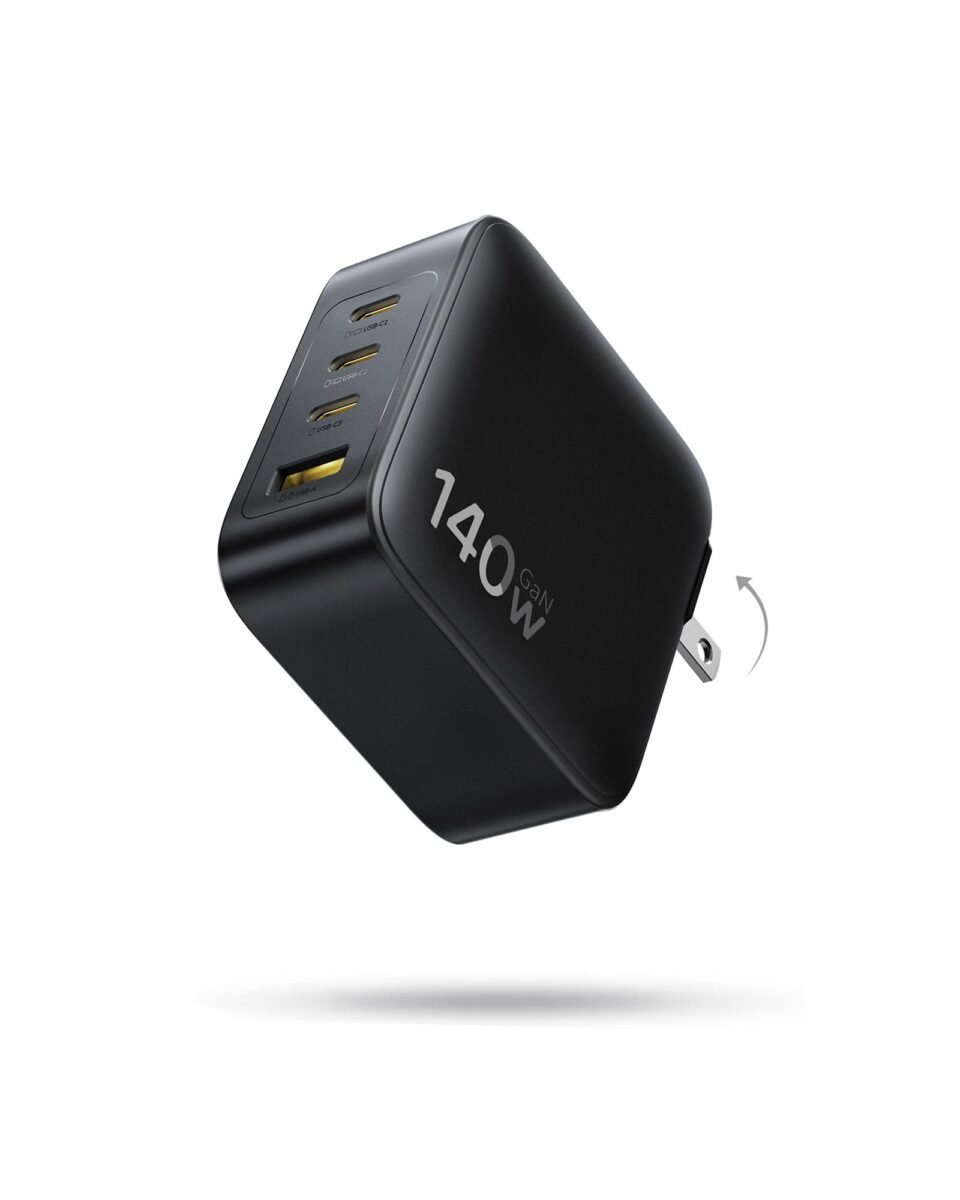
Gallium nitride is why it is not. Transistors made from GaN switch faster and run cooler than silicon equivalents at the same power, which allows smaller magnetics and tighter spacing inside the case.
In practice that means a 140W adapter that fits in a palm and weighs less than the laptop's original power supply, so it can replace that supply rather than be added to it.
The benefit is clearest in travel. One compact unit covering a laptop, a phone, and a tablet removes two or three adapters from the bag, and the saved volume usually matters more than the saved grams.
GaN is not a quality mark. Two units with the same rating can differ in efficiency, heat, and port behavior, and the material alone says nothing about which one is better built.
7. Which Charger Should You Choose?
Choose 100W if the setup is simple: one USB-C laptop, a phone, charging usually one at a time, and a laptop rated at 100W or below. It costs less, runs cooler, and travels lighter.
Choose 140W if the laptop is rated at 140W, if three or four devices are connected at once often enough that the split matters, or if replacing several adapters with one is the point.
8. Conclusion
The difference between a 100W charger and a 140W charger is not just 40W.
It is the difference between enough power for a simple setup and extra headroom for a more flexible one.
A 100W charger can be the right choice for many laptop and phone users. But when a laptop, tablet, phone, and accessories charge at the same time, or when one compact unit has to cover more situations, a 140W USB-C charger makes more sense.
9. FAQs
Is a 140W USB-C charger better than a 100W charger?
It is better when a higher-power laptop or several devices need to share one outlet. For a single laptop that tops out at 100W, it brings no speed advantage.
Do phones need a 140W charger?
No. Most phones draw well under that and will accept only the power they are designed for. A 140W charger is useful for laptops, tablets, and multi-device setups.
What is a 140W GaN charger?
A charger built with gallium nitride transistors, which switch faster and run cooler than silicon at the same power. The material allows a 140W unit to be smaller and lighter than an equivalent silicon design.
Is a USB-C laptop charger safe for phones?
Yes. Power Delivery is negotiated, not forced: the device requests a voltage and current pair, and the charger supplies that pair. A laptop charger connected to a phone behaves like a phone charger.
Why choose a 4-port fast charger?
It charges several devices from one outlet, which keeps a desk tidy and removes adapters from a travel bag. The trade-off is that the total is shared, so the per-port figure is lower when everything is connected.
What does a charger with a smart display show?
Usually live wattage per port, sometimes voltage, current, and temperature. The practical value is diagnosis: it shows whether a slow charge comes from the cable, the port, or the sharing between ports.